National Dish Philippines: Adobo (Recipe)
In this article
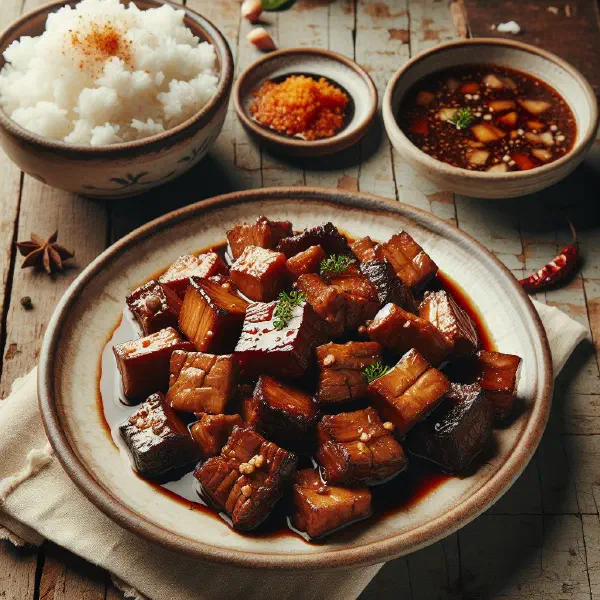
Adobo is meat cooked in vinegar and soy sauce with garlic, bay and pepper, and it is less a recipe than a preservation method. Vinegar keeps meat in a tropical climate, and the Spanish name was applied to a technique that predated them.
About Adobo
Every Filipino household makes adobo differently and considers its own version correct. Some add coconut milk, some sugar, some cook it dry until the meat fries in its own fat. The constants are vinegar, garlic and bay.
The one technical rule most cooks agree on: do not stir the vinegar while it comes to the boil, or the dish keeps a raw acidic edge.
Ingredients (serves 1–2)
- 450 g pork, cut into pieces or slices about 1 cm thick (chicken works just as well)
- 3 tablespoons cooking oil (vegetable oil or olive oil)
- 2–3 tablespoons soy sauce (to taste)
- 3–4 cloves garlic, chopped
- 1 small onion, chopped (optional)
- ½ teaspoon salt (adjust as needed)
- ¼ teaspoon freshly ground pepper (or peppercorns)
- 3 tablespoons vinegar (white vinegar, cider vinegar or coconut vinegar)
- 2 bay leaves (optional, but very popular)
- A little brown sugar or honey to season (optional)
Shopping for the ingredients
Cane vinegar or coconut vinegar are the Filipino ones and are milder than white vinegar. Pork belly gives the best result because of the fat. Whole peppercorns rather than ground, cracked slightly, is the traditional form.
Preparing the dish
Marinate the meat in the soy, vinegar, garlic and bay for an hour or overnight if you have time. Then cook it in that marinade. The recipe below browns first, which is the other common approach.
Step-by-step instructions
- Heat the oil in a pan over medium heat.
- Add the meat and brown it all over until lightly coloured.
- Add the garlic (and the onions, if using) and cook briefly until the garlic is fragrant.
- Stir in the soy sauce, salt, pepper and bay leaves and mix briefly.
- Pour in the vinegar and let it come to a brief boil without stirring, which allows the vinegary aroma to mellow.
- Lower the heat, cover with a lid and let the adobo simmer for about 20–30 minutes until the meat is tender.
- Uncover and reduce the sauce until it coats the meat.
- For a gently sweet note, stir in a pinch of sugar or a little honey right at the end.
Gluten-free / lactose-free version
Adobo contains no dairy. Soy sauce contains wheat; use tamari or coconut aminos for a gluten-free version and the dish is otherwise unaffected.
Tips for vegans and vegetarians
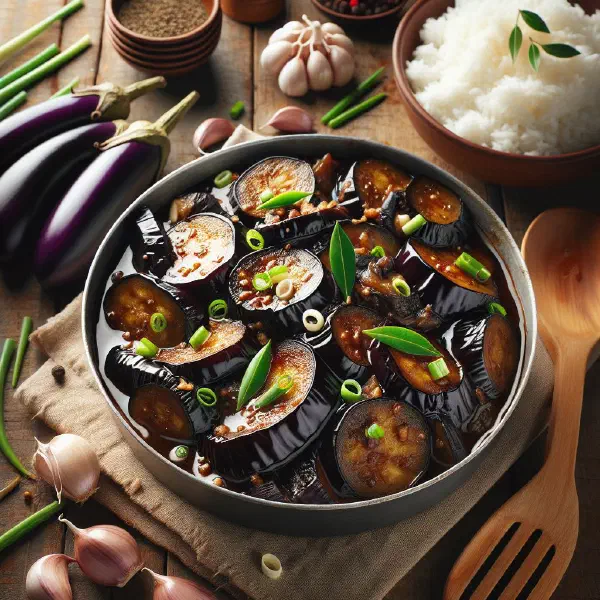
Adobong kangkong, water spinach cooked the same way, is a genuine Filipino dish and entirely vegan. Tofu, mushrooms and aubergine all take the adobo treatment well. The vinegar and garlic do the work.
More tips and tricks
Do not stir when the vinegar first boils. Let it bubble for a minute or two untouched, which cooks off the harshness. Reduce the sauce properly at the end rather than serving it thin. And make it a day ahead: adobo genuinely improves, which is what it was designed to do.
Adapting the recipe to your taste
Coconut milk added at the end makes adobo sa gata. Chicken and pork together is common. Cooking it until the liquid goes and the meat fries in its own fat is the dry version and is worth trying.
Ingredient substitutions
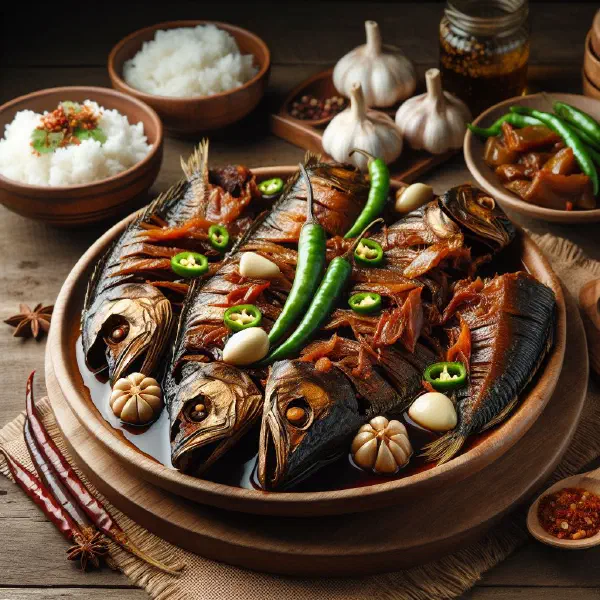
Chicken thighs, pork belly, squid or vegetables all work. Cane, coconut or cider vinegar. Coconut aminos replace soy for a gluten-free and lower-salt version.
Drink pairing ideas
San Miguel lager, which is the answer to most Filipino food questions. Calamansi juice. Plain rice and water otherwise.
Serving and presentation ideas
Serve it over white rice with plenty of the reduced sauce spooned over. Rice is not optional; adobo is intensely seasoned and needs it. Eaten with a spoon and fork, which is the Filipino way.
A bit of history
Filipinos were cooking meat in vinegar long before the Spanish arrived and named the method after their own adobar. That the Spanish word stuck to an indigenous technique says something about colonial record-keeping. Adobo anchors Filipino cuisine and travels with the diaspora everywhere.
More recipe ideas
Summary: Adobo
Adobo is meat simmered in vinegar, soy sauce, garlic and bay until tender and the sauce reduces. Do not stir when the vinegar boils, reduce it properly, and make it the day before.