National Dish Philippines: Adobong Talong (Recipe)
In this article
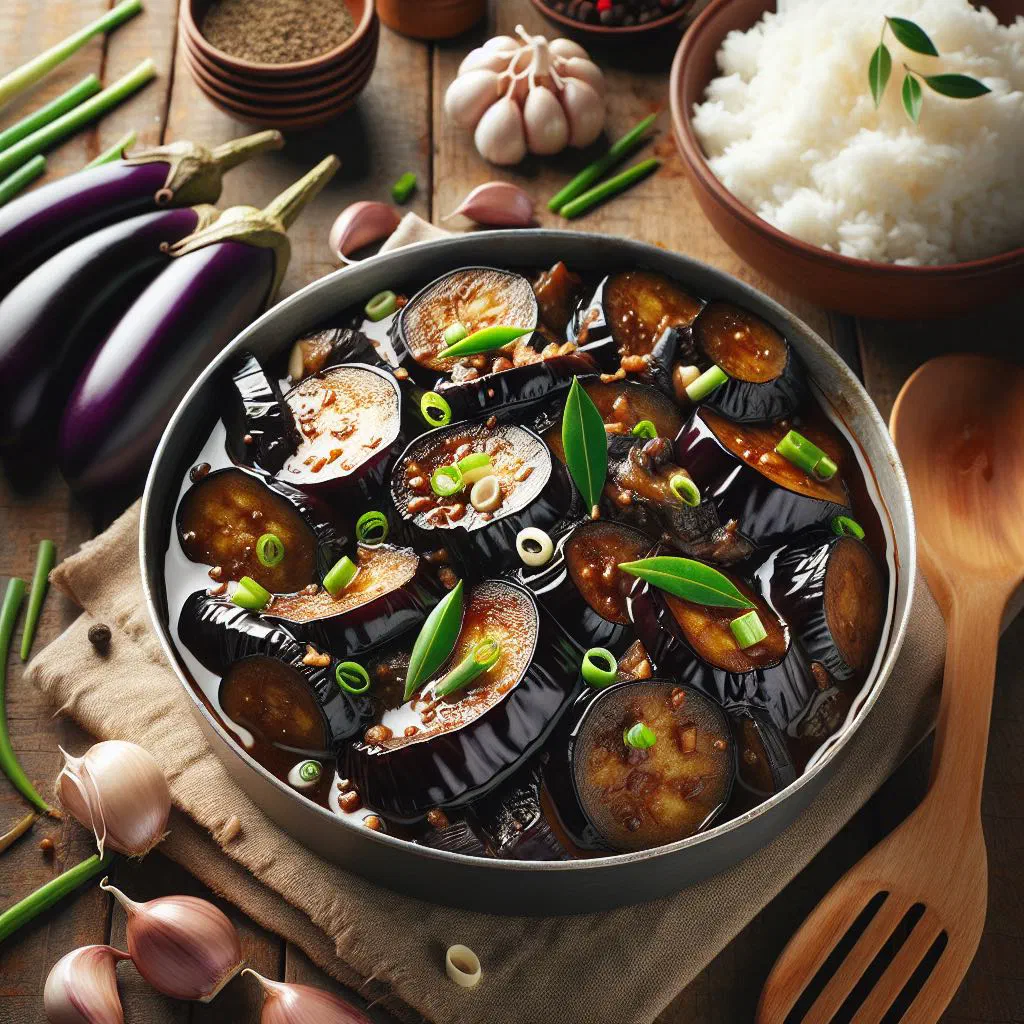
Discover Adobong Talong, a savoury Filipino classic that turns the humble aubergine into something special. Tender aubergine is simmered in the islands’ beloved adobo marinade, a punchy blend of soy sauce, vinegar and aromatic spices, until it soaks up every bit of flavour. It is comfort food at its most adaptable, equally at home as a hearty main or a generous side, and it brings a genuine taste of the tropics straight to your kitchen.
About Adobong Talong
Adobong Talong is a richly seasoned aubergine dish combined in a very particular way with the traditional Filipino adobo marinade. The fragrant mixture of soy sauce, vinegar and a generous handful of spices gives the dish a singular flavour that appeals to the palate while telling a story too. It is more than just a culinary speciality: it reflects the diverse culture of the Philippines, which shines through so vividly in the country’s cooking. Adobong Talong is sure to win everyone over.
Ingredients (serves 1–2)
- 2 medium aubergines
- 2 tablespoons soy sauce
- 2 tablespoons vinegar (rice or cider vinegar)
- 1 clove garlic, finely chopped
- 1 onion, diced
- 1 teaspoon black pepper
- 1 teaspoon vegetable oil
- A few bay leaves
- Water, as needed
Shopping for the ingredients
To make delicious Adobong Talong, it is worth seeking out fresh, good-quality ingredients. Look for firm, glossy aubergines with no brown blemishes. When buying the soy sauce and vinegar, choose products without added preservatives to get the very best flavour. Asian grocery shops in particular stock a wide range of ingredients well suited to this dish.
Preparing the dish
Start by washing the aubergines and cutting them lengthways into halves. This allows them to cook evenly and helps the marinade soak right in. It is also worth chopping the garlic and dicing the onion in advance, so you can get cooking quickly once you begin.
Step-by-step instructions
- Heat the oil in a pan and sauté the chopped onion and garlic until fragrant.
- Add the aubergine halves and fry until lightly browned.
- Pour the soy sauce and vinegar over the aubergines, then add the bay leaves and black pepper.
- Add enough water to almost cover the aubergines, cover the pan and let everything simmer for about 15 minutes.
- Once cooked, stir the aubergines well and adjust the seasoning to taste if needed.
Gluten-free / lactose-free version
Adobong Talong is naturally a gluten-free and lactose-free dish, as long as you use a gluten-free soy sauce. When choosing your ingredients, it is important to check every component to make sure it suits your dietary needs. Instead of regular soy sauce you can use tamari, which delivers a similar flavour while remaining safe for those with a gluten intolerance. That way, even people with particular dietary requirements can enjoy this delicious dish.
Tips for vegans and vegetarians
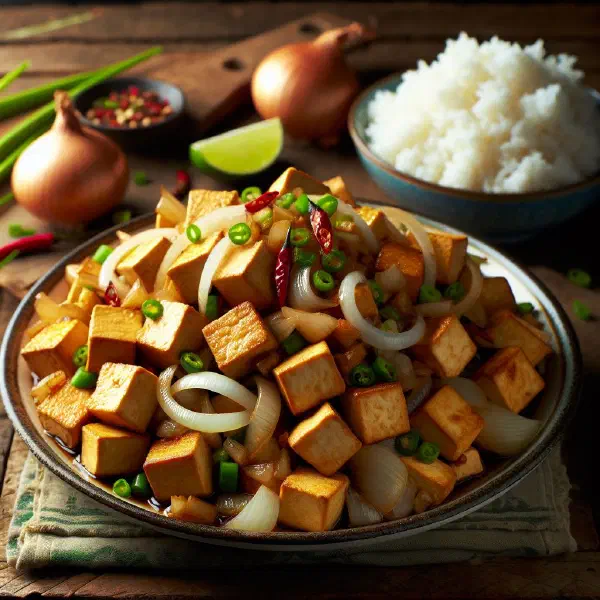
For vegans and vegetarians, Adobong Talong is an excellent choice, as it contains no animal products at all. You can swap in a low-sodium soy sauce to cut back on salt. Adding aromatic herbs can also intensify the flavours and lift the dish further. Another tip is to stir in extra vegetables or some tofu to make it even more substantial, much as you would for a hearty Tofu Sisig.
More tips and tricks
Tip: to deepen the flavour of Adobong Talong even further, leave the dish to marinate overnight in the fridge. This gives the aubergines time to absorb the soy sauce and vinegar more fully. Another trick is to salt the aubergines before frying to draw out excess moisture and make them crisper as they cook. Experiment with different spices to tailor the dish to your own taste.
Adapting the recipe to your taste
The recipe for Adobong Talong is wonderfully adaptable. If you like it spicier, add chopped chillies or a dab of chilli paste. For a smoky aroma, reach for smoked paprika or grill the aubergines before you start. Alternatively, use a mix of different vegetables to create a colourful, healthy take on this traditional dish, the same spirit of variety you’ll find in Ensaladang Talong. Your creativity in the kitchen is the key here.
Ingredient substitutions
If you don’t have aubergines to hand, there are a few alternatives worth trying. Courgette or green peppers can stand in for aubergines and make an equally delicious base for the dish. In some regions, sweet potato or squash can be an interesting option too. Just remember to adjust the cooking times accordingly to get the best texture.
Drink pairing ideas
A variety of drinks pairs beautifully with Adobong Talong, rounding off its flavours in harmony. A cold, refreshing Asian beer is a great choice, as it balances the dish’s intense flavours. Alternatively, you could mix up a lemonade-style cocktail with citrus and mint for a fruity freshness. For an alcohol-free option, a full-bodied iced tea also works wonderfully well.
Serving and presentation ideas
The way you present your Adobong Talong can greatly heighten the pleasure and the appetite it inspires. Serve the dish in an attractive bowl or on a rustic wooden board for an authentic look. Garnish with fresh coriander leaves or spring onions to create a colourful contrast. Bright accompaniments such as steamed vegetables or rice can also boost the visual appeal of your plate.
A bit of history
The roots of adobo reach deep into Philippine history and reflect the country’s multicultural influences. Historically, the use of vinegar and soy sauce helped preserve meat, and over time these methods were applied to vegetables such as aubergine too. Adobong Talong is a modern interpretation of the classic adobo, showing how traditional recipes can adapt to changing tastes and local ingredients. Every preparation, then, offers a small glimpse into the culture and history of Philippine cuisine.
More recipe ideas
Summary: Adobong Talong
Adobong Talong is a delicious dish and a wonderful window into Filipino food culture. The combination of zesty flavours and the tender texture of the aubergines makes it a real treat, serving brilliantly as both a main course and a side. With its adaptable ingredients and flexible methods, anyone can bring their own little piece of the Philippines to the table. Give it a try and enjoy the flavours of the tropics.