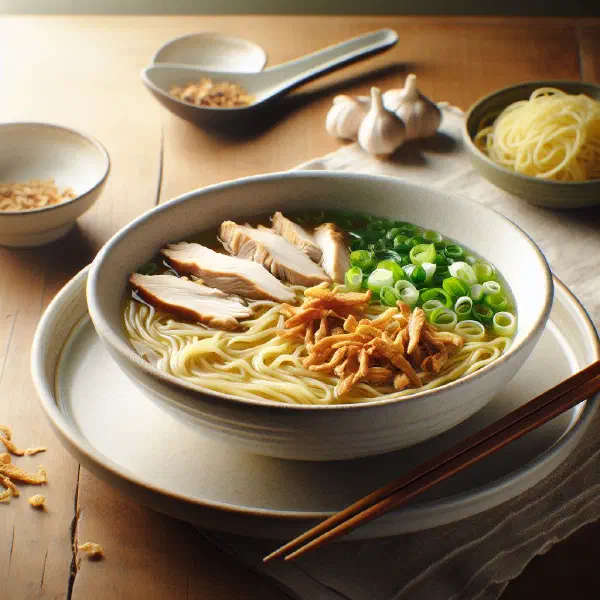
National Dish Philippines: Arroz Caldo (Recipe)

In this article
Discover Arroz Caldo, a soul-warming rice porridge that sits close to the heart of the Philippines. This gentle, soupy bowl simmers chicken, ginger and garlic into rice until everything turns thick and comforting. Finished with a splash of fish sauce, a squeeze of citrus and a scattering of fresh coriander, it is the dish Filipino families reach for on rainy days and whenever someone needs a little looking after. Bring its cosy, fragrant steam straight to your own kitchen.
About Arroz Caldo
Arroz Caldo is a traditional dish from the Philippines built around rice and chicken, simmered together with a richly flavoured broth. It is essentially a savoury rice porridge, almost always enjoyed piping hot, and is ideal for warming you through on cool days. The seasoning and the comforting flavour are utterly characteristic of Philippine cuisine and make this a genuine treat. It is often regarded as a home remedy for colds, which only adds to its popularity in the colder months.
Ingredients (serves 1–2)
- 100 g short-grain rice
- 300 ml chicken stock
- 100 g chicken breast, cut into pieces
- 1 onion, diced
- 2 cloves garlic, chopped
- 1 piece ginger, grated
- 2 tablespoons fish sauce
- 1 teaspoon pepper
- Fresh coriander, to garnish
- A squeeze of lemon juice
Shopping for the ingredients
When shopping for arroz caldo, it is worth choosing fresh, good-quality produce. The short-grain rice should be as sticky as possible so the dish reaches the right creamy consistency. For the broth, ready-made or homemade chicken stock both work well and deepen the flavour. Everything else is easy to find in a good Asian grocery or your local supermarket.
Preparing the dish
Getting arroz caldo ready is straightforward and quick. Start by washing and prepping all the ingredients so you lose no time once the cooking begins. Rinse the rice thoroughly to wash away excess starch, which gives a better texture in the finished bowl. Cut the chicken, onion, garlic and ginger evenly so everything cooks at the same pace.
Step-by-step instructions
- Heat a pot over medium heat and add a little oil.
- Add the onion, garlic and grated ginger and fry for 2–3 minutes.
- Add the chicken and cook until lightly golden.
- Stir in the rinsed rice and toast it briefly.
- Pour in the chicken stock, bring to the boil, then reduce the heat.
- Let it simmer gently for 30 minutes, until the rice is soft and the broth turns creamy.
- Add the fish sauce and pepper, then taste and adjust the seasoning.
- Serve hot, garnished with fresh coriander and a squeeze of lemon juice.
Gluten-free / lactose-free version
Making Arroz Caldo both gluten-free and lactose-free is simple. Swap the fish sauce for a gluten-free soy sauce, and be sure to use a gluten-free chicken stock or make your own. For a lactose-free bowl you need nothing more than fresh ingredients, as the recipe contains no dairy to begin with.
Tips for vegans and vegetarians
This dish also works beautifully in a vegan or vegetarian version: simply replace the chicken with tofu or seitan. Use vegetable stock in place of chicken stock to keep that hearty, filling character. Vegetables such as carrots, broccoli or peppers make delicious additions, too. Done this way, the porridge stays rich and full of flavour without any animal products.
More tips and tricks
A few tricks make arroz caldo even tastier. Reach for fresh spices and herbs to build a deeper, livelier flavour. Toasting the rice before you add the broth lends the dish a pleasantly nutty note. You can also vary the cooking time depending on how creamy you like it, a shorter simmer keeps the porridge looser and more soup-like, much as in a classic Lugaw.
Adapting the recipe to your taste
The recipe leaves plenty of room to suit your own preferences. Turn up the heat by adding chilli or seasoning the broth with a spicier sauce, or hold back on the spices for a milder bowl. Play with the consistency of the porridge as well, some like it loose and creamy, while others prefer a thicker, more substantial texture.
Ingredient substitutions
If a few ingredients are hard to find, there are plenty of alternatives for arroz caldo. White beans can stand in for the chicken to create a filling, protein-rich meal. Instead of fish sauce, a mix of soy sauce and lime juice delivers a similar umami depth, the same savoury backbone you find in a hearty Tinola. See which regional swaps you enjoy most.
Drink pairing ideas
Many drinks pair nicely with arroz caldo and round out its flavours beautifully. A cool, light beer is a popular choice, balancing the warmth and savour of the broth. Fresh coconut water or a traditional Filipino Gulaman at Sago, a sweet drink made with agar jelly, are refreshing alternatives. For an alcohol-free option, try lemon or lime juice topped up with sparkling water.
Serving and presentation ideas
Presentation can lift the whole arroz caldo experience. Serve it in deep, colourful bowls that show off the warm tones of the ingredients. Garnished with fresh herbs and a bright twist of lemon zest, the dish looks instantly more appetising. A topping of crisp fried garlic or fried shallots adds welcome texture and visual appeal.
A bit of history
Arroz Caldo has its roots in the Spanish colonial era and is deeply woven into Filipino food culture. It is thought to descend from the Spanish caldo, a broth that appears in many guises in Spanish cooking. By combining local ingredients and flavours, it quickly became a staple across the Philippines. Today it is served around the family table and in restaurants and at fiestas, where it celebrates the heart of Philippine cuisine.
More recipe ideas
Summary: Arroz Caldo
In short, Arroz Caldo offers a delicious and versatile way to get to know the flavours of the Philippines. Its easy preparation and room for adaptation make it an ideal dish for any occasion. Whether as a warming meal on a cold day or as part of a festive spread, this bowl is always a hit. Let its hearty broth and fresh ingredients win you over, and enjoy a taste of Filipino tradition in your own home.