National Dish Philippines: Balbacua (Recipe)
In this article
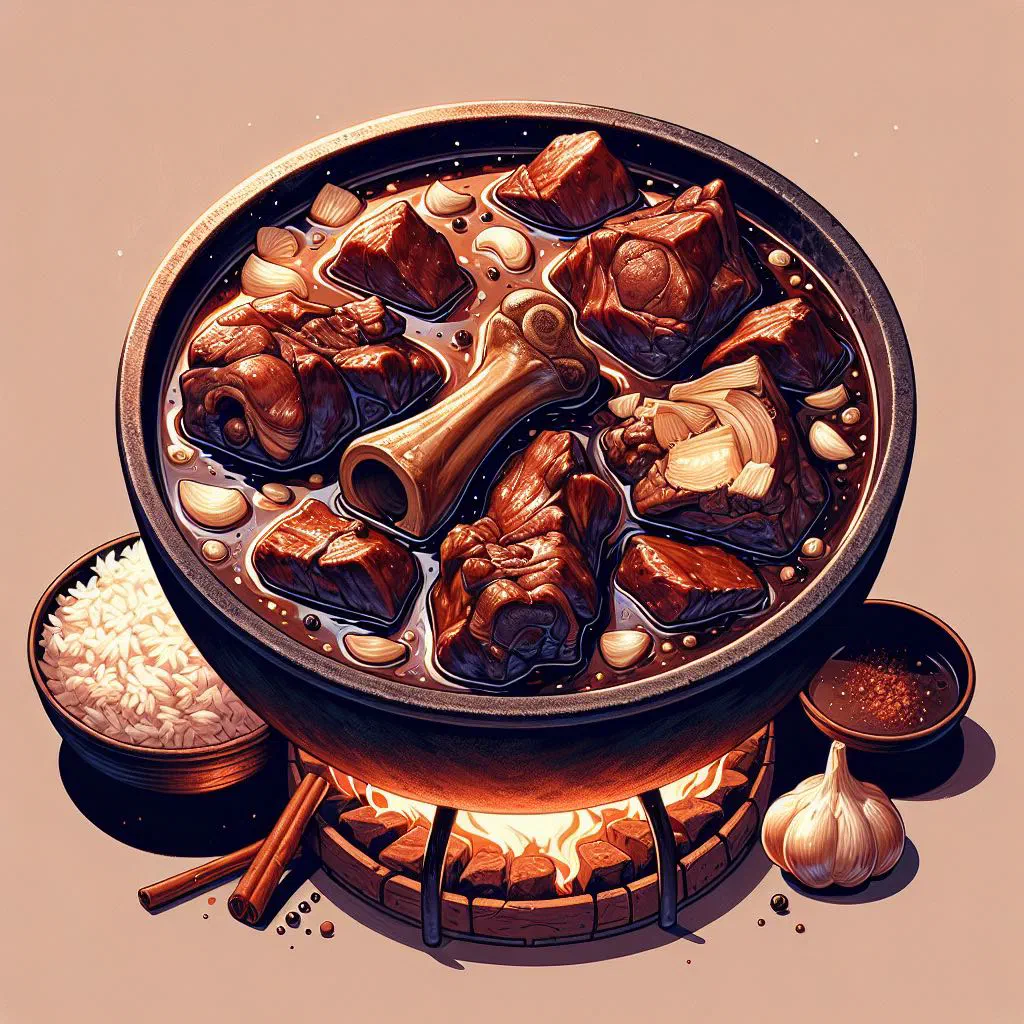
Discover Balbacua, one of the Philippines’ most comforting bowls of soul food. This hearty beef soup pairs meltingly tender meat with a deep, aromatic broth that has simmered for hours. Rich with garlic, ginger and bay, it is the kind of dish made for cold evenings and lively gatherings alike. A little patience is all it takes to bring the warmth of Filipino home cooking straight to your own table.
About Balbacua
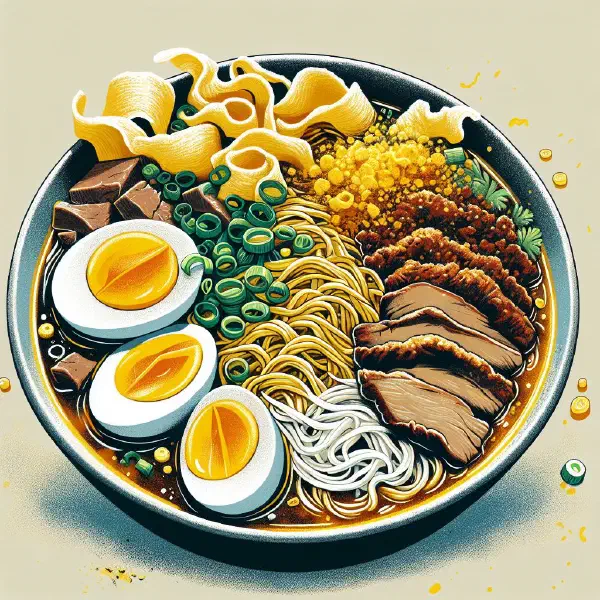
Balbacua is a traditional Filipino dish best known for its hearty beef soup. It is built around slow-cooked beef and a generous mix of aromatic spices that give the dish its unmistakable flavour. The broth is thick and richly satisfying, ideal for enjoying on chilly evenings or serving when friends and family come together. Preparing balbacua takes patience, but the result is well worth every minute of effort.
Ingredients (serves 1–2)
- 500 g beef (such as shin or shoulder)
- 1 onion, roughly chopped
- 3–4 cloves garlic, crushed
- 1 piece of ginger, sliced
- 2–3 bay leaves
- 1 teaspoon peppercorns
- Salt to taste
- Water (about 2 litres)
- 2–3 tablespoons soy sauce
- Spring onions, to garnish
Shopping for the ingredients
When shopping for the ingredients for balbacua, it is important to choose fresh, good-quality beef. Visit your local butcher or a farmers’ market to find the best prices and the freshest selection. Spices such as bay leaves and peppercorns are easy to find in any well-stocked supermarket. Be sure to pick a good soy sauce and fresh vegetables to bring out the very best in the dish.
Preparing the dish
Preparing balbacua involves a few steps to make sure the flavours meld together beautifully. Start by cutting the beef into large pieces so it cooks evenly throughout. Chop the onion and crush the garlic cloves, then slice the ginger. These aromatics will later lend their flavour to the broth, so they should be as fresh as possible.
Step-by-step instructions
- Place the beef in a large pot with cold water and bring to the boil.
- Add the onion, garlic and ginger to flavour the broth.
- Stir in the bay leaves and peppercorns, then season with salt.
- Let the meat simmer gently over low heat for about 2–3 hours, until tender.
- Add the soy sauce and stir well to bring the flavours together.
- Scatter the spring onions over the top just before serving.
Gluten-free / lactose-free version
Making balbacua gluten-free and lactose-free is wonderfully simple, as the main ingredients are naturally free of both. Just make sure the soy sauce you use is gluten-free, especially if you have a gluten intolerance, tamari is an excellent swap and is widely available in supermarkets. With no dairy involved at all, balbacua is an ideal choice for anyone following a gluten-free or lactose-free diet.
Tips for vegans and vegetarians
Vegans and vegetarians can easily adapt balbacua into a plant-based version. In place of beef, use a combination of mushrooms, tofu or seitan for a similar hearty texture. Swap the water for a good vegetable stock to create a richer base for the soup. Experiment with different herbs and spices to deepen the flavour and add your own personal touch.
More tips and tricks
A few simple tips and tricks will help you make the perfect balbacua. Taste the broth regularly and adjust the seasoning to suit your palate. Letting the dish rest for a few hours, or even overnight, allows the flavours to develop and intensify. Serve the soup with freshly cooked rice or a side of Pancit Bihon to round off the meal.
Adapting the recipe to your taste
The beauty of balbacua lies in how easily it adapts to personal preference. Add extra vegetables such as carrots or potatoes to make the dish even more filling and nutritious. You can also vary the amount of spices to dial the heat or the depth of flavour up or down. Be creative and add the ingredients you love most, much like the hearty, bone-rich broth of Bulalo.
Ingredient substitutions
If you do not have certain ingredients to hand, there are plenty of alternatives to fall back on. Instead of beef you might use chicken or fish for a lighter option, in the spirit of a comforting Nilaga. For the broth, swap in vegetable stock, or experiment without soy sauce to create a different note of flavour. Do not be afraid to get creative and try out new combinations.
Drink pairing ideas
A range of drinks pairs nicely with balbacua, complementing its hearty aroma and spices. A cold Filipino San Miguel beer is an excellent choice, balancing the richness of the soup. Alternatively, fresh fruity juices or a classic Arnold Palmer (iced tea and lemonade) make a refreshing contrast to the savoury dish. Each brings a welcome lift to the meal.
Serving and presentation ideas
Presentation can lift the whole balbacua experience considerably. Serve the soup in large, deep bowls that hold the steam and aromas well. Garnish with freshly chopped spring onions or even a little coriander to add a splash of colour. Arranging a side of rice or noodles alongside looks inviting and makes a delicious accompaniment to the soup.
A bit of history
Balbacua has a history rooted deep in Filipino culture, with influences traced back to the Spanish colonial era. It was developed to bring together the various flavours and ingredients of the region into one nourishing meal. Today it is enjoyed in home kitchens and in restaurants and at festive occasions, a fine example of Philippine cuisine and its love of slow-cooked comfort food.
More recipe ideas
Summary: Balbacua
In summary, balbacua is a truly distinctive dish that reflects the flavours and traditions of the Philippines. The combination of tender beef, aromatic spices and a rich, full-bodied broth makes it a genuine delicacy. Whether for a sociable gathering or a hearty evening meal, balbacua brings Filipino cooking straight to your table. Give it a try and savour the wonderful array of flavours this dish has to offer.