National Dish Philippines: Bibingka (Recipe)
In this article
Discover Bibingka, the festive treat that fills Filipino kitchens with the warm scent of coconut every Christmas season. This soft, gently baked rice cake balances mellow sweetness with the rich aroma of coconut milk, and is traditionally cooked in little clay pots lined with banana leaves. Bibingka brings a taste of the Philippines straight to your table.
About Bibingka
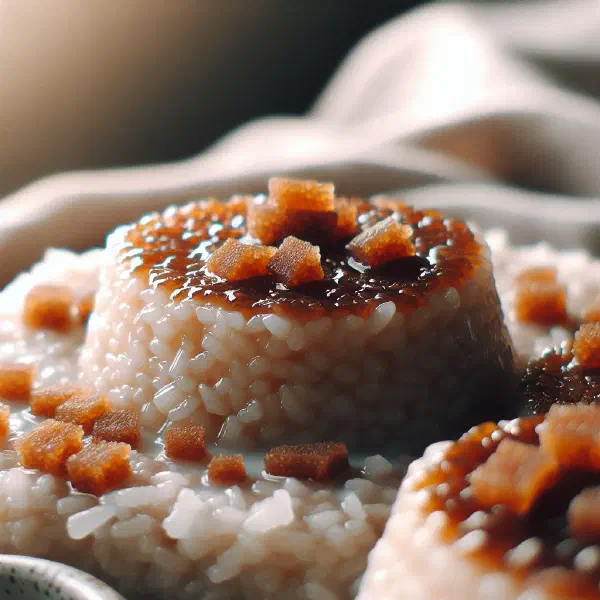
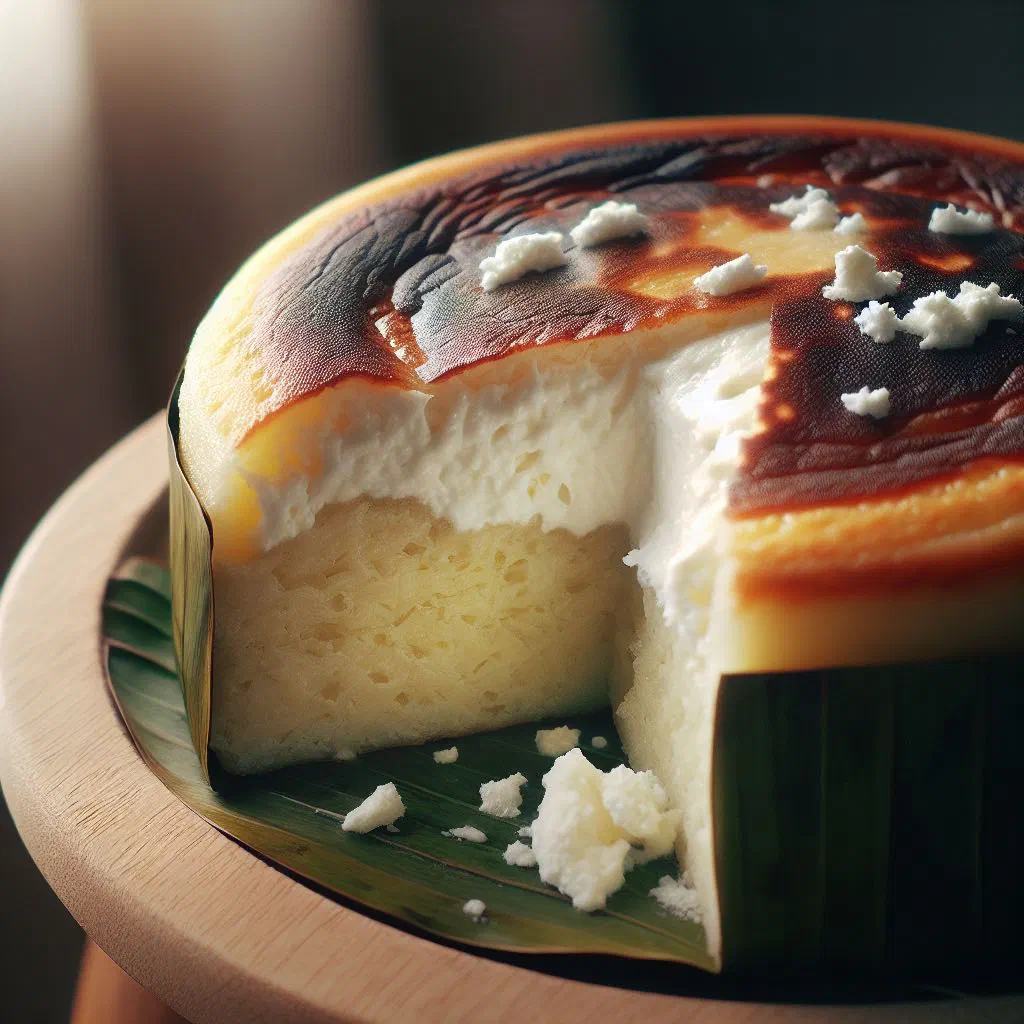
Bibingka is a traditional Filipino dish that is especially popular during the festive Christmas season. It is a soft, gently baked rice cake, often served with a variety of toppings. The main ingredients are rice flour, coconut milk and sugar, which give it a wonderfully distinctive flavour. Bibingka is usually baked in small clay pots or special moulds, and it is this method that lends the cake its characteristic shape and tender texture.
Ingredients (serves 1–2)
- 1 cup rice flour
- 1/2 cup sugar
- 1 cup coconut milk
- 1/2 teaspoon baking powder
- 2 whole eggs
- A few banana leaves, to line the moulds
- Optional: grated coconut, cheese or salted eggs as a topping
Shopping for the ingredients
The ingredients for Bibingka are easy to find in most Asian grocery shops or online. Be sure to choose fresh coconut milk, as it gives the best flavour. Rice flour can occasionally be tricky to track down, but wholegrain rice flour or a gluten-free flour blend can work as a substitute to achieve a similar result. The special baking tins or clay pots traditionally used for Bibingka are also widely available in many Asian shops.
Preparing the dish
Start by rinsing the banana leaves and warming them gently to make them pliable. This makes it much easier to lift the cake out of the mould later on. Get all your ingredients ready and measured out as well, so the whole process runs smoothly and the baking does not take too long, which helps preserve that lovely soft texture.
Step-by-step instructions
- Preheat the oven to 180°C.
- Lightly grease the banana leaves and lay them into the clay pots.
- In a bowl, combine the rice flour, sugar and baking powder.
- Add the coconut milk and eggs, then stir until you have a smooth, even batter.
- Pour the mixture into the prepared clay pots and bake for 20–25 minutes.
- Check the consistency; the cake should be set but not dry.
- Serve the Bibingka warm, with grated coconut or cheese if you like.
Gluten-free / lactose-free version
For a gluten-free version of Bibingka, you can use rice flour or almond flour. Take care to ensure the other ingredients, such as the coconut milk, are gluten-free too. There are also naturally lactose-free options, since rich coconut cream stands in beautifully for ordinary dairy products. With these simple adjustments, people following special diets can enjoy delicious Bibingka just as much as everyone else.
Tips for vegans and vegetarians
A vegan Bibingka can be made by swapping the eggs for apple sauce or mashed banana. These ingredients help you reach a similar consistency without using any animal products. Be sure to check that all the other ingredients, including the coconut milk, are vegan too. That way, vegans can also tuck into this traditional treat without missing out.
More tips and tricks
One important tip is to keep a close eye on the baking time, as every oven heats a little differently. Another handy trick is to lightly oil the clay pots before baking so the Bibingka lifts out easily. For the best result, take care not to cover the cake too heavily with banana leaves, as this can trap the steam and stop it baking evenly. The reward is a light, moist cake that everyone will love.
Adapting the recipe to your taste
The Bibingka recipe is easy to tailor to your own taste by experimenting with different toppings. Add dried fruit such as raisins or pieces of mango for a fruitier note, or scatter over nuts like cashews or almonds to give the cake a pleasant crunch. Play around with the toppings until you have created the perfect Bibingka for your palate. If you love coconut-rich Filipino sweets, you might also enjoy the creamy Maja Blanca.
Ingredient substitutions
If you do not have coconut milk to hand, you can use almond drink or oat milk instead. The rice flour can also be replaced with corn or potato flour, though this may affect the texture of the finished cake. For sweetness, honey or maple syrup make easy alternatives, depending on what you have available. Substitutions like these are simple to source and can add an extra layer of flavour to the dish, much like the tweaks that work so well in Cassava Cake.
Drink pairing ideas
A fresh cup of Filipino coffee or a cool glass of coconut water makes the perfect companion to Bibingka. If you want to create a festive atmosphere, you could also serve a Philippine beer, which works nicely with the sweet and salty flavours. For those who prefer to skip the alcohol, a fruity smoothie or a fresh lemonade is ideal. Drinks with fruity or nutty notes harmonise especially well with the flavours of the cake.
Serving and presentation ideas
To present Bibingka attractively, you can bring the clay pots straight to the table and decorate them with fresh banana leaves. You might also garnish the cake with grated coconut or colourful fruit for a lovely visual effect. Serve the Bibingka with a pretty teapot or coffee pot to create a cosy, welcoming atmosphere. Don’t forget to serve the dish right after baking, so everyone can enjoy its appealing aroma.
A bit of history
Bibingka has a long-standing tradition in Filipino culture and is often associated with various festivals and celebrations. It was originally prepared during Advent to symbolise the growing anticipation of Christmas. The use of banana leaves is a nod to the local flora and ties the dish to the roots of Philippine cuisine. These days, Bibingka is no longer just a Christmas treat. It is happily served all year round. It sits comfortably alongside other beloved sweets such as Leche Flan and the colourful Halo-Halo.
More recipe ideas
Summary: Bibingka
In short, Bibingka is an indispensable part of Filipino cuisine. With its simple ingredients and delicious flavour, it is a dish that can be enjoyed both on special occasions and as an everyday treat. The sheer range of ways to adapt it makes it easy to create a Bibingka that suits your personal taste exactly.