National Dish Philippines: Bibingkang Malagkit (Recipe)
In this article
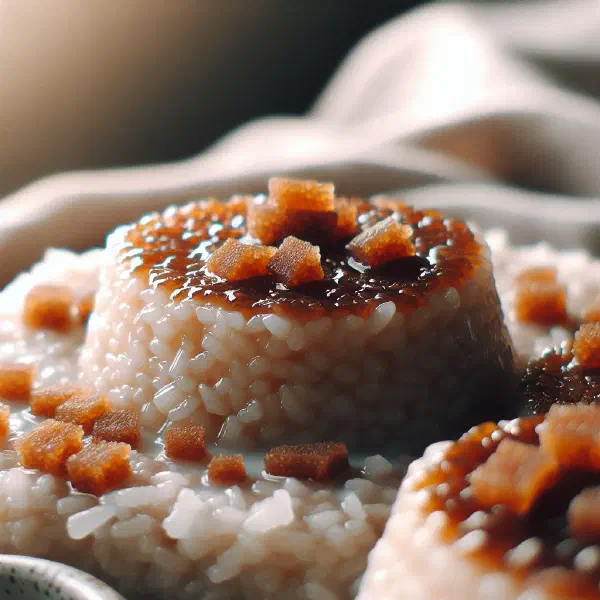
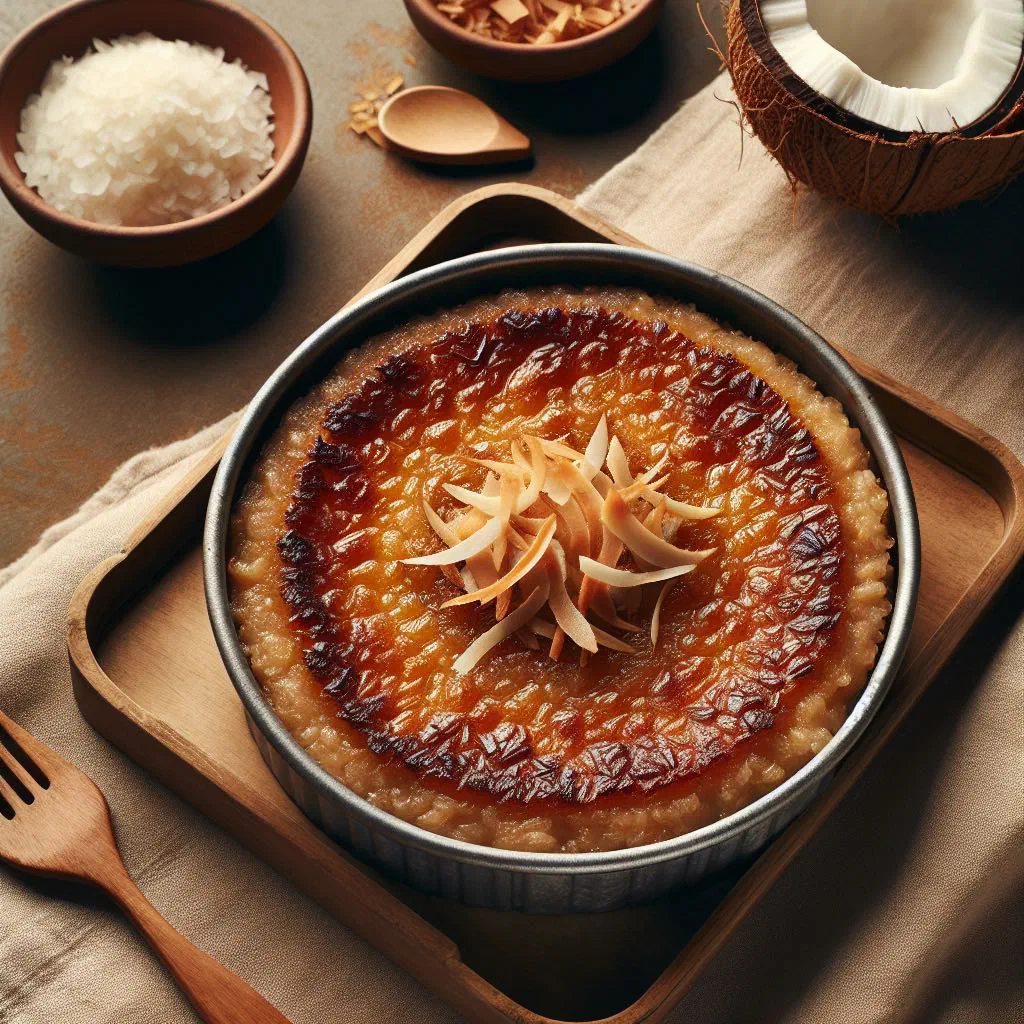
Meet Bibingkang Malagkit, a soft, sweet rice cake that sits right at the heart of Filipino celebrations. Made from glutinous rice simmered slowly in rich coconut milk, it carries a gentle sweetness and a satisfyingly chewy bite. Whether it is a fiesta, a family gathering or simply an afternoon treat, this comforting dessert offers a delicious taste of the islands and a glimpse into the warm traditions of Philippine cooking.
About Bibingkang Malagkit
Bibingkang Malagkit is a traditional Filipino dessert made from sticky rice and sweet coconut milk. Beloved at festive occasions and celebrations across the islands, it is prized for its soft, chewy texture and the mellow sweetness of coconut. The dish has its roots firmly in the Philippines, where it counts as an essential snack for locals and visitors alike. With its unmistakable flavour, Bibingkang Malagkit offers a satisfying treat and a window onto the rich traditions and culinary heritage of the country.
Ingredients (serves 1–2)
- 1 cup glutinous rice
- 1 cup coconut milk
- 1/2 cup sugar
- 1/4 teaspoon salt
- 3–4 banana leaves (optional)
Shopping for the ingredients
Before you begin making Bibingkang Malagkit, it is worth gathering all the ingredients you need. Glutinous rice, also known as sticky rice, is easy to find in Asian grocery shops. For the coconut milk you can choose fresh or tinned, depending on what is available and your own preference. Aim for good-quality ingredients throughout to get the very best out of this traditional dessert.
Preparing the dish
Preparing Bibingkang Malagkit starts with soaking the glutinous rice, which softens the grains and makes them easier to cook through. Let the rice soak for at least 3–4 hours or, ideally, overnight so it reaches the perfect consistency. This is a key step in guaranteeing a flawless result. Once soaked, rinse the rice thoroughly to wash away any excess starch.
Step-by-step instructions
- Tip the soaked, rinsed rice into a pan and stir in the coconut milk, sugar and salt.
- Bring the mixture to the boil, then lower the heat and simmer, stirring constantly, until it thickens.
- Line a suitable dish with banana leaves if using, and spoon in the rice mixture.
- Smooth over the surface, then steam until the dessert is firm (about 30–40 minutes).
- Once steamed, leave to cool, cut into squares and serve.
Gluten-free / lactose-free version
Bibingkang Malagkit is naturally gluten-free and lactose-free, as long as you take care not to add any gluten-containing extras. Avoid processed additives and make sure your coconut milk contains nothing that might introduce gluten or lactose. This makes the dessert ideal for anyone with particular dietary needs. You can enjoy this tasty dish with no worries about allergies, much like a slice of Maja Blanca.
Tips for vegans and vegetarians
Bibingkang Malagkit is a wonderful choice for vegans and vegetarians, since every ingredient is plant-based. To make the dessert a little healthier, you can swap the sugar for natural sweeteners such as agave syrup or coconut sugar. These alternatives deliver a similar sweetness along with some extra nutrients. Experiment with different versions to suit your own taste while keeping the dish entirely plant-based.
More tips and tricks
A few simple tips can help you perfect your Bibingkang Malagkit. Play with the texture by varying the cooking time or adding a touch more or less liquid. The dessert can also be garnished with toasted coconut or fresh fruit to add further flavour and contrast. It also helps to soak the banana leaves well, which makes them easier to handle and stops the rice from sticking.
Adapting the recipe to your taste
You can adjust the recipe for Bibingkang Malagkit entirely to your liking, for example by experimenting with different kinds of sweetener. Use coconut sugar for a deeper flavour, or add aromatics such as pandan for a distinctive note. Folding in toasted nuts or dried fruit can introduce an interesting variety of flavours too. Be creative and take inspiration from other related sweets, such as Biko or Suman.
Ingredient substitutions
If you are looking for alternatives to the traditional ingredients in Bibingkang Malagkit, there are plenty of options. Instead of the usual sticky rice you could use quinoa or another gluten-free grain, though the cooking time will change considerably. The coconut milk can be replaced with other plant-based milks, but this will affect both the flavour and the texture of the dessert. Consider adjusting the sweetness to taste for a more personal touch.
Drink pairing ideas
Plenty of drinks make a lovely companion to Bibingkang Malagkit. A classic Filipino choice such as Sago’t Gulaman, a sweet jelly-and-tapioca drink, pairs beautifully with it. Alternatively, serve a fresh coconut drink or a homemade mango juice to play up the tropical character of the dish. A lightly sweetened herbal tea also offers a refreshing accompaniment that rounds off the meal.
Serving and presentation ideas
Presentation plays an important part when serving Bibingkang Malagkit. Arrange the dessert on a decorative plate and garnish it with fresh fruit or a sprinkle of toasted coconut. An attractive presentation can lift the whole experience and turn the dish into the highlight of any table. Think too about colourful sides or edible flowers to enhance the overall look and give your guests a memorable treat.
A bit of history
Bibingkang Malagkit carries deep cultural meaning in Filipino society. It was traditionally prepared for special occasions such as fiestas and religious celebrations. The combination of ingredients reflects the country’s varied agriculture and culinary traditions, in particular the use of rice and coconut. This dessert is more than just a treat; it is part of the heritage and identity of the Filipino people, and a fine example of Philippine cuisine that deserves to be enjoyed in kitchens around the world.
More recipe ideas
Summary: Bibingkang Malagkit
In short, Bibingkang Malagkit is a delicious and versatile dessert that beautifully captures the flavours of Filipino cooking. With its simple preparation and adaptable ingredients, it suits any occasion. This dessert is easy to put together and never fails to please. Let the culture of the Philippines inspire you and treat yourself to this wonderful dish.