National Dish Philippines: Biko (Recipe)
In this article
Treat yourself to Biko, one of the Philippines’ best-loved sweet indulgences. This comforting dessert brings together glutinous rice, creamy coconut milk and rich brown sugar to create a gloriously sticky cake with a deep, caramel sweetness. Served at fiestas and family gatherings alike, it is a wonderful way to taste the warm hospitality of the islands. Bring a little Filipino sunshine to your own kitchen with this simple yet very good bake.
About Biko
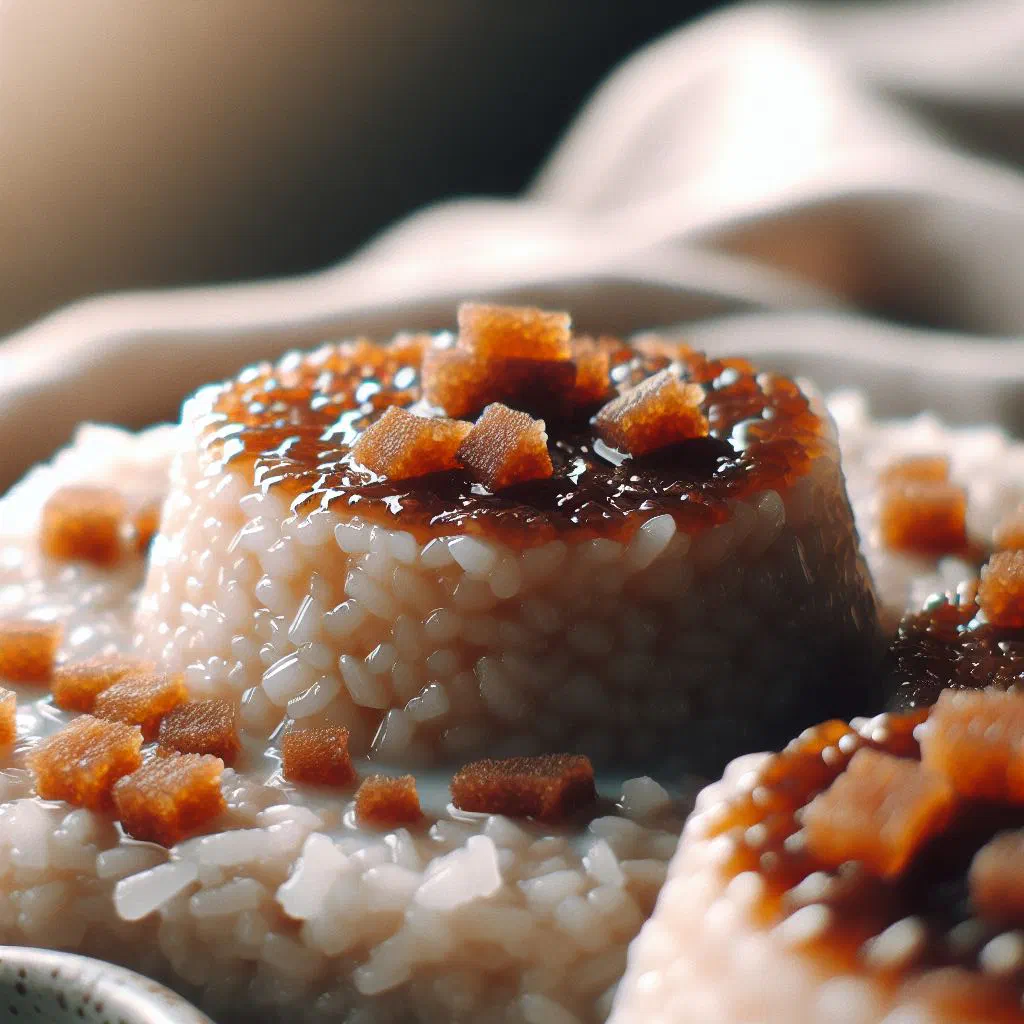
Biko is a much-loved traditional Filipino dessert made from glutinous rice, coconut milk and brown sugar. The dish has a wonderfully sticky texture and is often served at celebrations and special occasions. Not only is it straightforward to prepare, it also offers a lovely way to enjoy the flavours of the Philippines. That sweet, creamy texture makes biko a genuine treat for anyone with a sweet tooth.
Ingredients (serves 1–2)
- 1 cup glutinous rice
- 1 ½ cups coconut milk
- ½ cup brown sugar
- 1 pinch of salt
- Optional: grated coconut, to garnish
Shopping for the ingredients
Many of the ingredients needed for biko can be found in Asian grocery shops or well-stocked supermarkets. When buying the glutinous rice, look for the variety labelled “glutinous rice”, as this gives the dessert its perfect consistency. The coconut milk should ideally be unsweetened so it does not mask the natural flavour. Brown sugar lends the biko its sweetness and a lovely caramelised colour.
Preparing the dish
Before you begin making biko, it is important to rinse the glutinous rice thoroughly and soak it overnight. This helps soften the grains and ensures a better texture during cooking. The next day, drain the rice and remove any excess liquid. Proper preparation is key to achieving a delicious and authentic result.
Step-by-step instructions
- Combine the soaked glutinous rice in a pan with 1.5 cups of coconut milk and a pinch of salt, then bring to the boil.
- Reduce the heat and cook the rice gently over a low temperature for around 30 minutes, until soft and the liquid has been absorbed.
- Add the sugar and stir well until it has dissolved completely.
- Pour the mixture into a greased baking tin and spread it out evenly. Smooth the top.
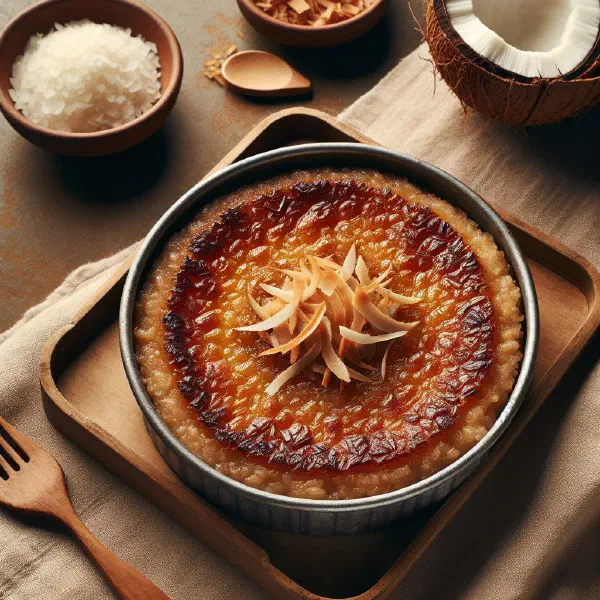
- Bake the biko at 180°C for about 20–30 minutes, until the surface turns lightly golden.
Gluten-free / lactose-free version
Biko is naturally gluten-free, as it is made with glutinous rice (which, despite its name, contains no gluten). The coconut milk used is also lactose-free, making this dessert a great option for anyone with intolerances. Do, however, make sure that all the ingredients you use are gluten-free in their own right. Check the labels and avoid cross-contamination in the kitchen so the dish is safe for everyone to enjoy.
Tips for vegans and vegetarians
For vegans, biko is an excellent choice, as all the ingredients are plant-based. You can also make sure the brown sugar is unrefined to underline the vegan credentials. One extra idea is to add natural flavourings such as vanilla extract to give the dessert a new dimension. Vegetarians might also scatter over an additional layer of fresh, grated coconut, which adds a lovely crunch.
More tips and tricks
To get the best texture and flavour, take care to soak the rice for long enough before cooking. Another way to make biko especially delicious is to add caramelised sugar to the coconut milk while it cooks, which makes the dessert even more aromatic. Experiment with different coconut milk brands too, to find the ideal flavour for your biko. Much like a comforting bowl of Champorado, the magic is in the slow, patient cooking.
Adapting the recipe to your taste
Biko is an adaptable dessert that can be varied to suit personal preference. Add dried fruit or nuts, for example, for extra texture and flavour. Another easy update is to experiment with different types of sugar or sweeteners to make the dessert a little healthier. Just be sure to always keep the right proportion of liquids so the consistency stays intact.
Ingredient substitutions
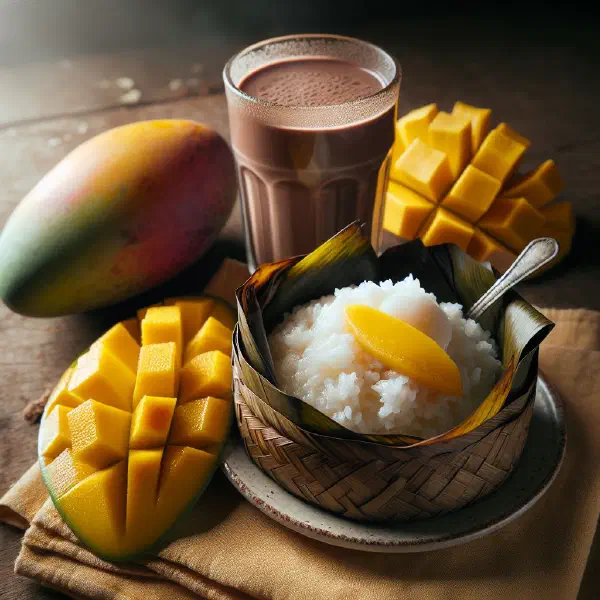
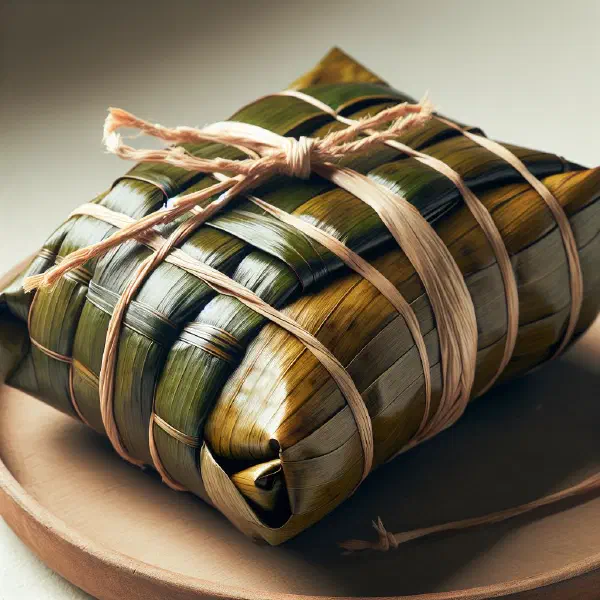
If you do not have coconut milk to hand, you can use other plant-based milks such as almond or oat milk, although this can change the flavour considerably. Instead of brown sugar, honey or agave syrup can also be used to provide a sweet component. If you cannot achieve the sticky character of biko, try using a blend of different rice varieties to reach the desired texture, as you might when preparing Suman.
Drink pairing ideas
Plenty of drinks pair nicely with biko and complement the dessert’s sweetness. A tropical lemonade made from fresh fruit or coconut water is a refreshing choice. A cold glass of green tea can also offer an excellent balance, while freshly squeezed orange juice makes a sweet accompaniment to the dessert. Experiment with different drinks to find the perfect combination.
Serving and presentation ideas
An attractive presentation is important to really show biko off. Serve it in small bowls or on pretty plates and garnish with grated coconut and fresh fruit on top. You could also decorate the dish with a sprig of fresh mint to add a splash of colour. Make sure the dessert is served chilled to enjoy the textures and flavours at their best, perhaps alongside other sweets such as Maja Blanca or Sapin-Sapin.
A bit of history
Biko has a long history in Filipino cooking and is often served as part of festivities and special occasions. It is regarded as a symbol of prosperity and is frequently offered as a gift to friends and relatives. Making biko is a tradition, and many families have their own special recipes passed down from generation to generation. This dessert reflects the culinary diversity of Philippine cuisine and the warm hospitality of its people.
More recipe ideas
Summary: Biko
Biko is a delicious and traditional Filipino dessert that is easy to make and full of wonderful flavours. With its sticky texture and sweet hint of coconut, it brings a touch of the exotic to any kitchen. Biko is a marvellous choice. Give this recipe a try and enjoy the flavours of the Philippines in your own home.