National Dish Philippines: Binagoongan (Recipe)
In this article
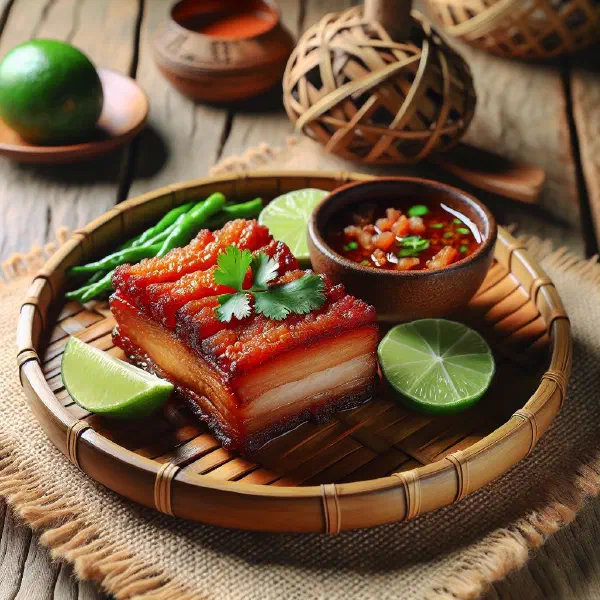
Discover Binagoongan, a bold and savoury classic of the Filipino kitchen. Tender cubes of pork are simmered in bagoong, the country’s famous fermented shrimp paste, until the sauce turns deep, rich and very umami. Sweet, salty and gently tangy all at once, it is the kind of dish that has families reaching for a second helping of rice. Bring the unmistakable flavours of the Philippines straight to your own table.
About Binagoongan
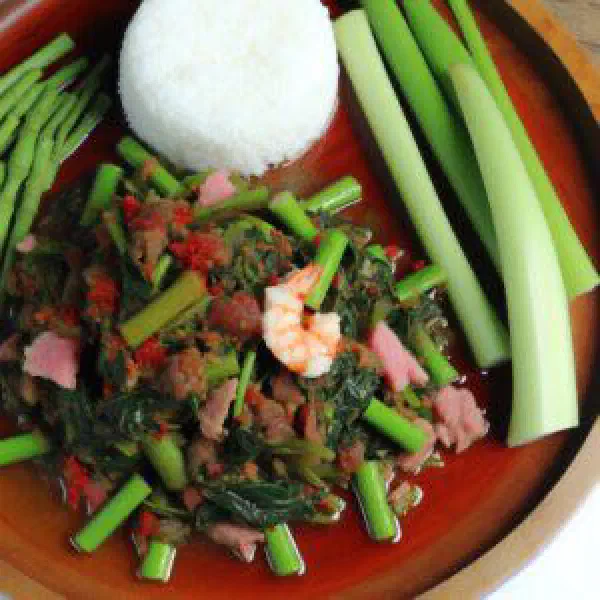
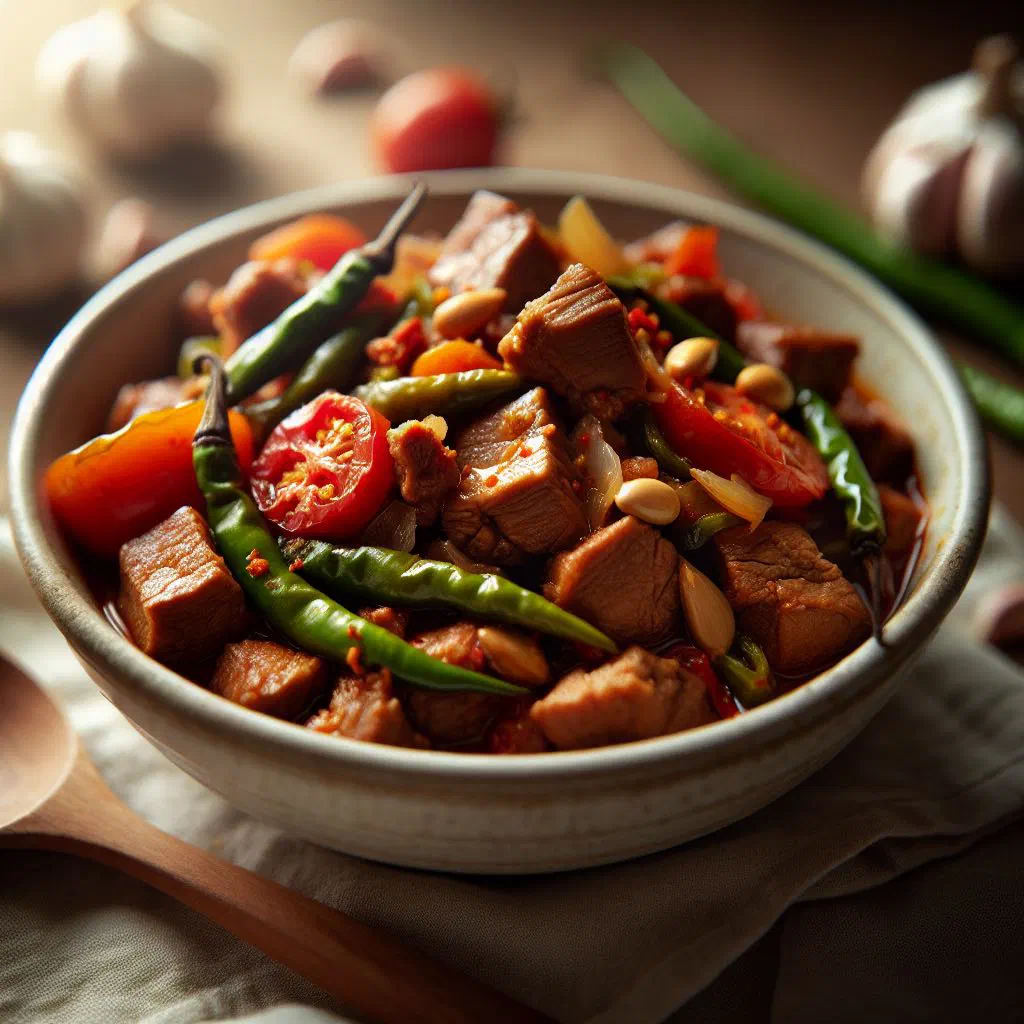
Binagoongan is a traditional Filipino dish, prized above all for its deep, savoury flavour and its satisfying combination of meat and vegetables. It is typically made with pork, marinated and cooked in a punchy paste of bagoong (fermented shrimp paste). The dish stands out for its unique taste, which is sweet, salty and tangy in equal measure. It is most often served with rice, creating a harmonious meal that appeals to locals and visitors alike.
Ingredients (serves 1–2)
- 300 g pork belly, cut into cubes
- 2 tablespoons bagoong (fermented shrimp paste)
- 1 onion, roughly chopped
- 3 cloves garlic, chopped
- 2 tomatoes, diced
- 1–2 green chillies
- 1 cup water
- 2 tablespoons vegetable oil
- 1 tablespoon sugar
- Fresh coriander, to garnish
Shopping for the ingredients
When shopping for binagoongan, it is worth choosing good-quality produce. The pork belly should be fresh and well marbled so the dish turns out juicy and tender. Bagoong can often be found in Asian grocery shops. If you struggle to track down some of the ingredients, there are also specialist online stores that stock Filipino foods.
Preparing the dish
Preparing binagoongan is fairly straightforward, though it does call for a little planning. Start by washing and prepping all your ingredients before you begin cooking. Chopping the onion, garlic and tomatoes in advance saves a great deal of time. Bear in mind, too, that browning the pork properly makes a big difference to the final flavour.
Step-by-step instructions
- Heat the oil in a large pan and brown the cubed pork over medium heat until lightly coloured.
- Add the onion and garlic and continue to fry until softened.
- Stir in the tomatoes and the bagoong and mix well.
- Scatter in the green chillies and the sugar, then deglaze everything with a cup of water.
- Simmer over low heat until the meat is tender and the sauce has thickened.
- Garnish with fresh coriander and serve hot.
Gluten-free / lactose-free version
Binagoongan is naturally gluten-free and lactose-free, as long as you take care to use gluten-free soy sauce and other seasonings. The main ingredients, including pork and bagoong, contain nothing that troubles those with coeliac disease or lactose intolerance. Even so, check the labels on any bean pastes or sauces to make sure they hide no unexpected gluten or lactose.
Tips for vegans and vegetarians
There are ways to adapt binagoongan for vegans and vegetarians. In place of pork you can use tofu or tempeh to keep the protein-rich element of the dish. Be sure, too, to reach for a plant-based bagoong alternative made from fermented soya beans. This lets you enjoy the dish’s authentic taste while staying true to your dietary choices.
More tips and tricks
A few extra touches can lift the dish even further. Browning the pork in a little more oil gives it a lovely, crisp texture. A splash of lime juice added just before serving brings a fresh acidity that balances the intense flavours beautifully. Experiment with different vegetables to round the dish out even more.
Adapting the recipe to your taste
The great thing about binagoongan is how adaptable it is. Depending on your preferences or dietary needs, you can adjust the number of chillies to vary the heat. If you like it a touch sweeter, increase the sugar or add some sliced pineapple. Be creative with the sides, too, rice noodles or a fresh salad both work well.
Ingredient substitutions
You can swap a few ingredients in binagoongan without losing the flavour. Instead of bagoong, miso paste delivers a similar umami depth. If pork belly is not to your taste, chicken or even seitan make good stand-ins. Experiment with different oils, such as coconut or peanut oil, to add their own special notes, the same playful approach that makes a rich Kare-Kare so rewarding.
Drink pairing ideas
A range of drinks pairs nicely with binagoongan and complements its flavours. A cool, lightly fizzy beer such as San Miguel is a popular choice in the Philippines. For an alcohol-free option, a freshly made mango juice is perfect for balancing the bold tastes. A glass of water with lemon or a refreshing herbal tea also make good companions.
Serving and presentation ideas
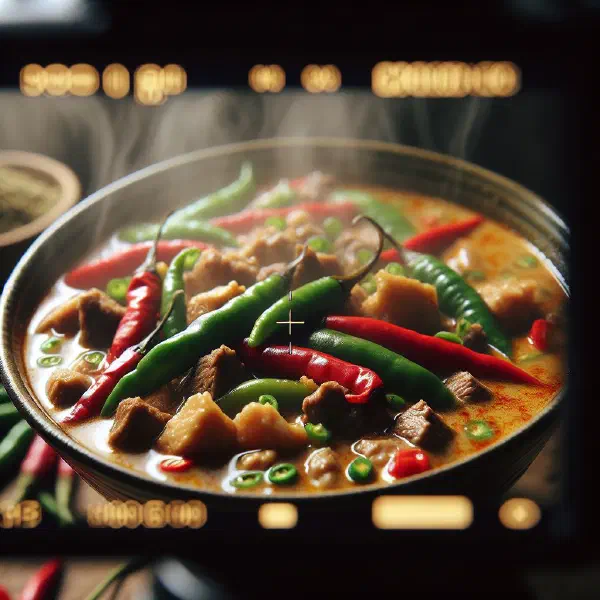
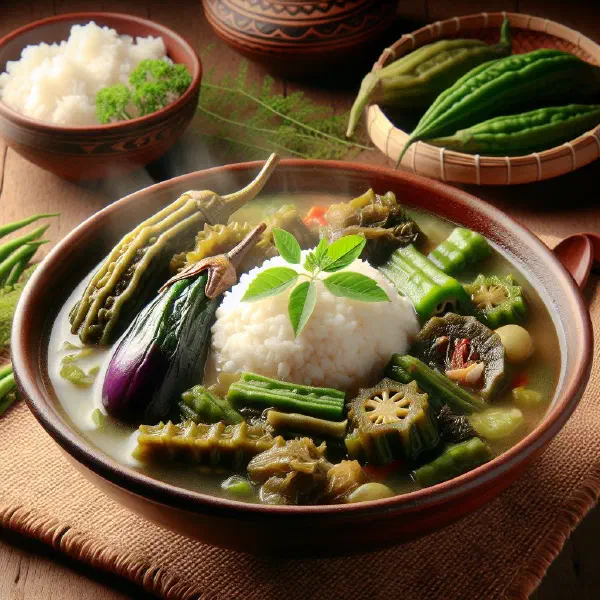
An appetising dish deserves an appetising presentation. Serve binagoongan in an attractive bowl that shows off its bold colours. Garnish with fresh coriander and a scattering of chilli. A side of steaming white jasmine rice provides a pretty colour contrast and underlines the heart of Filipino dining culture.
A bit of history
The roots of binagoongan run deep through Filipino home cooking. It is a symbol of the creativity of the country’s culinary tradition, which weaves together a host of cultural influences. The dish reflects a love of seafood and shows just how central fermented products are to Philippine cuisine. Binagoongan is often served at festive gatherings and remains a much-loved family meal.
More recipe ideas
Summary: Binagoongan
In short, binagoongan is a delicious staple of Filipino cooking and a wonderful way to bring contrasting flavours together. With its juicy cubes of meat, aromatic seasonings and the unmistakable savour of fermented shrimp paste, it is a real must for anyone who loves the bold tastes of Asian cuisine. Its adaptability and the freedom to make it your own are exactly what make this dish so special.