National Dish Philippines: Buko Pandan (Recipe)
In this article
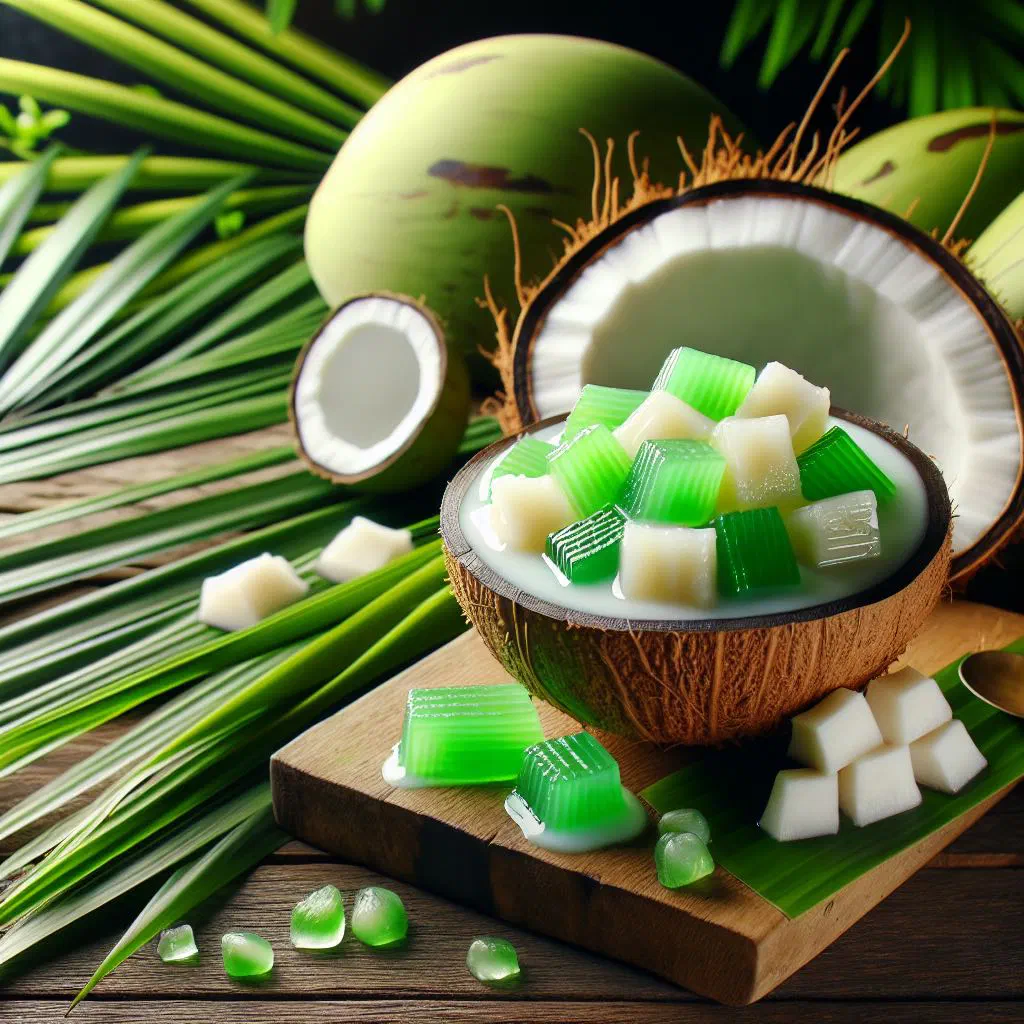
Meet Buko Pandan, one of the Philippines’ most loved chilled desserts. This bright treat brings together tender young coconut, fragrant pandan and a sweet, creamy base for a result that is as refreshing as it is pretty. With its soft green hue and cooling texture, it is the perfect way to round off a meal on a warm day. Bring a little slice of tropical paradise straight to your own table.
About Buko Pandan
Buko Pandan is a much-loved Filipino dessert, prized for its fresh flavours and its wonderfully inviting texture. At its heart are young coconuts, which team up with pandan leaves and sweet cream to create a truly delicious combination. The dessert is refreshing to eat and a feast for the eyes, thanks to its lively colours. Ideal for warm days, Buko Pandan conjures up a little piece of tropical paradise on your table.
Ingredients (serves 1–2)
- 1 cup fresh young coconut, chopped
- 1 cup coconut milk
- 1/2 cup sweet cream
- 1/2 cup pandan (fresh leaf or extract)
- 1/4 cup sugar (to taste)
- 1/4 cup small tapioca pearls (optional)
Shopping for the ingredients
To make Buko Pandan, you will need a few special ingredients that may not be stocked in every supermarket. It is worth seeking out pandan leaves or young coconuts at an Asian grocery to capture the authentic flavours. If fresh produce is hard to find, there are also tinned alternatives, often sold in cans. Be sure to use good-quality coconut milk and sweet cream as well, to get the very best result.
Preparing the dish
Before you start, it is important to get all your ingredients ready. If you are using fresh young coconuts, peel them and cut the flesh into small pieces. If this is your first time working with tapioca pearls, remember that they need to be cooked before use to reach a pleasant texture. Pandan leaves are easy to prepare in the kitchen. Simply rinse them thoroughly and cut them into small pieces. These steps are key to enjoying the full aroma of Buko Pandan.
Step-by-step instructions
- Cook the tapioca pearls according to the packet instructions and leave them to cool.
- In a large bowl, mix the coconut milk, sweet cream and sugar until everything is well combined.
- Add the chopped young coconut and the prepared tapioca pearls.
- Stir in the cut pandan leaves and mix well.
- Chill the mixture in the fridge for at least 30 minutes so it stays fresh.
- Serve the dessert cold and decorate as you like with extra coconut pieces or fresh fruit.
Gluten-free / lactose-free version
Buko Pandan is easy to make without gluten- or lactose-containing products. Simply use lactose-free cream in place of the regular sweet cream. The other ingredients are naturally gluten-free, which makes this a great choice for anyone with coeliac disease or a lactose intolerance. Take care when shopping to look for lactose-free alternatives and to read the labels closely so you can be sure they are free from gluten. That way everyone can enjoy all the flavours and textures of the dessert.
Tips for vegans and vegetarians
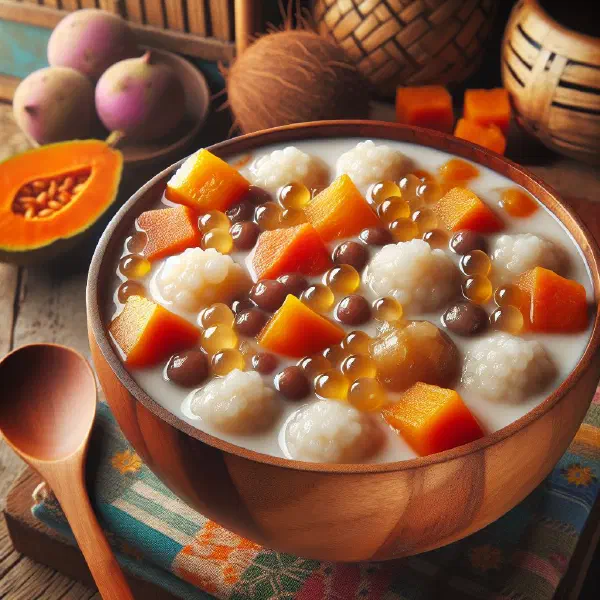
Buko Pandan suits vegans and vegetarians beautifully, especially with a few simple tweaks. Replace the sweet cream with a plant-based cream based on coconut, soya or almond. Use good-quality coconut milk to keep that creamy taste. Make sure every ingredient you use is vegan, including the tapioca pearls, which are usually safe. These variations let you enjoy this delicious dessert without compromising on your dietary needs, much like a comforting Ginataang Bilo Bilo.
More tips and tricks
The secret to a successful Buko Pandan lies in striking the right balance of flavours and textures. Experiment with the amount of sugar to adjust the dessert to your taste. Be sure to chill the mixture well before serving, as this deepens the flavour and makes the dessert more refreshing. You can also add a touch of lime juice to lend the flavour a special freshness that harmonises perfectly with the sweetness.
Adapting the recipe to your taste
Everyone has their own preferences when it comes to desserts, and Buko Pandan is easy to adapt. You can add different fruits to create extra textures and flavours, such as mango pieces or strawberries. If you want a more intense aroma, try pandan extract, which adds a strong depth of flavour even in small amounts.
Ingredient substitutions
If you do not have certain ingredients for Buko Pandan to hand, there are plenty of alternatives you can use. Instead of young coconuts, you could use dried coconut flakes, though the flavour will be slightly different. If you cannot find tapioca pearls, gelatine might be a suitable option for varying the texture, a clever trick that also works in a chilled Mango Sago. Just bear in mind that the result may not quite match the original recipe, but it will still be delicious.
Drink pairing ideas
To complement your Buko Pandan dessert perfectly, choose light and refreshing drinks. An inviting coconut smoothie pairs wonderfully with the dessert’s creamy flavours. Other options include juicy fruit juices, such as pineapple or mango juice, which benefit from the sweet complexity of Buko Pandan.
Serving and presentation ideas
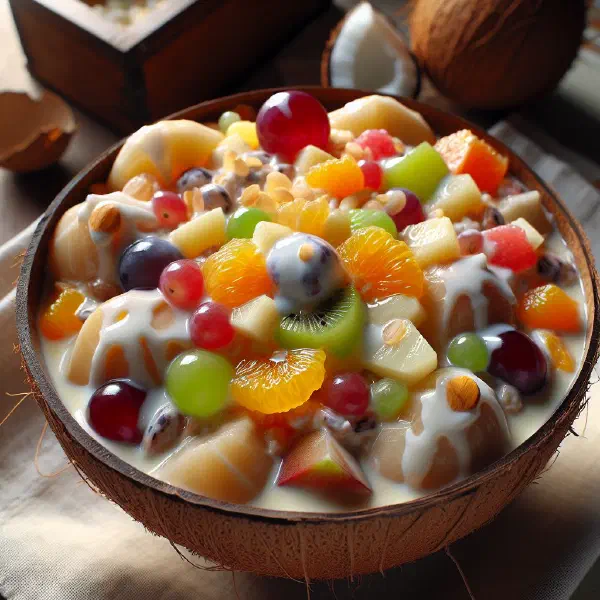
To give Buko Pandan a special look, you can serve it in attractive bowls or glasses. Garnish the dessert with fresh mint leaves or a sprinkle of toasted coconut flakes to lift it visually. Another lovely idea is to decorate the dessert with colourful fruits that sit harmoniously alongside the colour of Buko Pandan. A well-presented dessert will appeal to your guests and whet their appetite.
A bit of history
Buko Pandan has its roots in the Philippines, where it is often served at celebrations and festivals. The use of pandan leaves, valued for their unique flavour, is deeply embedded in Filipino cooking. The combination of these ingredients is thought to represent a timeless link to the country’s tropical nature. Over the years, Buko Pandan has also grown popular in other parts of the world and is today a symbol of the diverse and rich culture of the Philippines, much like the celebrated Halo Halo and other classics of Philippine cuisine.
More recipe ideas
Summary: Buko Pandan
In summary, Buko Pandan is a refreshing dessert and a true piece of Filipino culture. With its unique blend of flavours and its beautiful presentation, it is the perfect choice for any occasion. Buko Pandan brings the taste of the tropics straight to your table. Enjoy the appeals to of this delicious dessert and let its culinary charm inspire you.