National Dish Philippines: Bulalo (Recipe)
In this article
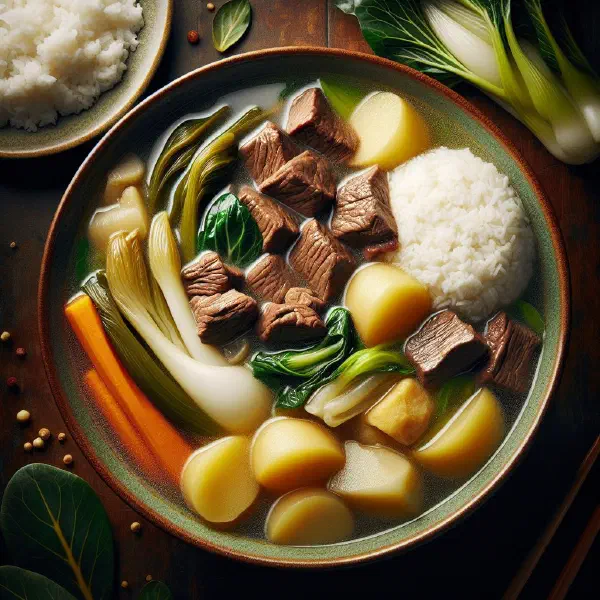
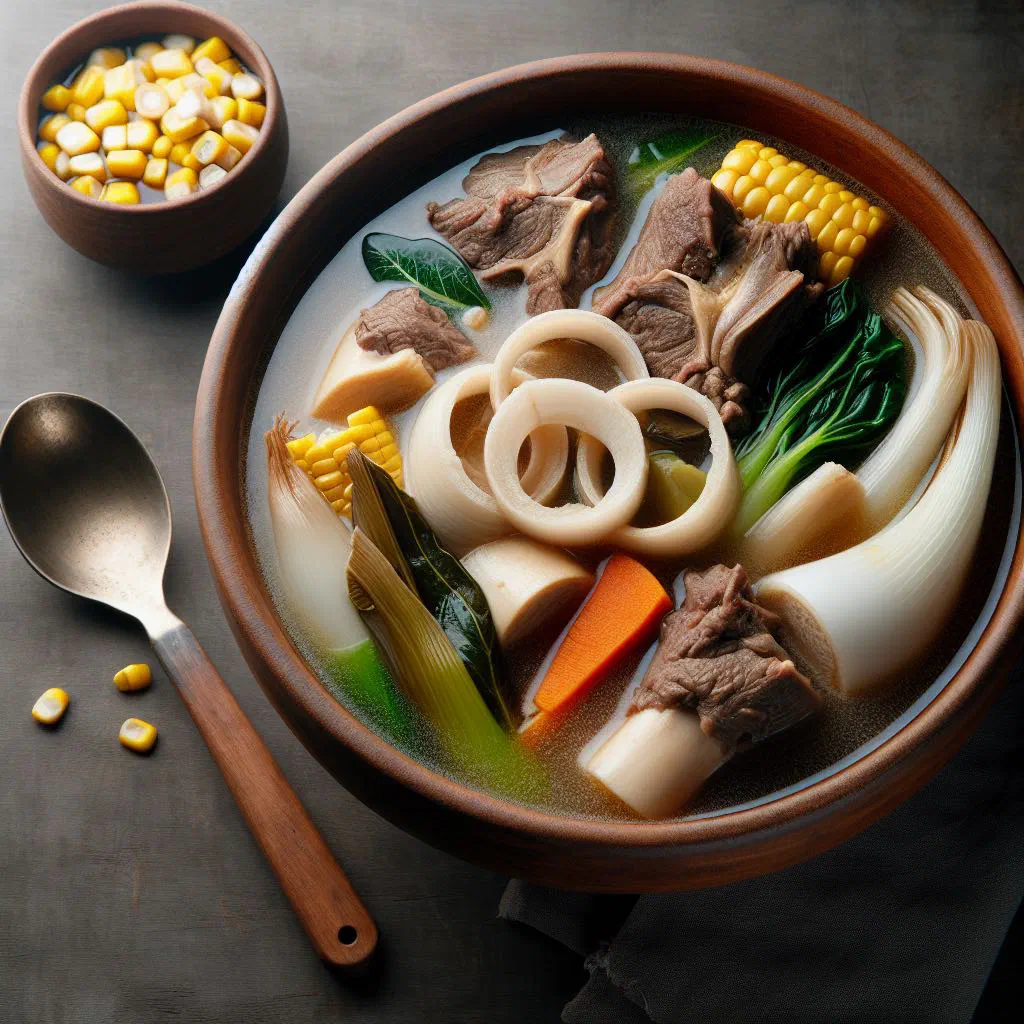
Few dishes capture the warmth of Filipino home cooking quite like Bulalo, a soul-soothing beef shank soup built on hours of patient simmering. Tender meat falls away from the bone, the marrow turns silky and rich, and sweetcorn and vegetables lend the clear broth a gentle, comforting sweetness. It is the kind of dish that draws everyone to the table. Perfect for sociable gatherings and quiet, cosy evenings alike.
About Bulalo
Bulalo is a traditional, hearty dish from the Philippines, celebrated above all for its rich broth and the meltingly tender flavour of beef. At its heart is beef shank, gently simmered until it is soft enough to fall off the bone, and it is typically served with vegetables such as corn and potatoes. In many regions of the Philippines, bulalo is far more than a delicacy. It is shorthand for good company and festive occasions. The cooking takes time and care, but the reward is a delicious, nourishing meal that is well worth every minute.
Ingredients (serves 1–2)
- 500 g beef (shank, for example)
- 1 onion, chopped
- 2–3 cloves garlic, chopped
- 1 large potato, diced
- 1 corn on the cob, cut into rounds
- 1–2 carrots, sliced into rings
- 1–2 litres water
- Salt and pepper to taste
- Fresh parsley or spring onion, to garnish
Shopping for the ingredients
When shopping for bulalo, look for fresh, good-quality ingredients to get the very best flavour. A trip to a local butcher is the surest way to source beef shank with plenty of marrow, the prized centre of the dish. Fresh vegetables matter just as much for drawing out the full depth of the broth. Bear in mind that some ingredients vary by season, so it is always worth seeking out local, regionally available produce.
Preparing the dish
Preparing bulalo begins with carefully cutting and readying the vegetables. It helps to chop everything into even pieces so they cook through at the same rate. The meat should be washed well and trimmed of any excess fat for the cleanest result. You can also chop the onions and garlic in advance to save time once the cooking is under way.
Step-by-step instructions
- Bring the beef to the boil in a large pot of water, then skim off the foam that rises to the surface.
- Add the onions and chopped garlic and let everything simmer over low heat for about 2–3 hours, until the meat is tender.
- Add the potatoes, corn and carrots and cook for a further 30 minutes.
- Season with salt and pepper, garnish with fresh parsley or spring onion as you like, and serve hot.
Gluten-free / lactose-free version
Bulalo is naturally gluten-free and lactose-free, since it is made primarily from meat and vegetables. The key is to check any stock or seasonings you use to make sure they contain no gluten-based ingredients. Take care, too, that everything you add is free from additives that might hide gluten or lactose. With these simple precautions, even those with dietary restrictions can enjoy bulalo to the full.
Tips for vegans and vegetarians
Bulalo can be adapted for vegans and vegetarians with very little trouble. Instead of beef, use a good vegetable stock as the base and add ingredients such as tofu, mushrooms or pulses to bring back that hearty, satisfying note. The flavour can be deepened with ginger, coriander or a splash of soy sauce. These alternatives turn bulalo into a tasty dish that feels every bit as complete without the meat.
More tips and tricks
The single most important technique for a great bulalo is slow cooking. A long, gentle simmer builds the flavours and ensures the meat turns wonderfully tender. You can intensify the taste further with roasted garlic or a few special herbs that lend a distinctive aroma. The dish also keeps beautifully, make it ahead and store it in the fridge, as the flavours only improve over time.
Adapting the recipe to your taste
Bulalo lends itself to all sorts of adjustments to suit personal taste. You might add extra vegetables such as celery or green beans, for instance, or vary the heat by stirring in chilli or ginger. Playing around with the ingredients adds variety and means everyone can find a version they love. It sits comfortably alongside other beefy classics of Philippine cuisine such as Nilaga.
Ingredient substitutions
If some of the ingredients for bulalo are hard to find, there are easy swaps to try. The beef can be replaced with chicken for a lighter version of the dish, much as you would in a comforting bowl of Tinola. Likewise, a mix of seasonal vegetables works well to keep things fresh. Substitutions like these help you make the most of what is in season and cater to individual dietary needs.
Drink pairing ideas
Bulalo is best matched with hearty drinks that complement its rich flavours. Traditionally it is served with cold, fresh water or a light beer. Fruity options such as a mango shake or a refreshing lemonade round out the meal nicely too. The right drink can lift the whole eating experience and open up new layers of flavour.
Serving and presentation ideas
Presentation plays a big part in the enjoyment of any dish. Bulalo can be served in a large, attractively dressed bowl so everyone can help themselves. Fresh herbs such as parsley or spring onion make a lovely garnish and give the dish more visual appeal. Adding colourful vegetables creates an inviting look that catches the eye and whets the appetite.
A bit of history
The roots of bulalo run deep through Filipino culture and tradition. The dish was first prepared by the people of the countryside and remains firmly woven into the way of life in these regions. It is especially beloved in the Batangas province, where it is regarded as a local speciality. Today it has grown into a symbol of Filipino cooking, enjoyed in countless restaurants and households across the country, a fine example of the comforting Philippine cuisine that has won fans far beyond its shores.
More recipe ideas
Summary: Bulalo
Bulalo is far more than just a dish; it is an experience that brings together tradition and community. Over the years it has earned a firm place in Filipino cooking and continues to please locals and visitors alike. The combination of tender meat, fresh vegetables and that aromatic, marrow-rich broth makes it utterly distinctive. Give this recipe a try and treat yourself to a delicious journey into the world of Filipino home cooking.