National Dish Philippines: Cassava Cake (Recipe)
In this article
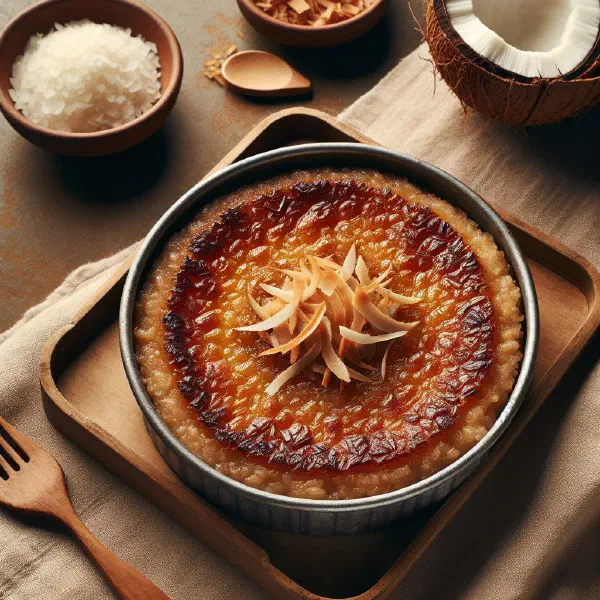
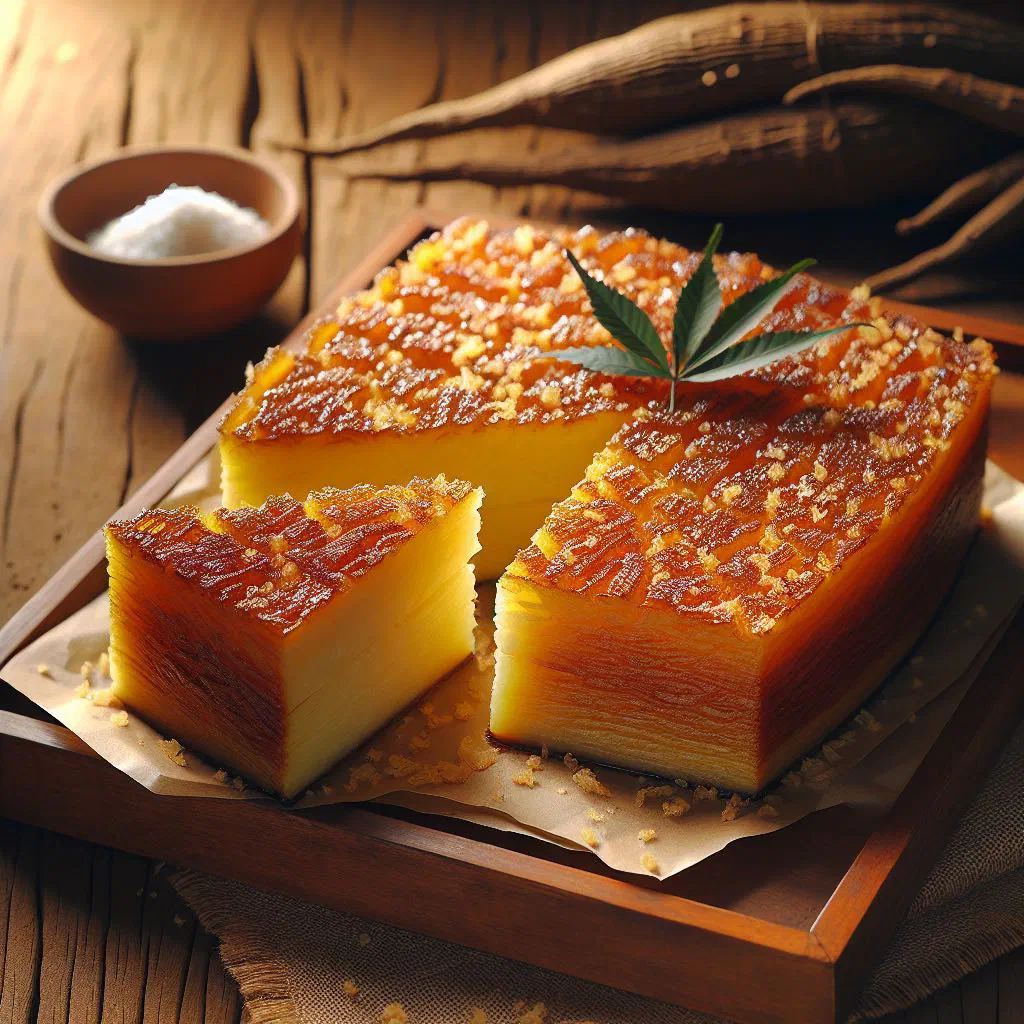
Say hello to Cassava Cake, a much-loved Filipino dessert that turns the humble cassava root into something utterly moreish. Rich with coconut milk and a gentle sweetness, this baked treat has a wonderfully soft, almost chewy texture that sets it apart from any ordinary cake. A staple at fiestas and family celebrations across the islands, it brings a little tropical warmth and a great deal of tradition to the table.
About Cassava Cake
Cassava Cake is a traditional Filipino dessert made from the cassava root, a starchy tuber that is a staple across many tropical regions. The grated root gives the cake its signature creamy, dense consistency, while a combination of coconut milk, sugar and a pinch of love delivers a flavour experience that is hard to match. In the Philippines this dessert is especially popular at fiestas and family gatherings, carrying culture and tradition onto every plate.
Ingredients (serves 1–2)
- 1 cup grated cassava
- 1/2 cup coconut milk
- 1/4 cup sugar
- 1/4 cup water
- 1 teaspoon vanilla extract
- A pinch of salt
- Optional: grated coconut, to decorate
Shopping for the ingredients
Most of the ingredients you need for cassava cake are easy to find in any well-stocked supermarket or Asian grocery. The main ingredient, the cassava root, can be bought fresh or as a ready-grated product. If you opt for fresh cassava, choose roots that are firm and free of blemishes or soft spots. The coconut milk is another key ingredient, lending the cake its sweetness and its lovely creamy texture.
Preparing the dish
Before you start making the cassava cake, lay out all your ingredients and preheat the oven to 180°C. If you are using fresh cassava, cut the root into small pieces and grate it on a box grater or in a food processor. Take care to leave no coarse chunks behind, as these can spoil the texture of the finished cake. It is also worth greasing your baking tin well so the cake turns out easily once baked.
Step-by-step instructions
- Place the grated cassava in a mixing bowl.
- Add the coconut milk, sugar, water, vanilla extract and a pinch of salt, then stir well to combine.
- Pour the mixture evenly into the prepared baking tin.
- Bake in the preheated oven for 45–50 minutes, until the cake is firm and lightly golden.
- Remove from the oven and leave to cool before serving.
Gluten-free / lactose-free version
One of the great things about cassava cake is that it is naturally gluten-free and lactose-free, as long as no extra dairy is added. Check the label on the coconut milk you choose to make sure it is free of unwanted additives. If you fancy an even creamier note, there are plenty of plant-based options that stay true to the classic recipe. This means anyone with food intolerances can enjoy this delicious cake without a second thought, much like a comforting bowl of Maja Blanca.
Tips for vegans and vegetarians
Cassava cake is naturally suited to vegans, as it contains no animal products at all. Even so, it is worth double-checking the ingredient lists, particularly on shop-bought items, to avoid hidden animal fats or other animal-derived components. You can also fold in extra plant-based additions such as nuts or dried fruit to give the cake an added layer of flavour and texture.
More tips and tricks
To make the very best cassava cake, it is important to prepare the cassava properly. Avoid adding too much water, as this can throw off the consistency of the cake. Experiment with the amount of sugar to find the perfect level of sweetness for your taste. Once the cake has cooled, you might also garnish it with a little grated coconut or some fresh fruit for an attractive finish.
Adapting the recipe to your taste
The beauty of cassava cake is just how adaptable it is. You can add warming spices such as cinnamon or nutmeg for an aromatic note. If you are a fan of nuts, try working ground almonds or walnuts into the batter. For a fruitier version, fold in puréed mango or other tropical fruits that pair beautifully with the cake’s sweetness, in much the same spirit as a refreshing Mango Float.
Ingredient substitutions
If you do not have coconut milk to hand, you can swap it for almond milk or soya milk. This will alter the flavour slightly but still provides a creamy base. In place of sugar, alternative sweeteners such as honey or agave syrup work well and give the cake a subtly different yet interesting sweetness. You could even replace the cassava with sweet potato, though this does bring a noticeable change in both texture and taste.
Drink pairing ideas
A range of drinks pairs wonderfully with a slice of cassava cake. A freshly pressed watermelon juice or an ice-cold coconut drink makes a lovely refreshment. If you prefer something with more body, a cup of Filipino coffee taps nicely into the traditions of the region. Herbal teas such as ginger tea or mint tea also complement the flavours of the cake beautifully.
Serving and presentation ideas
An appealing presentation makes this dessert all the more appealing. Serve the cassava cake on a handsome plate and garnish it with fresh fruit or a scattering of edible flowers. A light dusting of icing sugar across the top gives an elegant look. Consider, too, colourful plates or napkins that echo the tropical character of the dessert and lend a festive feel.
A bit of history
Cassava cake has a long history closely bound up with the culture of the Philippines. The cassava plant was originally introduced from Brazil and spread quickly through the tropical countries of Asia. The cake reflects the influences of the Spanish colonial era, when various ingredients and cooking techniques were woven into the local kitchen. Today it is a much-loved dessert at special occasions and celebrations, passed down from one generation to the next as a treasured part of Philippine cuisine.
More recipe ideas
Summary: Cassava Cake
Cassava cake is far more than just a dessert; it is a slice of Philippine culture and tradition. With its unique texture and a flavour harmoniously rounded out by the combination of coconut milk and sugar, it is a pleasure for every palate. Whether for a special occasion or simply as a sweet little indulgence, this cake is sure to charm you. Give the recipe a try and bring a taste of the Philippines into your own home.