National Dish Philippines: Dinengdeng (Recipe)
In this article
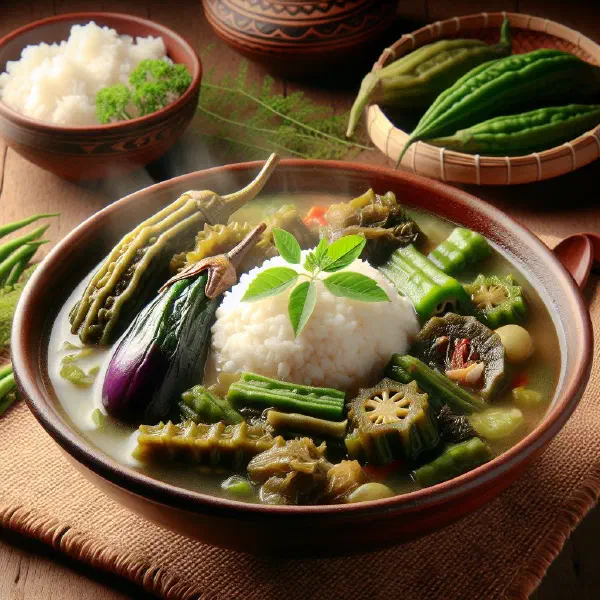
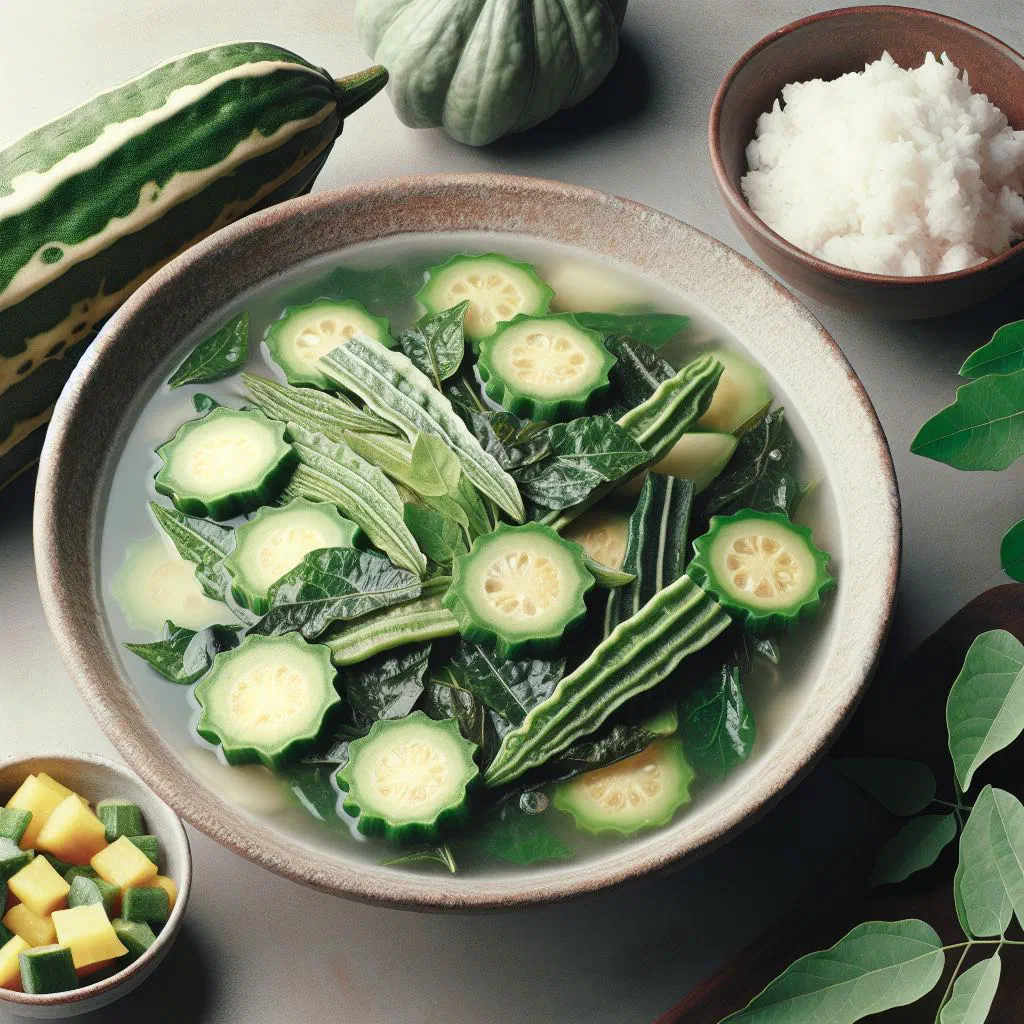
Discover Dinengdeng, a wholesome celebration of the Philippines’ love of garden-fresh vegetables. This light yet deeply savoury stew brings together okra, luffa and a handful of leafy greens in a fragrant broth lifted by fish sauce or a crowning of grilled fish. Simple, nourishing and endlessly adaptable, it captures the rustic spirit of northern Filipino home cooking and makes the most of whatever is in season.
About Dinengdeng
Dinengdeng is a much-loved dish of Philippine cuisine, prized for its healthy, flavour-packed preparation. It is most often built around an abundance of fresh, locally grown vegetables, which give it a character all of its own. Typical ingredients include okra, luffa and a variety of leafy greens, all brimming with nutrients. The dish is frequently finished with a splash of fish sauce or a piece of grilled fish, which deepens the flavours and rounds out every bowl.
Ingredients (serves 1–2)
- 1 cup okra, washed and halved
- 1 cup luffa (sponge gourd), diced
- 2 cups mixed leafy greens (such as spinach or malunggay)
- 1–2 tablespoons fish sauce or soy sauce
- 2 cups water
- Optional: grilled fish for topping
Shopping for the ingredients
To create an authentic Dinengdeng, it is well worth tracking down the right ingredients. Visit a local market or an Asian grocery to pick up fresh vegetables and seasonings. Look for produce of the best possible quality, as this is what brings the dish to life. Fish sauce is an essential component that lends the stew its signature aroma, so choose a good-quality bottle wherever you can.
Preparing the dish
Getting Dinengdeng ready is wonderfully straightforward. Begin by washing the fresh vegetables thoroughly and cutting them into even pieces. These steps matter, as they help the flavours spread evenly and keep the texture of the vegetables at its best during cooking. Have all your ingredients to hand before you start so the whole process runs smoothly from beginning to end.
Step-by-step instructions
- Bring the water to the boil in a large pan.
- Add the prepared vegetables (okra and luffa) to the boiling water and simmer for 5–7 minutes.
- Add the mixed leafy greens and cook for a further 2–3 minutes, until tender.
- Stir in the fish sauce or soy sauce and mix well.
- If you like, finish with a topping of grilled fish.
Gluten-free / lactose-free version
For anyone keeping an eye on gluten or lactose, Dinengdeng is an excellent choice. The dish is naturally gluten-free, as long as you make sure the fish sauce or soy sauce you use is gluten-free. The fresh vegetables are all naturally lactose-free, so you can tuck in without a second thought. Simply avoid adding any ingredients that contain gluten or lactose to keep the dish suitable for everyone at the table.
Tips for vegans and vegetarians
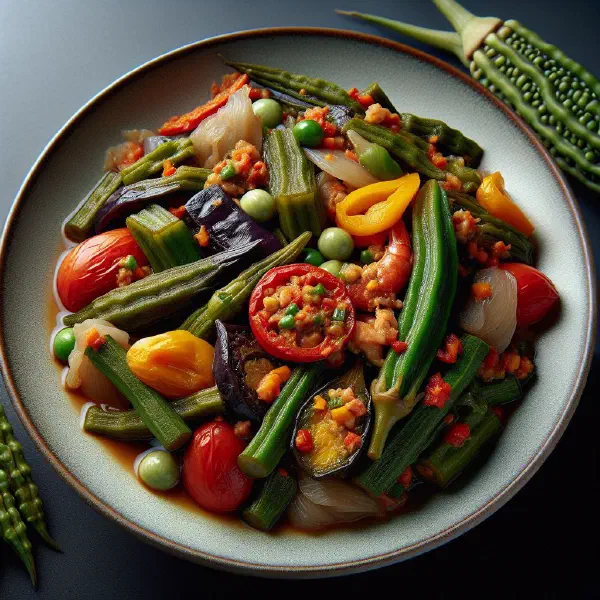
A vegan or vegetarian version of Dinengdeng is easy to put together. In place of fish sauce, reach for a plant-based soy sauce or a blend of soy and vegan fish flavouring to achieve that sought-after umami note. You can also add different kinds of tofu instead of fish to boost the protein content. Experiment with a range of vegetables to create your own personalised version, the same generous, veg-forward spirit you will find in Pinakbet.
More tips and tricks
To deepen the flavour of your Dinengdeng even further, you can stir in a few extra seasonings and herbs. Garlic and onions add an aromatic backbone, while chillies bring a welcome kick of heat. A squeeze of lemon juice at the very end can round things off and lift the aromas. Be adventurous and adjust the seasonings to suit your own palate.
Adapting the recipe to your taste
One of the great joys of Dinengdeng is just how versatile the recipe is. You can swap in different vegetables depending on what is available or in season, aubergine, green beans or even carrots all work beautifully. This makes it easy to fold in seasonal produce and reinvent the dish time and again, much like the bountiful Bulanglang.
Ingredient substitutions
For those who would rather skip the fish sauce, there are plenty of alternatives. Try coconut aminos or a homemade mix of soy sauce and cider vinegar to replace that salty depth. If you cannot find luffa, courgette makes a superb stand-in and keeps a similar texture. This flexibility is exactly what makes Dinengdeng a dish anyone can tailor to their own taste.
Drink pairing ideas
A variety of drinks pair wonderfully with Dinengdeng. A refreshing glass of cold water with a squeeze of lemon complements the flavours nicely. Alternatively, green tea or a fruity smoothie makes for a healthy, refreshing accompaniment. For those who enjoy a drink, a light lager or a glass of white wine also sits well alongside the dish’s hearty, savoury notes.
Serving and presentation ideas
When it comes to presenting Dinengdeng, there is plenty of room to be creative. Serve it in an attractive deep bowl and garnish with fresh coriander or spring onions. A little lime juice or zest scattered over the surface adds visual appeal and an extra burst of freshness. The way you arrange the vegetables can play an important role too, pleasing the eye and heightening the enjoyment of the meal.
A bit of history
Dinengdeng has its roots in Filipino culture, where great value is placed on fresh, locally grown produce. The dish is traditionally prepared by the Ilocano people, an ethnic group from the Ilocos region in the north. It reflects the culinary richness of the Philippines and the essence of community and a close bond with nature. Cooking Dinengdeng is often a sociable affair, bringing family and friends together to enjoy fresh, healthy food, a hallmark of Philippine cuisine.
More recipe ideas
Summary: Dinengdeng
All in all, Dinengdeng is a tasty and wholesome dish that captures the diversity of Filipino cooking. With its fresh ingredients and simple preparation, it suits seasoned cooks and beginners alike. The sheer variety of vegetables you can use means everyone can shape the dish to their own liking. Discover the flavours of the Philippines with this delicious recipe and share it with friends and family.