National Dish Philippines: Dinuguan (Recipe)
In this article
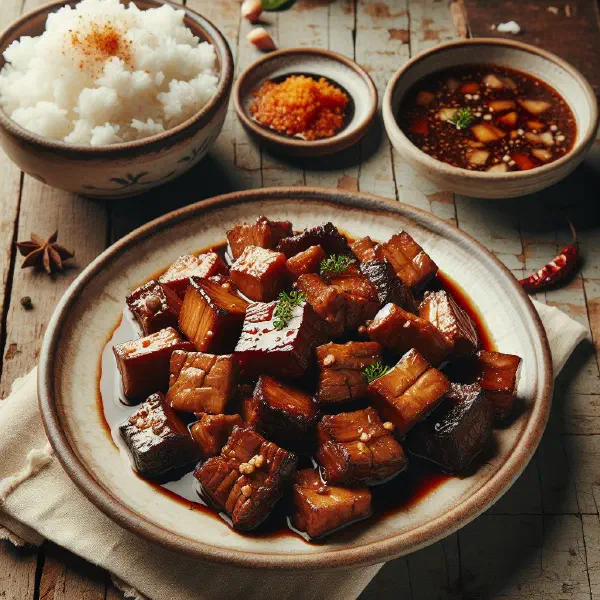
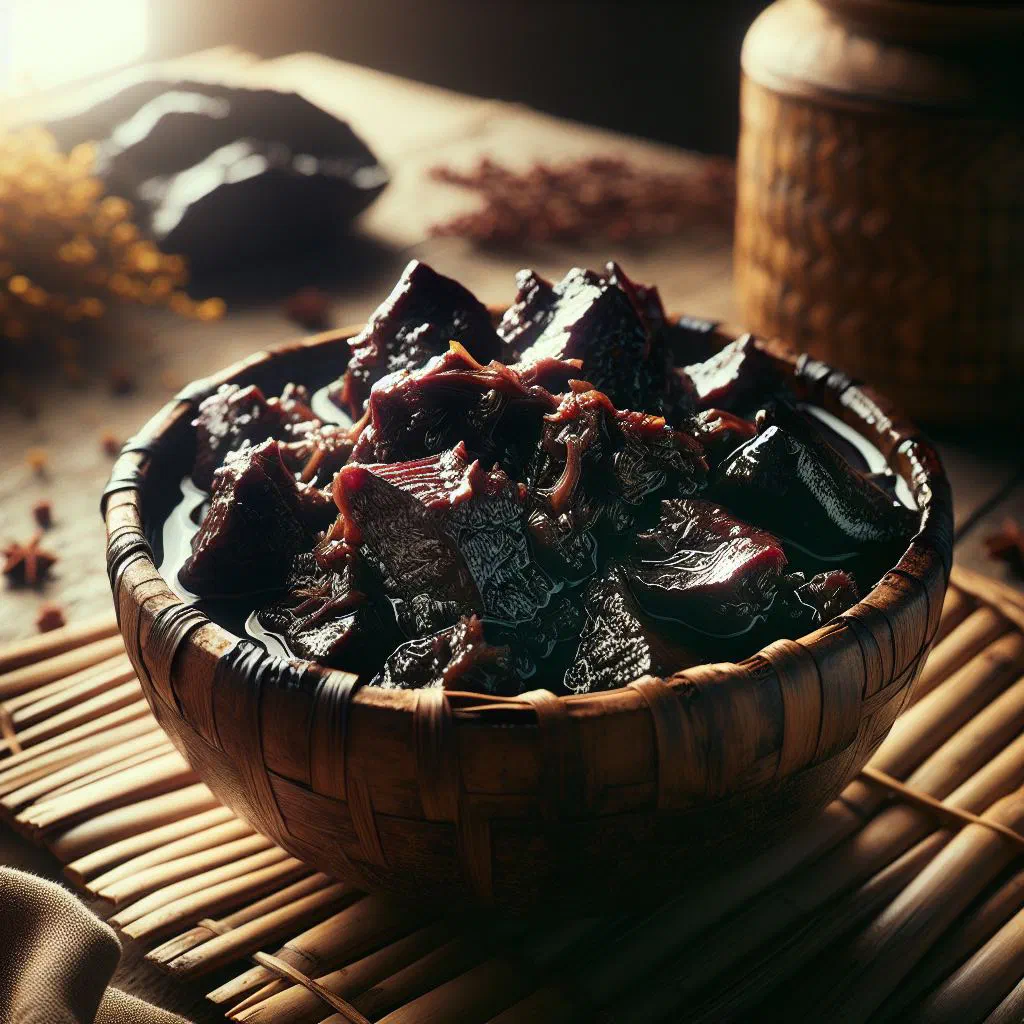
Discover Dinuguan, one of the Philippines’ boldest and most distinctive dishes. This rich stew brings together tender pork and a deep, almost chocolate-coloured sauce made from fresh pork blood, gently soured with vinegar and lifted by garlic and green chillies. Hearty, savoury and full of character, it is often served at fiestas and family gatherings alongside steamed rice or soft puto rice cakes. Bring a true taste of the Philippines to your own table.
About Dinuguan
Dinuguan is a much-loved Filipino dish made from pork and fresh blood, prized for its hearty, savoury flavour and its gentle warmth from the chillies. The blood gives the dish its signature dark, rich colour and a silky, full-bodied sauce that clings to the meat. It is most often enjoyed with steamed rice or with puto rice cakes, which balance its deep, robust taste. Frequently served at special occasions and festive celebrations, Dinuguan is a proud symbol of the varied and unique Filipino kitchen.
Ingredients (serves 1–2)
- 500g pork (shoulder or leg)
- 200ml pork blood
- 2 cloves garlic, chopped
- 1 onion, diced
- 2–3 green chillies
- 2 cups water
- 2 tbsp vinegar
- 1 tsp salt
- 1 tsp pepper
- 2 tbsp oil
Shopping for the ingredients
To make Dinuguan well, it is worth choosing fresh, good-quality ingredients. The pork should be as fresh as possible to guarantee the best flavour. Just as essential is the pork blood, which is often available from Asian supermarkets or local butchers. It is well worth asking ahead so you can secure it fresh. Pick up fresh vegetables such as onions and garlic too, as these aromatics shape the character of the finished stew.
Preparing the dish
First, cut the pork into small cubes so it cooks through evenly. Chop the garlic and onions and set them aside ready to go. The green chillies can be left whole or trimmed back according to taste, letting you dial the heat of the dish up or down to suit your own preference.
Step-by-step instructions
- Heat the oil in a pot and add the diced onions and garlic. Sauté until golden brown.
- Add the cubed pork and brown the surface lightly.
- Pour in the water, vinegar, salt and pepper, and bring everything to the boil.
- Reduce the heat, cover the pot and let the meat simmer for 30–40 minutes until tender.
- Once cooked, stir in the pork blood, mixing well until evenly combined.
- Add the green chillies and let the dish simmer for a further 10 minutes to deepen the flavours.
- Serve hot with rice or with puto rice cakes.
Gluten-free / lactose-free version
Dinuguan is naturally gluten-free and lactose-free, which makes it a great choice for anyone with particular dietary needs. Even so, check that every ingredient you use, including any seasonings or stocks, is also gluten-free, to avoid cross-contamination. Sticking to fresh, unprocessed ingredients ensures the dish is suitable for all. That way everyone can enjoy the unique flavour of Dinuguan without having to compromise on their diet.
Tips for vegans and vegetarians
For vegans and vegetarians, Dinuguan poses a challenge, as the dish is built around meat and blood. There are, however, creative alternatives that preserve its essence by using plant-based proteins such as tofu or seitan. Adding vegetable stock, tomato purée and soy sauce helps recreate the savoury depth the blood would normally provide. Approached this way, plant-based eaters can still experience the flavours and the distinctive character of Dinuguan, much as a plant-based Vegetable Kare Kare reimagines a meaty classic.
More tips and tricks
Cooks recommend working with fresh ingredients to bring out the best flavours. Use fresh herbs such as coriander or parsley as a garnish to add an aromatic lift. You can also make the dish a little more colourful and substantial by stirring in different vegetables, such as carrots or green beans. Experiment with this hearty stew to find your own personal touch and turn it into something special.
Adapting the recipe to your taste
Adapting the Dinuguan recipe to your own preferences is simple. The level of heat can be adjusted through the amount and type of chillies you add. Those who prefer subtler flavours can ease back on the seasonings, while others can experiment by introducing sweet or sour notes such as tamarind or pineapple. This flexibility makes Dinuguan a dish that can be tuned to a wide range of tastes while still staying authentic.
Ingredient substitutions
If ingredients such as pork blood prove hard to find, a few alternatives are worth considering. Using beef stock or vegetable stock can deliver a rich flavour, even if the result takes on a slightly different character. Vegans might simply reach for coconut milk in place of blood to achieve a creamy texture. It is always worth exploring local options too, to find creative solutions that do justice to the recipe and enrich your own cooking.
Drink pairing ideas
A range of drinks pairs well with Dinuguan and underlines its savoury flavour. A cool, light beer makes a refreshing companion, while black tea or fresh coconut juice also works beautifully alongside it. For something a little more special, you could serve a traditional Filipino treat such as Halo Halo to round off the meal. Bear in mind that the right drink depends on how spicy the dish is, and ideally the two should harmonise.
Serving and presentation ideas
Thoughtful presentation can make Dinuguan all the more impressive. Use deep bowls to show off the dark, rich sauce, and garnish with fresh herbs or even a few chilli flakes for an extra splash of colour. Serve the dish over a warm bed of rice or in an attractive rice nest to heighten its traditional feel. A neatly laid table with stylish crockery completes the meal and creates an inviting atmosphere.
A bit of history
The roots of Dinuguan run deep through Filipino culture and tradition. It is said to have started life as a farmers’ meal, a way of making use of the whole animal so that nothing went to waste. Over time it grew into a festive dish, served at celebrations and special occasions. Dinuguan reflects the resourcefulness of Filipino cuisine and a wider story of community, tradition and culinary ingenuity.
More recipe ideas
Summary: Dinuguan
Dinuguan is a unique and rich dish of the Filipino kitchen, pleasing with its flavoursome interplay of savoury depth and gentle heat. By using fresh ingredients and adapting it to your own preferences, you can create a Dinuguan that is entirely your own. This dish offers an explosion of flavour and a window into the culture and history of the Philippines. Let it inspire you and give Dinuguan a try, a culinary experience your taste buds are sure to enjoy.