National Dish Philippines: Fish Balls (Recipe)
In this article
Discover fish balls, one of the Philippines’ most beloved street-food snacks. These small, springy rounds of seasoned fish are sold from carts on practically every busy corner, skewered on bamboo sticks and dunked into bold dipping sauces. They are quick to make, endlessly versatile and just as happy as a casual nibble, a hearty main or a comforting addition to a warm soup. Bring the bustle of a Manila pavement stall straight into your own kitchen.
About Fish Balls
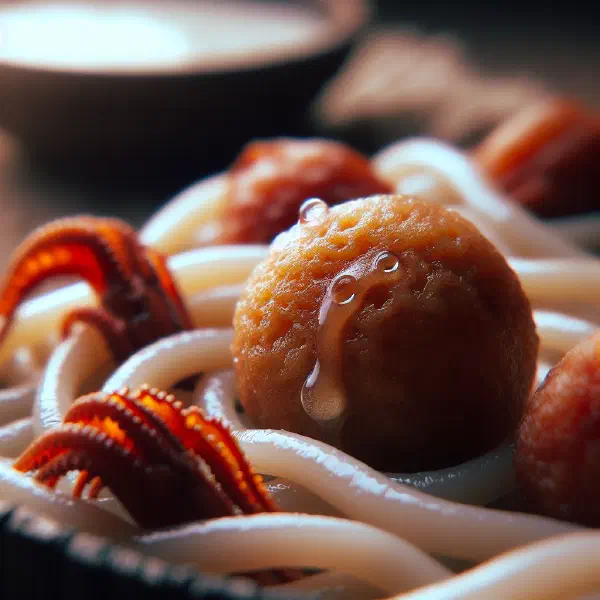
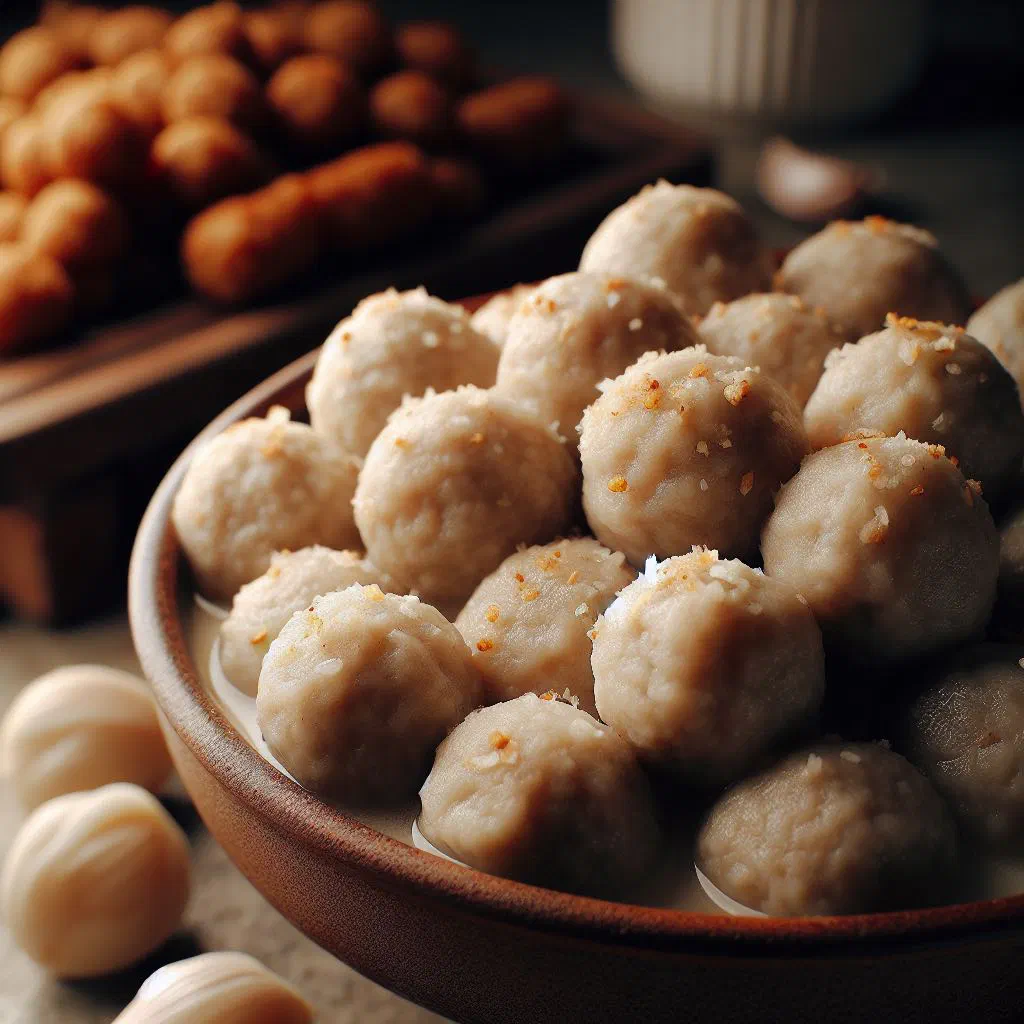
Fish balls are a much-loved culinary speciality of the Philippines, prized by locals and visitors alike. The small, round balls of fish are tasty and wonderfully adaptable. They can be served as a snack, as a main course or even dropped into a warming soup. The preparation is simple and calls for only a handful of ingredients, which makes fish balls an ideal dish for any occasion, much in the spirit of other Filipino street-food favourites such as Kwek Kwek.
Ingredients (serves 1–2)
- 300 g fish fillet (such as cod or tilapia)
- 2–3 tablespoons plain flour
- 1 egg
- 1 teaspoon garlic powder
- 1 teaspoon onion powder
- Salt and pepper, to taste
- Parsley or spring onions, to garnish
Shopping for the ingredients
The ingredients for fish balls are easy to find in most supermarkets and fishmongers. Be sure to choose fresh fish fillet, as this makes a real difference to the flavour of the finished balls. It is worth picking quality over quantity to get a truly delicious result. If you have particular dietary needs, check that the ingredients you choose suit them.
Preparing the dish
Before you start making the fish balls, it helps to get everything ready first. The fish fillet should be rinsed thoroughly and cut into small pieces to make it easier to work with. Make sure the rest of the ingredients are within reach too, so the cooking process runs smoothly.
Step-by-step instructions
- Blitz the fish fillet in a food processor to a fine, smooth paste.
- Add the flour, egg, garlic powder, onion powder, salt and pepper, then mix well.
- With damp hands, shape small balls roughly the size of a walnut.
- Drop the balls into boiling water and cook for 5–7 minutes, until they rise to the surface.
- Lift the fish balls out of the water and drain on kitchen paper.
- Serve with a chilli sauce or any dipping sauce of your choice.
Gluten-free / lactose-free version
For a gluten-free version of the fish balls, simply use rice flour or chestnut flour in place of the plain flour. These flours are naturally gluten-free and help keep the texture of the balls intact. Take care to choose lactose-free alternatives too, should you wish to avoid dairy. With these swaps in place, the flavour of the fish balls stays just as delicious.
Tips for vegans and vegetarians
For vegans and vegetarians, the fish balls can be adapted by replacing the fish with plant-based ingredients. Tofu or chickpeas, for example, can be used to form similar balls. These variations are wholesome and a great way to discover new flavour combinations. Feel free to experiment with different herbs and spices to shape the dish to your taste, much as you might with a plate of Tofu Sisig.
More tips and tricks
A common question when making fish balls is how to achieve the perfect texture. Take care not to over-blend the fish paste, so the balls stay tender and springy. Adding a little water to the mixture can also help to lighten them. Another tip is to roll the fish balls in a coating before cooking for a crisper surface.
Adapting the recipe to your taste
Everyone has different preferences when it comes to flavour and texture, so the fish balls are easy to tailor to your own liking. You might add a little chilli or ginger to the mixture, for instance, to create a spicier version.
Ingredient substitutions
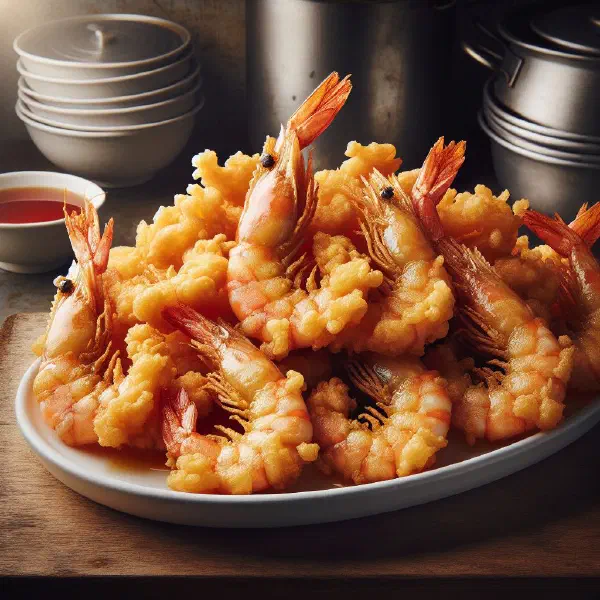
If you do not have every ingredient to hand, there are plenty of alternatives to try. In place of fish, other seafood such as prawns works beautifully for a different flavour, the same prawns that shine in Camaron Rebosado. For a coating, gluten-free panko makes a fine choice for wrapping the balls. This way the dish stays adaptable and tasty for all kinds of diets.
Drink pairing ideas
To go alongside the fish balls, fresh, light drinks are ideal. A cold beer or a tropical cocktail such as a piña colada pairs perfectly with their savoury flavours. Alcohol-free options like lemon water or a chilled iced tea are equally refreshing and complementary.
Serving and presentation ideas
Presentation can make all the difference when it comes to fish balls and whetting the appetite. Serve them in an attractive bowl, garnished with fresh herbs and a squeeze of lime juice. A few slices of cucumber or tomato on the side add a welcome splash of colour to the plate. Be sure to serve the balls at the right temperature, too, to make the most of the flavour.
A bit of history
The origins of the fish balls are bound up with the bright culture of the Philippines, where influences from Asian and Spanish cooking come together. Traditionally, fish balls are sold at street markets and have long been a favourite snack among locals and travellers alike. Over the years the dish has evolved and is now found in many variations, which is part of its enduring appeal. In the Philippines it is a cherished part of Philippine cuisine, and one that is rarely missing from festivities and gatherings, much like the ever-popular Isaw.
More recipe ideas
Summary: Fish Balls
Fish balls are a delicious and versatile snack that is easy to make at home. With fresh ingredients and a few simple steps, you can create a dish that is both tasty and satisfying. Fish balls offer an exciting taste journey into Philippine cuisine. Give them a try and let the simplicity and sheer enjoyment take you by surprise.