National Dish Philippines: Ginataang Halo-Halo (Recipe)
In this article
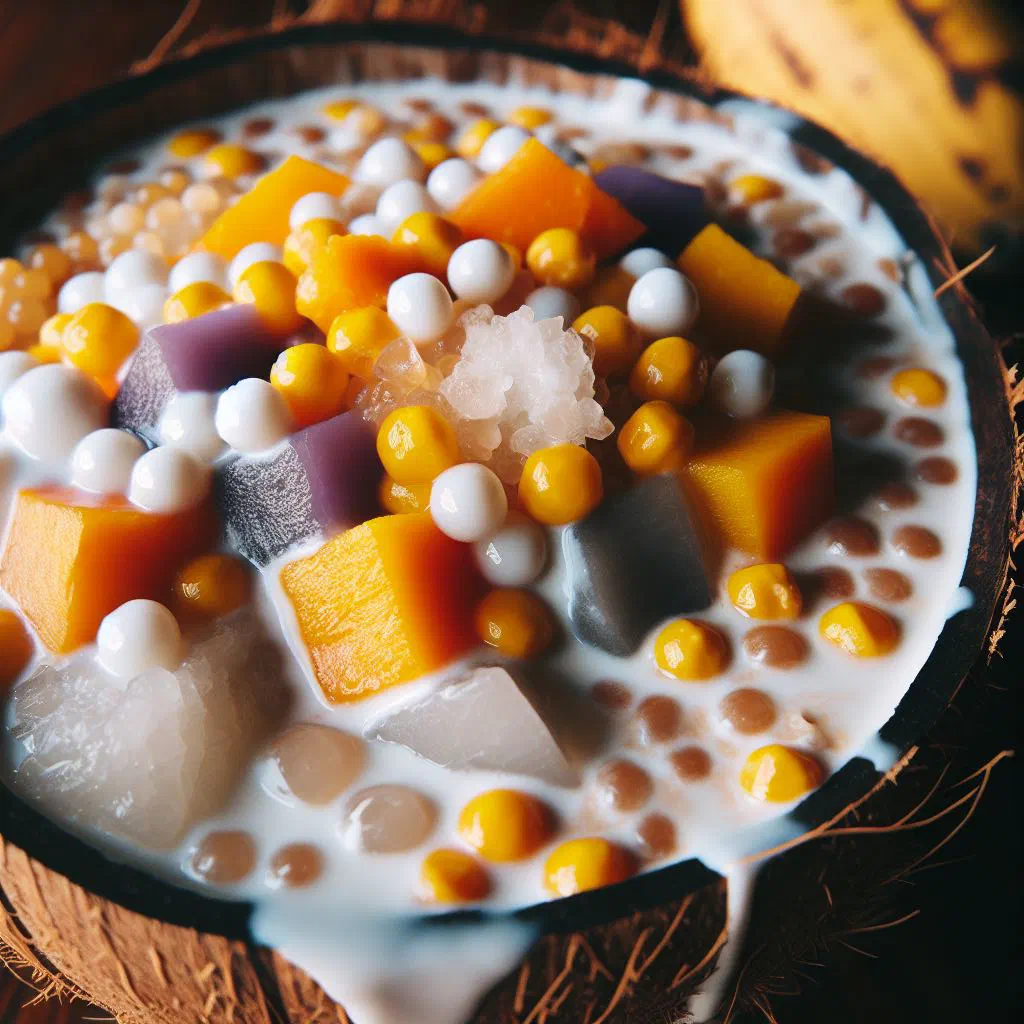
Discover Ginataang Halo-Halo, one of the most beloved sweet treats from the Philippines. This cheerful dessert brings together chewy glutinous rice, soft chunks of sweet potato and ube, and ripe tropical fruit, all gathered in a pool of warm, creamy coconut milk. Colourful, comforting and refreshing in equal measure, it is the kind of pudding that feels like a little celebration in a bowl. Perfect for a lazy afternoon or the end of a sun-drenched meal.
About Ginataang Halo-Halo
Ginataang Halo-Halo is a much-loved dessert from the Philippines that has won over countless sweet tooths. The dish stands out for its layered flavours and its bright, appealing appearance. Its main building blocks are glutinous rice, fresh fruit and especially rich coconut milk. The way these ingredients come together makes ginataang halo-halo a special indulgence and one of the best-loved puddings in Filipino cooking.
Ingredients (serves 1–2)
- 100 g glutinous rice
- 200 ml coconut milk
- 50 g sugar
- 30 g sweet potato, diced
- 30 g ube (purple yam), diced
- 30 g mango, diced
- 30 g banana, sliced
- A handful of mandarins or other sweet fruit (your choice)
Shopping for the ingredients
To make the perfect ginataang halo-halo, it pays to buy your fresh ingredients from an Asian grocery or a good market. It often helps to use a wide mix of fruit so you can vary both the flavour and the look. Be sure to pick up proper glutinous rice, as ordinary rice will not give you the chewy texture you are after. The coconut milk should also be of good quality so you get the full depth of flavour.
Preparing the dish
Getting ready for ginataang halo-halo is quite simple and takes only a few steps. First, dice the sweet potato and ube into small, even pieces so they cook through at the same rate. Next, rinse the glutinous rice thoroughly to wash away any excess starch. Having everything prepped and to hand keeps the cooking smooth and stress-free.
Step-by-step instructions
- Cook the glutinous rice in a pan with 300 ml water until soft and sticky.
- Add the sweet potato and ube and continue cooking until they too are tender.
- In a separate pan, warm the coconut milk with the sugar, stirring well until the sugar has fully dissolved.
- Tip the cooked ingredients into the coconut milk and stir everything together gently.
- Serve the dessert warm or chilled and garnish with fresh fruit to taste.
Gluten-free / lactose-free version
Happily, ginataang halo-halo is naturally gluten-free and lactose-free, as long as you check that every ingredient you use fits the bill. Despite its name, glutinous rice contains no gluten, and pure coconut milk brings the creaminess without any dairy. Make sure no gluten-containing or lactose-bearing additions sneak in, and this pudding becomes the ideal treat for anyone with food intolerances.
Tips for vegans and vegetarians
Ginataang halo-halo is a brilliant choice for vegans and vegetarians. The ingredient list contains no animal products at all, which makes it easy to fold into a plant-based diet. Reach for fresh, seasonal fruit and play with different varieties to enjoy just how versatile this dessert can be, much like the fruit-forward Buko Salad. Just double-check that the coconut milk you choose is genuinely vegan.
More tips and tricks
To get the most out of your ginataang halo-halo, try out different fruit combinations. You can also stir in extras such as grated coconut or a swirl of sweet syrup for added richness. A good trick is to bring the coconut milk up to a gentle simmer before adding the other ingredients, which helps deepen the flavours. If you prefer it cold, make sure the dessert is well chilled before serving for the most refreshing result.
Adapting the recipe to your taste
The flexibility of ginataang halo-halo lets you tailor the recipe to your own preferences with ease. Like it especially sweet? Add a little more sugar or a drizzle of syrup. If you want it fruitier, simply increase the amount of fresh fruit. Another nice touch is scattering over desiccated coconut or other toppings to add character. The possibilities are endless, leaving plenty of room to create your own personal masterpiece.
Ingredient substitutions
If you cannot track down certain ingredients for ginataang halo-halo, there are plenty of alternatives. In place of ube you could use other purple vegetables, such as purple carrots, which offer a similar colour and texture. The sweet potato can be swapped for ordinary potato, though this will change the flavour. A little creativity goes a long way, and it can be great fun to experiment with different fruit and ingredients. Just as you would when reinventing a Buko Pandan.
Drink pairing ideas
To round off the ginataang halo-halo experience, a range of drinks work beautifully. A refreshing glass of cold iced tea pairs wonderfully with this dessert. Coconut water is another excellent choice to play up the tropical feel. For an exotic twist you might whip up a fruity smoothie, which harmonises perfectly with the sweet flavours and gives your guests a combination to remember.
Serving and presentation ideas
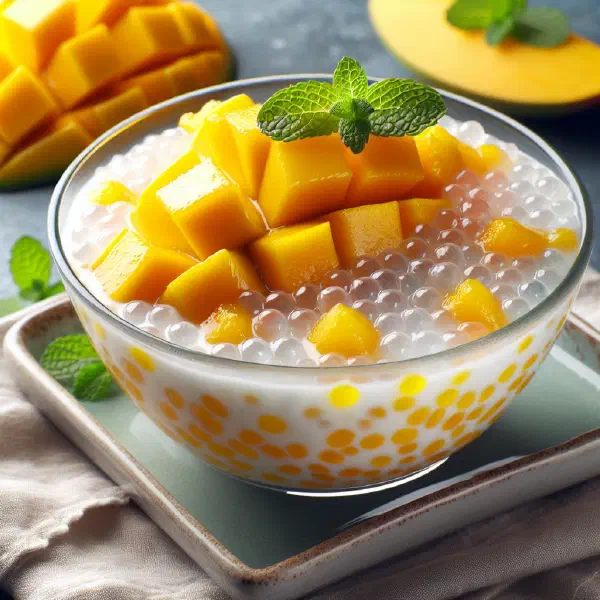
Presentation matters with a dessert like ginataang halo-halo. Use pretty, clear glasses or bowls so the colourful layers of fruit and the creamy coconut milk are on full display. Garnish with a sprig of fresh mint or a little grated coconut to finish the look. Colourful straws add to the inviting atmosphere as you serve. It is a feast for the eyes that whets the appetite.
A bit of history
The roots of ginataang halo-halo reach deep into Filipino culture and history. Once a simple country snack, it grew over the years into a national favourite enjoyed in countless regional variations across the Philippines. The use of coconut milk is a traditional element that underlines the islands’ tropical setting. Today ginataang halo-halo is served at home and in restaurants and cafés, where it is prized as a popular treat and a proud part of Filipino cuisine.
More recipe ideas
Summary: Ginataang Halo-Halo
In short, ginataang halo-halo is more than just a dessert. It is a culinary experience that captures the flavours of the Philippines. With its blend of fresh fruit and the creamy texture of coconut milk, it makes an ideal refreshment, especially on warm days. This recipe brings a slice of Filipino culture straight to your table. Give it a go and let its heavenly flavour win you over.