National Dish Philippines: Ginataang Kalabasa at Sitaw (Recipe)
In this article
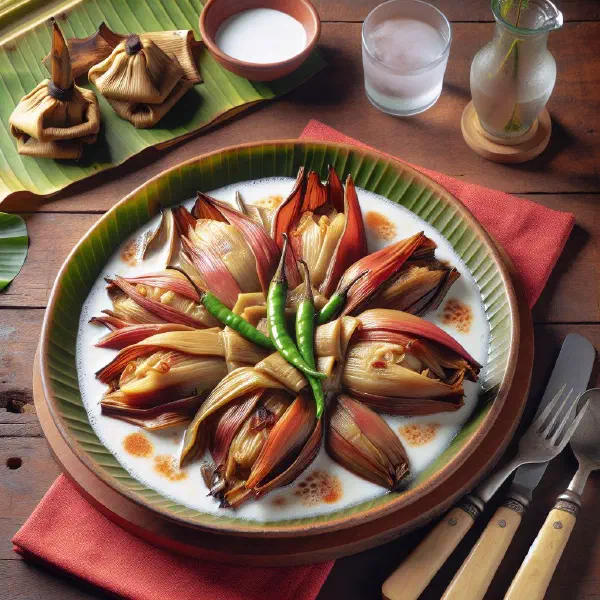
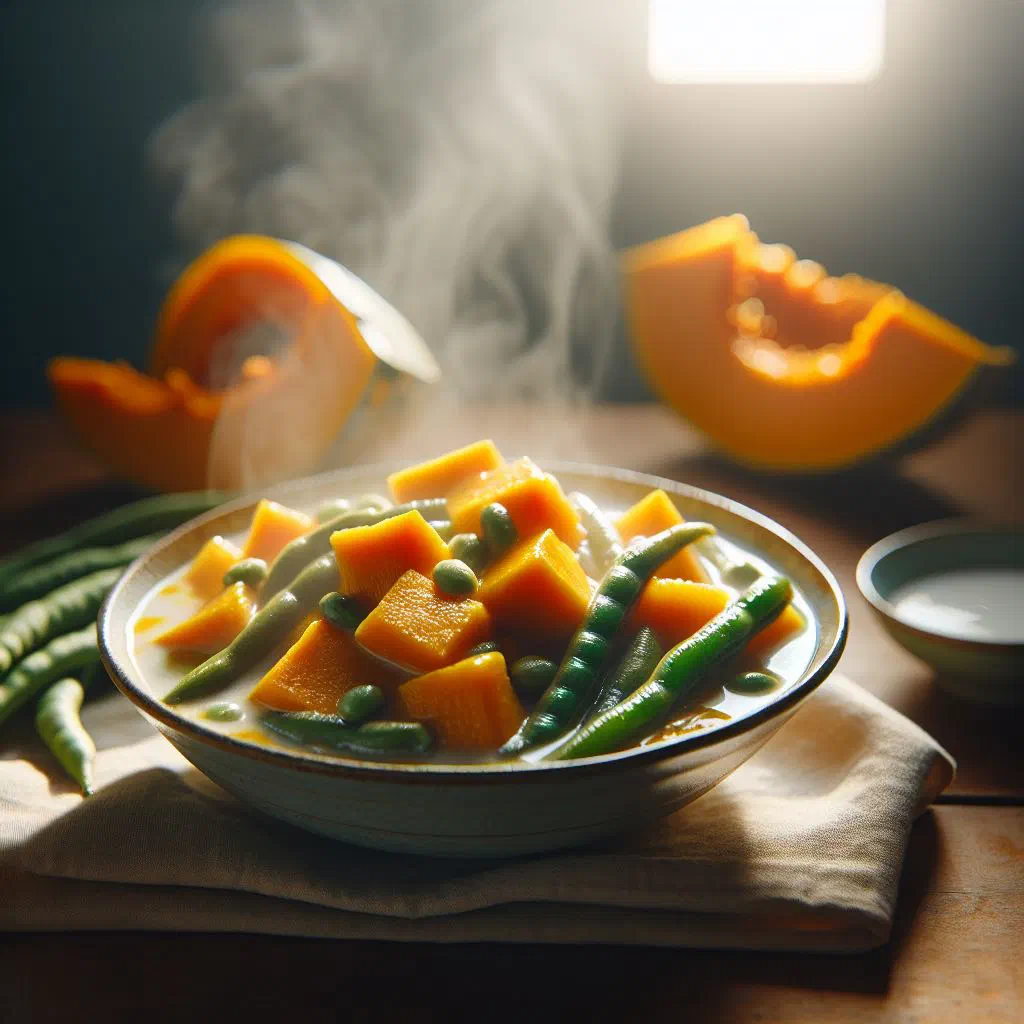
Discover Ginataang Kalabasa at Sitaw, a comforting Filipino classic that captures the tropical heart of the islands in a single pot. Tender chunks of squash and crisp green beans simmer gently in a rich, creamy coconut milk sauce, balancing natural sweetness with savoury depth. It makes a wholesome vegetarian main or a generous side, and it comes together with just a handful of fresh ingredients. Bring a taste of the Philippines straight to your own kitchen.
About Ginataang Kalabasa at Sitaw
Ginataang Kalabasa at Sitaw is a much-loved traditional Filipino dish that perfectly captures the flavours of the tropics. It pairs tender squash with green beans in a luxuriously creamy coconut milk sauce, and the meeting of sweet and savoury notes makes it a firm favourite as both a vegetarian main course and a delicious side. Beyond its taste, the dish is wholesome and nourishing, packed with subtle flavour nuances that make every mouthful feel like a small treat.
Ingredients (serves 1–2)
- 300 g squash (such as butternut or Hokkaido), peeled and diced
- 200 g green beans, trimmed
- 400 ml coconut milk
- 1 onion, chopped
- 2 cloves garlic, chopped
- 1–2 tablespoons oil, for frying
- 1 teaspoon salt
- 1/2 teaspoon pepper
- Optional: 1 teaspoon fish sauce for extra umami
Shopping for the ingredients
When shopping for the ingredients for ginataang kalabasa at sitaw, it pays to look out for the freshness of your produce. A local market is the ideal place to find fresh squash and green beans at their best. Choose a good-quality, ideally organic coconut milk to guarantee the most authentic flavour and texture. The seasonings, too, should be fresh and aromatic so the flavours of the dish really sing.
Preparing the dish
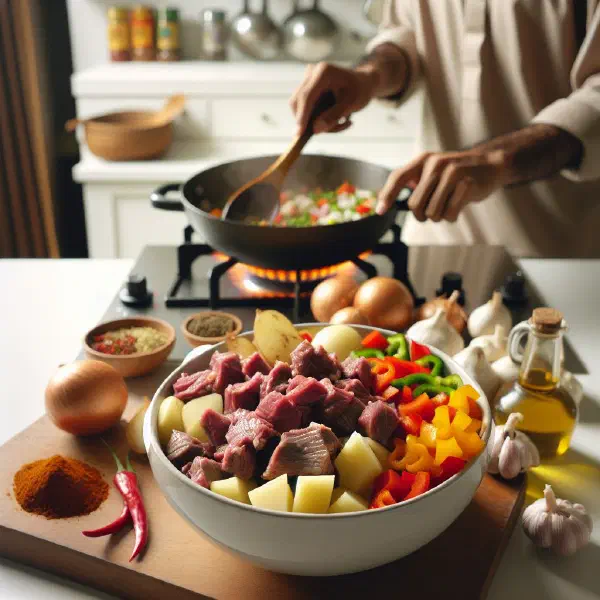
Preparing ginataang kalabasa at sitaw is straightforward and takes only a few simple steps. Begin by peeling the squash and cutting it into small cubes so the pieces cook evenly. Trim the ends from the green beans and set them aside. Finally, chop the onion and garlic, together they form the aromatic base that gives the coconut sauce its depth.
Step-by-step instructions
- Heat the oil in a large pan over medium heat.
- Add the onion and garlic and sauté for 2–3 minutes, until soft and fragrant.
- Add the diced squash to the pan and fry for around 5 minutes.
- Pour in the coconut milk and add the green beans, salt and pepper. Stir well.
- Cover the pan and let everything simmer over low heat for about 15 minutes, until the vegetables are tender.
- Serve the dish hot and enjoy the wonderful flavours.
Gluten-free / lactose-free version
Ginataang kalabasa at sitaw is naturally gluten-free and lactose-free, which makes it an ideal choice for anyone with particular dietary needs. If you are following a strict gluten-free diet, simply leave out the optional fish sauce, which can sometimes contain hidden gluten. This keeps the dish accessible to everyone who pays close attention to their diet. As a bonus, the coconut milk lends a rich, creamy texture with no need for any dairy at all.
Tips for vegans and vegetarians
This recipe is already perfectly suited to a vegan diet, as it contains no animal products of any kind. Just take care that all your ingredients, especially the coconut milk and seasonings, are of plant-based origin. If you would like to deepen the flavour even further, try adding spices such as cumin or coriander. Ginataang kalabasa at sitaw is a brilliant example of just how delicious and nourishing plant-based cooking can be, much like a comforting bowl of Ginisang Munggo.
More tips and tricks
One key tip when making ginataang kalabasa at sitaw is to avoid boiling the coconut milk too vigorously, as it can curdle. Stir the sauce regularly to stop it from catching on the bottom of the pan. You can also garnish the finished dish with fresh herbs such as basil or coriander for an extra lift of freshness. Feel free to play with the consistency too, loosening the sauce with a splash of water if it seems a little thick.
Adapting the recipe to your taste
The ingredients in ginataang kalabasa at sitaw are easy to tailor to your own preferences. Add more vegetables, such as courgette or aubergine, to make the dish even more varied. For a spicier version, stir in chilli or a dash of hot sauce. If you prefer a bolder flavour, experiment with different herbs and spices to intensify the aromas exactly to your liking, in the same generous spirit as a hearty Pinakbet.
Ingredient substitutions
If you cannot find fresh coconut milk, tinned coconut milk works almost as well. Alternatively, you could swap the coconut milk for oat or almond milk to create a slightly different flavour profile. For anyone who isn’t keen on green beans, other vegetables such as broccoli or carrots make excellent stand-ins. Just remember to make any changes gradually so you don’t upset the balance of flavours in the dish.
Drink pairing ideas
A range of drinks pairs beautifully with ginataang kalabasa at sitaw and brings out the flavours of the dish. A traditional Filipino drink such as calamansi juice offers a refreshing note that complements the coconut milk wonderfully. Alternatively, you might choose a green tea or a light white wine to round off the meal. If you fancy something alcoholic, a crisp, sparkling beer is also a great match.
Serving and presentation ideas
Thoughtful presentation can lift the whole experience of ginataang kalabasa at sitaw. Serve the dish in an attractive bowl and garnish it with fresh herbs or toasted nuts for an extra bit of crunch. Think about colour contrasts too, pairing the dish with a bright green salad or a bright side. An appealing presentation makes the food more attractive to look at and heightens the whole culinary experience.
A bit of history
Ginataang kalabasa at sitaw has its roots in Filipino cuisine, which is famed for its use of fresh, local ingredients. The coconut plays a central role in many dishes across the Philippines and reflects the country’s lush, tropical landscape. This dish reveals the blend of Asian and European influences that have merged within Filipino gastronomy over the centuries. It is delicious and a mirror of the country’s rich cultural diversity, a hallmark you’ll taste throughout Philippine cuisine.
More recipe ideas
Summary: Ginataang Kalabasa at Sitaw
In short, ginataang kalabasa at sitaw is a delicious and nourishing dish that captures the flavours of the Philippines. It stands for the variety of its ingredients and the creative artistry of Filipino cooking. It is simple to prepare and offers a truly distinctive taste experience. Dare to take this tour into the tropics and savour everything this comforting dish has to offer.