National Dish Philippines: Ginisang Munggo (Recipe)
In this article
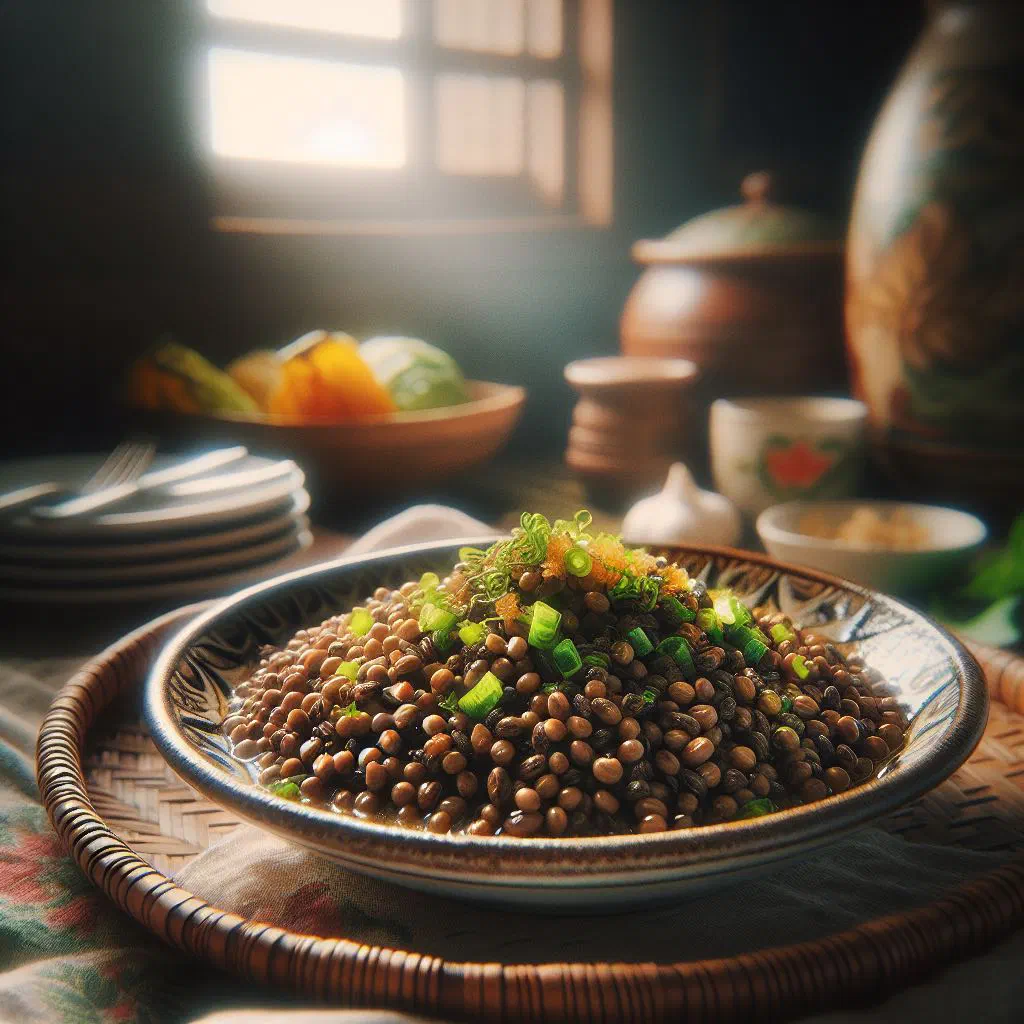
Meet Ginisang Munggo, a humble yet deeply comforting mung bean stew from the Philippines. Simmered until tender and brightened with garlic, onions and leafy greens, it is the kind of homely dish that turns an ordinary weeknight into something nourishing and warm. Hearty, wholesome and endlessly adaptable, it has long been a fixture on Filipino tables for both everyday meals and gatherings with family and friends.
About Ginisang Munggo
Ginisang Munggo is a much-loved Filipino dish built around mung beans, prized for its savoury flavour and its nourishing qualities. It is a simple but genuinely nutritious dish that is often served alongside clear, step-by-step instructions, making it accessible to cooks of every level. In Philippine kitchens it is widely regarded as comfort food, equally at home as a satisfying lunch or a relaxed dinner. Ginisang Munggo also carries cultural weight and frequently appears at special occasions and on holidays.
Ingredients (serves 1–2)
- 1 cup mung beans
- 1 onion, diced
- 2 cloves garlic, chopped
- 2 cups water
- 200 g spinach or other leafy greens
- 2 tablespoons oil
- Salt and pepper to taste
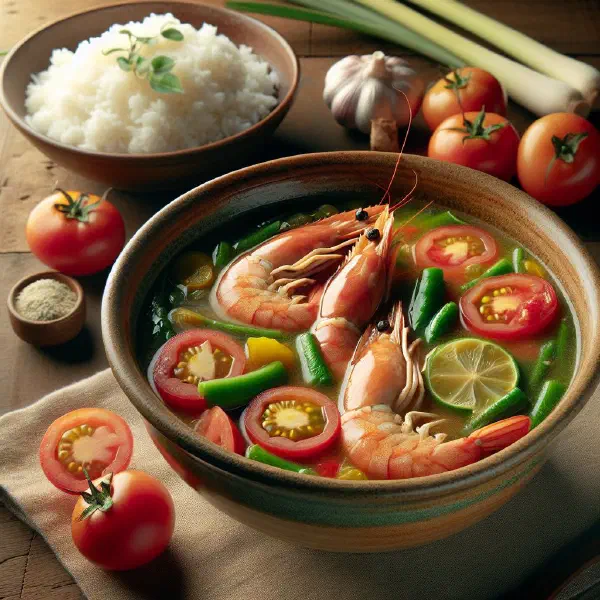
- Optional: prawns or meat (such as pork)
Shopping for the ingredients
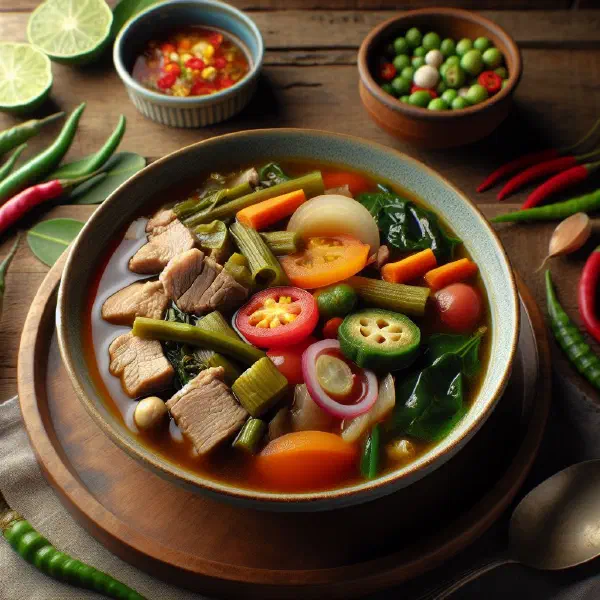
To make Ginisang Munggo you need only relatively simple ingredients, most of which are easy to find in any well-stocked supermarket or Asian grocery. Mung beans are usually sold dried and should be soaked overnight before cooking. Fresh staples such as onions, garlic and leafy greens are essential for building the depth of flavour that defines the dish. If you would like to add animal protein, be sure to choose fresh, good-quality options, much as you would for a hearty bowl of Sinigang.
Preparing the dish
Before you start cooking, it pays to get all your ingredients ready. The mung beans should be soaked overnight to shorten the cooking time and make their nutrients easier to absorb. Dice the onions and chop the garlic finely so they release their full aroma as they fry. Have your greens of choice, spinach or another leafy vegetable, washed and prepared so they can be stirred in at just the right moment.
Step-by-step instructions
- Drain the soaked mung beans and tip them into a pot with 2 cups of water.
- Bring the beans to the boil, then lower the heat and simmer for about 30 minutes until soft.
- In a separate pan, heat the oil and sauté the onions and garlic until golden brown.
- Add the cooked mung beans to the onion and garlic mixture and stir to combine well.
- Stir in the spinach or other leafy greens and simmer for a further 5 minutes.
- Season with salt and pepper to taste, adding meat or prawns if you wish.
Gluten-free / lactose-free version
Ginisang Munggo is naturally gluten-free and generally contains no lactose, unless animal products are added. For a fully gluten-free version, make sure that every ingredient, particularly any spices or stock, is free from gluten-containing components. If you are watching your lactose intake, you can still enjoy this delicious dish to the full by leaving out animal products or reaching for lactose-free alternatives. That makes it an ideal choice for anyone managing food allergies.
Tips for vegans and vegetarians
Ginisang Munggo adapts beautifully to vegan and vegetarian diets. To create a wholesome plant-based meal, leave out the meat or prawns and add extra vegetables or tofu instead. The pairing of mung beans and greens delivers plenty of protein, which is especially valuable for those following a vegan diet. A splash of soy sauce or a good vegetable stock will add an extra layer of savoury flavour. For another comforting meat-free option, try Pinakbet.
More tips and tricks
One important tip is always to soak the mung beans thoroughly, which helps them cook evenly and turn pleasantly soft. You can also make the dish creamier and more flavourful by stirring in a little coconut milk. To deepen the flavour further, add chilli or other spices to taste. Above all, keep your ingredients fresh and of good quality to get the very best from every pot.
Adapting the recipe to your taste
The flexibility of Ginisang Munggo means you can easily tailor it to your own preferences. Like it spicier? Add fresh chillies or a pinch of chilli flakes. Prefer more vegetables? Experiment with different leafy greens or even root vegetables. Varying the spices is another simple way to nudge the flavour exactly where you want it.
Ingredient substitutions
If you find yourself short of an ingredient, there are plenty of alternatives to fall back on. In place of mung beans you might use lentils or black beans, though this will change the flavour and texture of the dish. For a gluten-free soy sauce, reach for tamari. You can also swap fresh spinach for frozen leafy greens, which are more convenient and keep for longer.
Drink pairing ideas
To round off the authentic Filipino experience, serve a well-matched drink alongside. A refreshing ginger ale or a gentle iced tea makes an excellent companion. Traditional Filipino choices such as a chilled San Miguel beer can also pair wonderfully. For an alcohol-free option, a glass of fresh mango juice is just the thing.
Serving and presentation ideas
To present Ginisang Munggo attractively, use colourful plates and garnish the dish with fresh herbs such as coriander or parsley. Serve it in deep bowls to show off the colours and textures. Another nice touch is a squeeze of lemon juice or a drizzle of chilli sauce, which adds both colour and flavour. Thoughtful presentation is the key to showing your guests just how much care went into the dish.
A bit of history
Ginisang Munggo has a long tradition in Philippine cooking, rooted in local conditions where mung beans have long been an important source of nourishment. The use of beans is widespread across Asian kitchens, yet Ginisang Munggo stands apart through its method of preparation and its distinctly Filipino seasonings. Historically it was often cooked by families for special occasions and holidays, as the act of preparing it symbolised community and celebration. Today it can be found throughout the Filipino diaspora, a testament to its enduring popularity within Philippine cuisine.
More recipe ideas
Summary: Ginisang Munggo
In short, Ginisang Munggo is a tasty and nourishing dish that is easy to prepare and remarkably adaptable. It reflects the warm, communal spirit of Filipino cooking and offers a wealth of variations to suit different dietary needs. Vegan or vegetarian, Ginisang Munggo is a dish that everyone can enjoy. With the right preparation and presentation, it becomes a real highlight on your table.