National Dish Philippines: Halo-Halo (Recipe)
In this article
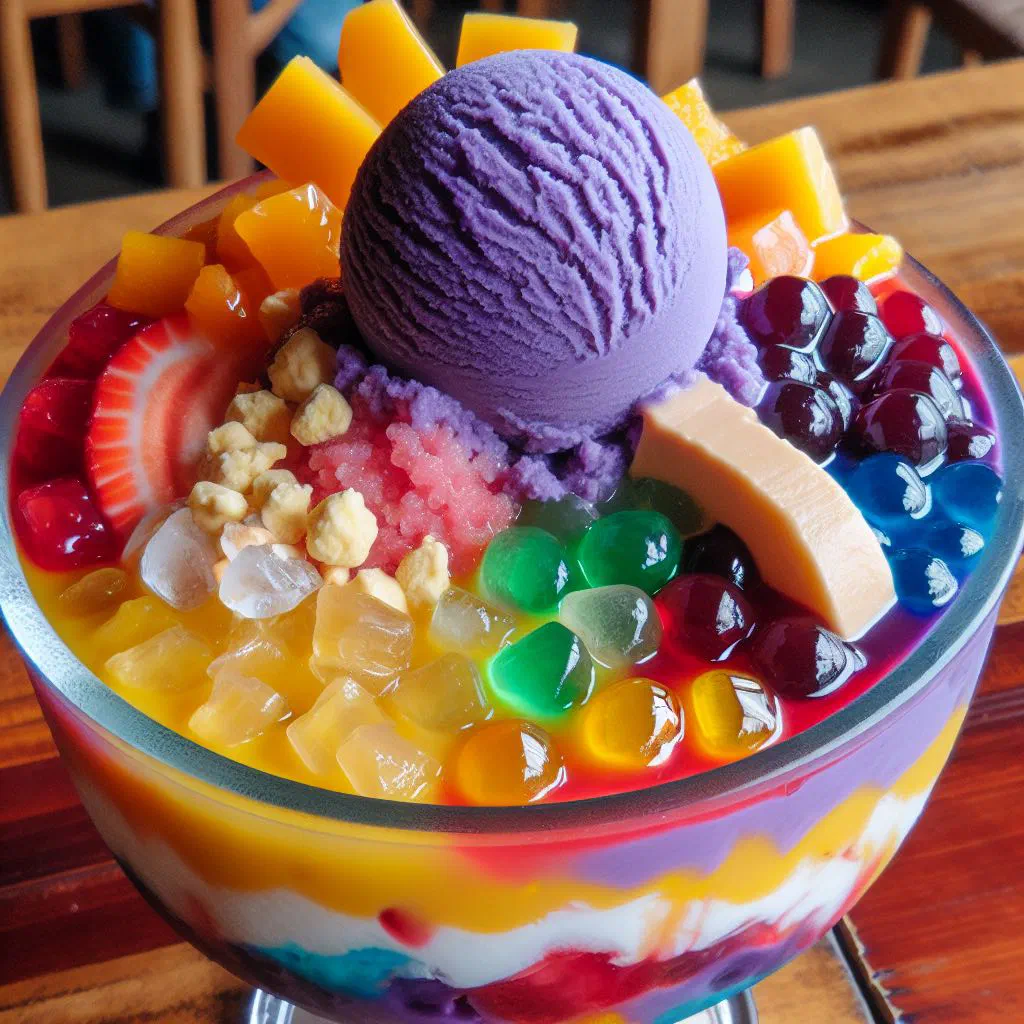
Cool off with Halo-Halo, the much-loved dessert that captures the spirit of the Philippines in a single glass. This colourful treat brings together shaved ice, sweet beans, tender root vegetables and a tumble of tropical fruit, all crowned with creamy milk and, if you like, a scoop of ice cream. The name itself means “mix-mix”, and that is exactly the joy of it, stirring the layers together until every spoonful is a refreshing surprise. There is no better way to beat the heat on a sweltering afternoon.
About Halo-Halo
Halo-Halo is a traditional Filipino dessert that strikes a perfect balance between refreshing and indulgent. It is a popular treat, especially in the warmer months, and is often regarded as a symbol of Philippine culture. The name “Halo-Halo” literally means “mix” or “to mix together”, a nod to the way the individual components are combined to create one wonderfully unique flavour. At its heart lies a generous variety of fruit, sweets and milk, so there really is something here for every palate. Like the best of Philippine cuisine, it celebrates abundance, colour and texture in equal measure.
Ingredients (serves 1–2)
- 1 cup crushed or shaved ice
- 1/2 cup sweet potato, cooked and diced
- 1/2 cup kidney beans, cooked
- 1/2 cup yellow mung beans, cooked
- 1/2 cup fresh fruit (e.g. banana, mango)
- 1/4 cup taro, cooked and diced
- 1/4 cup coconut milk
- 1–2 tablespoons sweetened condensed milk
- 1 scoop ice cream (optional, to garnish)
Shopping for the ingredients
Most of the ingredients for Halo-Halo can be found in Asian supermarkets or well-stocked grocery shops. The more specialist items in particular, such as coconut milk and the various beans, are usually available in the Asian section. Fresh fruit can be chosen according to the season and your own taste, with exotic options like mango or jackfruit lending the dessert an especially fragrant note. It is worth comparing prices on the staples, as buying the beans and tinned milk in larger quantities often works out cheaper.
Preparing the dish
Before you start assembling your Halo-Halo, it is important to get all the components ready. Cook the sweet potato, taro and beans in advance so they are cooled and waiting when you come to layer the dessert. Likewise, wash the fruit and cut it into bite-sized pieces depending on the variety. The preparation can take a little time, but the anticipation of such a refreshing result makes the effort more than worthwhile.
Step-by-step instructions
- Begin with a layer of crushed ice in a large bowl or a tall glass.
- Spoon the prepared sweet potato, beans and taro evenly over the ice.
- Add the fresh fruit, arranging it according to taste and what you have to hand.
- Pour over the coconut milk and the sweetened condensed milk for the all-important sweetness.
- If you like, finish the halo-halo with a scoop of your favourite ice cream.
- Use a spoon or a long stirrer to gently mix everything together before serving.
Gluten-free / lactose-free version
Halo-Halo is naturally gluten-free, as none of the main components contain any wheat. To make the dessert lactose-free too, simply reach for a plant-based sweetened condensed milk. Coconut milk is an excellent alternative that is lactose-free and adds a delicious tropical flavour. That way, anyone with a lactose intolerance can still enjoy this classic Filipino dessert without missing out.
Tips for vegans and vegetarians
A vegan version of halo-halo is easy to put together. Swap the sweetened condensed milk for a plant-based alternative made from almonds, oats or soya. Be sure to check any other components, such as the ice cream, to confirm they contain no animal products. With just a few small adjustments, vegans can enjoy all the pleasures of this beloved dessert, much like the dairy-free spirit of Ginataang Bilo Bilo.
More tips and tricks
For a particularly eye-catching Halo-Halo, have some fun with the presentation. Use clear glasses or bowls so the colourful layers are on full show and the dessert looks very good. A scattering of fresh mint leaves adds both freshness and colour. Experiment with different textures and flavours by adding extra sweet touches such as nuts or dried fruit to create your own variations on the theme.
Adapting the recipe to your taste
Halo-Halo is wonderfully easy to tailor to personal preference. As the range of possible components is practically limitless. Play with different combinations of fruit and sweets to craft a dessert that is entirely your own.
Ingredient substitutions
If you happen to be missing certain ingredients for your Halo-Halo, there are plenty of alternatives to call on. In place of sweet potato, try pumpkin or even pineapple for a different flavour. If you have no fresh chopped fruit to hand, frozen or dried fruit makes a fine stand-in. This kind of flexibility, the same that shines in a fruity Buko Salad, keeps the preparation creative without tying you to any single ingredient.
Drink pairing ideas
A refreshing drink rounds off the Halo-Halo experience beautifully. Coconut water, freshly pressed mango juice or a simple iced tea all make wonderful companions to this dessert. A classic Filipino drink such as Gulaman At Sago can also be served alongside for an extra layer of flavour. These drinks are delicious and refreshing additions that bring out the cool, fruity notes of the halo-halo.
Serving and presentation ideas
An attractive presentation can make the Halo-Halo even more of a treat. Use large, clear containers to put those colourful layers on display. Decorative details, such as wooden or bamboo spoons, add to a more authentic experience. For the finishing touch, scatter over edible flowers or fresh fruit, which lend the dessert extra colour and underline its wonderful variety of flavours.
A bit of history
Halo-Halo has its roots in the era of Spanish colonial rule in the Philippines, when locals began mixing and combining different ingredients. Originally the dish was conceived as a simple way to use up leftovers, and over the years it grew into a much-loved dessert. The sheer variety of its components reflects the rich culture and many gastronomic influences found across the Philippines. Today, halo-halo is regarded as one of the country’s best-known and most beloved desserts.
More recipe ideas
Summary: Halo-Halo
Halo-Halo is more than just a dessert; it is a celebration of flavours and textures that beautifully reflects the culture of the Philippines. With its colourful jumble of ingredients, it is a refreshing treat that can be adapted with ease to suit individual tastes. Whether for a festive gathering or simply as a sweet pick-me-up between meals, halo-halo appeals to locals and visitors alike. Give it a try and let this delicious experience sweep you away.