National Dish Philippines: Hardinera (Recipe)

In this article
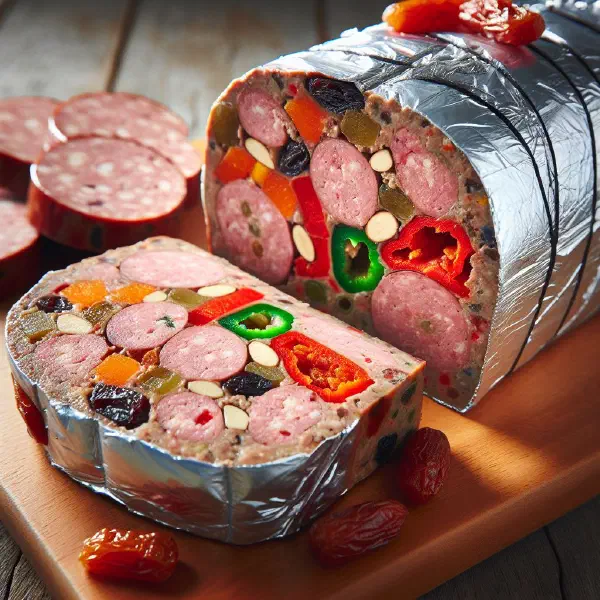
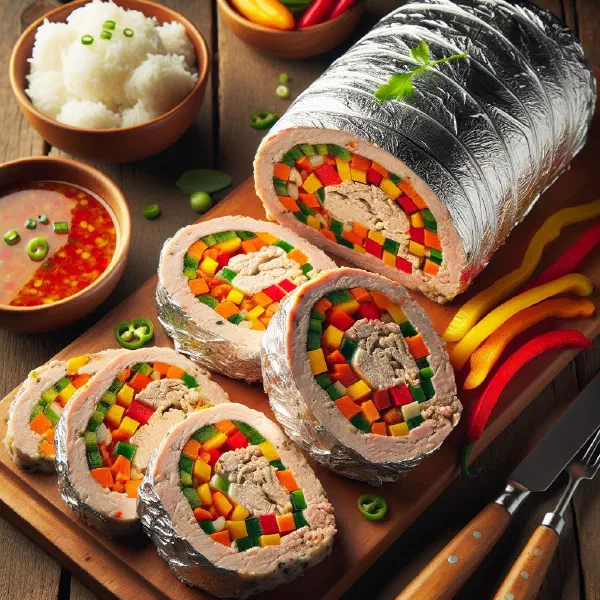
Meet Hardinera, a festive Filipino meatloaf that brings the whole table together. This colourful bake layers seasoned minced meat with sweet vegetables and a savoury custard of eggs and milk, all set in a mould until golden. It is the sort of dish that turns up at fiestas and family gatherings, where its juicy texture and harmonious flavours make it a real showstopper. Bring a taste of a Filipino celebration straight to your own kitchen.
About Hardinera
Hardinera is a traditional Filipino dish that takes pride of place at festive occasions. It is a delicious blend of minced meat, vegetables and aromatic seasonings, baked together in a mould. This distinctive method of preparation gives the dish a wonderfully juicy texture and draws the different flavours into one harmonious whole. Hardinera is as much a feast for the eyes as it is for the palate, which makes it perfectly suited to sociable, celebratory meals. Like much of Philippine cuisine, it carries a warm sense of togetherness in every slice.
Ingredients (serves 1–2)
- 200 g minced meat (beef or pork)
- 1 small onion, finely chopped
- 1 carrot, diced
- 1/2 cup peas
- 2 eggs
- 1/2 cup milk
- 2 tablespoons soy sauce
- Salt and pepper, to taste
- Oil, for frying
- A few bay leaves
Shopping for the ingredients
The ingredients for hardinera are easy to track down in most Asian grocery shops. A few key items, such as soy sauce and assorted Asian seasonings, are also stocked in the international aisle of many supermarkets. It is worth choosing fresh vegetables and good-quality meat to get the very best flavour. Remember to look out for a suitable baking mould too, one that fits neatly inside your own oven.
Preparing the dish
Preparing hardinera is quick and refreshingly straightforward. Start by washing and chopping all the ingredients thoroughly to make the cooking process easier. The minced meat can be marinated well to deepen the flavour, so adjust the seasoning to suit your taste. Prepare the baking mould too, greasing it lightly before you spoon in the mixture. This ensures even baking and lets you turn the dish out cleanly.
Step-by-step instructions
- Heat a little oil in a pan and sauté the chopped onion until translucent.
- Add the minced meat and fry until cooked through.
- Stir in the diced carrot and the peas, and cook together for a few minutes.
- In a bowl, combine the eggs, milk, soy sauce, salt and pepper, and whisk well.
- Pour the egg mixture over the meat and vegetables in the prepared mould.
- Decorate with bay leaves and bake in a preheated oven at 180 °C for about 30–40 minutes, until the surface is golden brown.
Gluten-free / lactose-free version
Hardinera is easy to make gluten-free and lactose-free with a few simple swaps. Use gluten-free soy sauce in place of the regular kind so the dish suits anyone with a gluten intolerance. For a lactose-free version, plant-based milk works beautifully as an alternative to dairy.
Tips for vegans and vegetarians
There are plenty of ways to adapt hardinera for vegans and vegetarians. Instead of minced meat, reach for plant-based proteins such as tofu or soya mince to achieve a similar texture. You can also fold in a variety of vegetables, courgette, peppers and mushrooms all work well, to enrich the flavour. Be sure to replace the eggs with a suitable plant-based binder such as chia or linseed, so the ingredients still hold together neatly.
More tips and tricks
To get the most out of your hardinera, keep a few practical tips in mind. Cut the ingredients to an even size so everything cooks at the same rate. Let the dish rest briefly after baking before you turn it out of the mould. This helps the structure settle and firm up. To intensify the flavours, you can even leave it overnight in the fridge and gently reheat it the next day.
Adapting the recipe to your taste
The versatility of hardinera makes it easy to tailor to personal preference. If you like things hotter, simply add a few chilli flakes or some fresh chillies. The choice of meat can vary too, opening up different flavour experiences. Try chicken or even seafood, much as you might in a Chicken Embutido.
Ingredient substitutions
If certain ingredients are hard to find, you can happily turn to alternatives. Poultry or even pulses can stand in for the minced meat to keep the dish protein-rich, in the spirit of a hearty Embutido. For a more concentrated flavour, frozen peas often beat fresh ones, as they are usually harvested and frozen at their peak. Leave no ingredient untried as you put together your own personal hardinera.
Drink pairing ideas
A range of drinks pairs wonderfully with hardinera. A light, cooling option such as a fresh mango juice complements the savoury flavours perfectly. A well-chilled beer also rounds the meal off nicely. For something a little more refined, serve a classic Filipino buko juice (coconut water), which is as refreshing as it is wholesome, the same coconut note you will find in a Buko Salad.
Serving and presentation ideas
Thoughtful presentation can lift the whole hardinera experience. Serve the dish straight from its mould for a rustic look. Finished with fresh herbs such as parsley or coriander, it becomes both appetising and inviting. Add colourful sides, steamed vegetables or a small salad, to brighten the plate and complement the flavours.
A bit of history
The roots of hardinera run deep into Philippine cuisine. Historically it was a much-loved dish, often prepared for special occasions and family celebrations. It reflects the influence of Spanish colonisation alongside local wholefoods, a meeting of worlds that gives it its distinctive combination of flavours. Hardinera is not merely a meal but a cultural symbol of togetherness and of celebrating with loved ones, a sentiment it shares with festive favourites like Kaldereta.
More recipe ideas
Summary: Hardinera
Hardinera is an exceptional dish from the Philippines, one that feels festive yet brings just as much joy to an everyday table. The combination of juicy meat, fresh vegetables and aromatic seasonings enchants every palate. With a few simple tweaks, the recipe can be made to suit special dietary needs too. Let hardinera inspire you and discover the delicious flavours of the Philippines for yourself.