National Dish Philippines: Igado (Recipe)
In this article
Say hello to Igado, a richly savoury stew from the northern Philippines that turns tender pork and beef into something truly memorable. Built on a glossy soy sauce base and layered with aromatics, this dish hails from the Ilocos region, where it has long graced the table at feasts and special gatherings. Hearty, deeply flavoured and surprisingly straightforward to make, it is a wonderful way to bring a taste of Filipino home cooking into your own kitchen.
About Igado
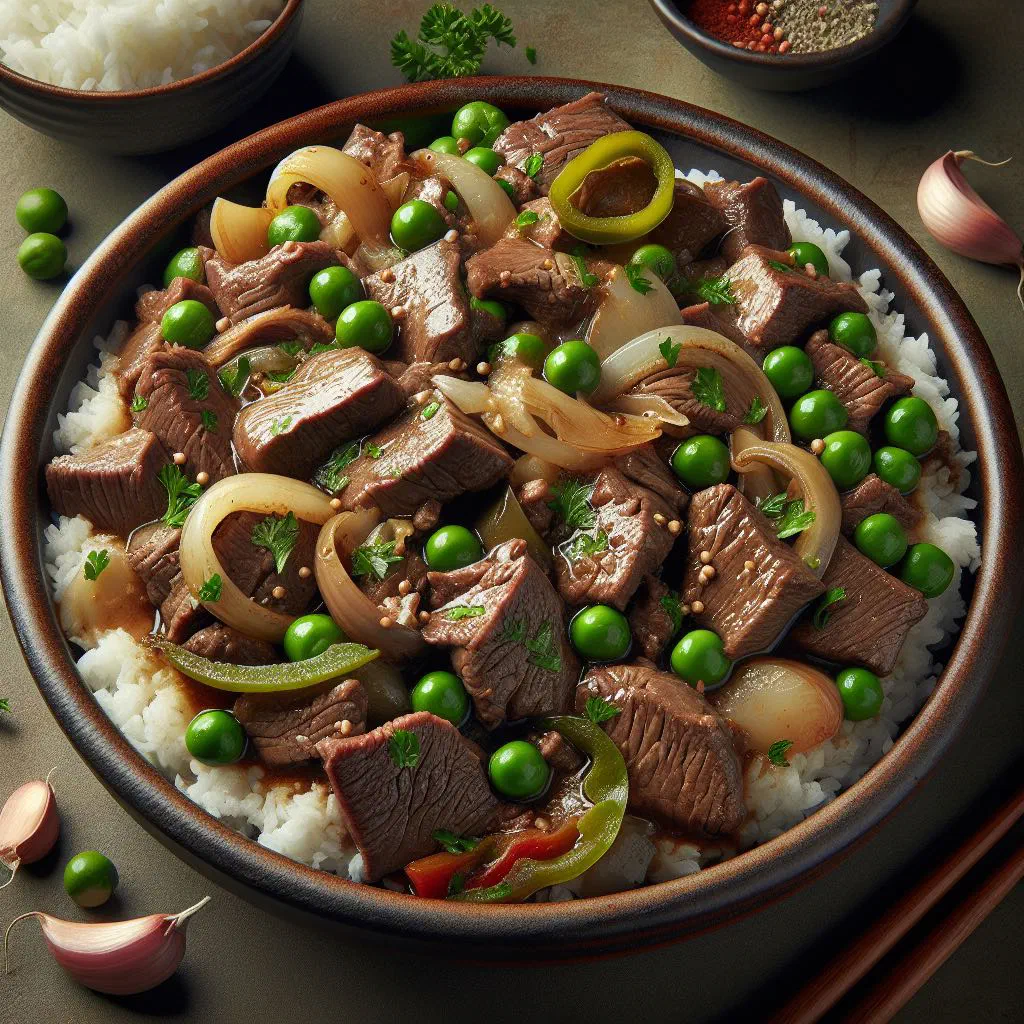
Igado is a traditional Filipino dish celebrated for its rich, rounded flavours. It brings together tender pork and beef with a distinctive soy sauce base and a generous handful of aromatic seasonings. The dish has its origins in the Ilocos region and is often served at special occasions and festivals. The way the ingredients meld together creates a depth of flavour that is hard to beat, making igado a firm favourite among lovers of Philippine cuisine.
Ingredients (serves 1–2)
- 200 g pork, diced
- 200 g beef, diced
- 1 onion, diced
- 3 cloves garlic, chopped
- 1/2 cup soy sauce
- 1/2 cup water
- 1 bay leaf
- 1/2 cup peas
- 2 tablespoons vegetable oil
- Salt and pepper to taste
Shopping for the ingredients
To make igado well, it is worth using fresh ingredients. Visit a local butcher for the meat to be sure of the best quality. Most of the other ingredients, soy sauce, seasonings and vegetables, are easy to find in any well-stocked supermarket. If you have an Asian grocery nearby, that is often the best place to track down authentic products for cooking Filipino dishes, much as you would for a classic Adobo-style braise.
Preparing the dish
Before you start cooking igado, it pays to get all your ingredients ready. Cut the meat into even cubes and chop the vegetables so that everything cooks at a consistent rate. This bit of groundwork is the key to a smooth, unhurried cooking process later on. Make sure all your ingredients are within easy reach before the pan goes on the heat.
Step-by-step instructions
- Heat the vegetable oil in a large pan over medium heat.
- Add the onion and garlic and fry until golden brown.
- Add the pork to the pan and sauté until lightly browned.
- Stir in the beef and cook for a further 5 minutes.
- Pour in the soy sauce and water, then drop in the bay leaf.
- Let everything simmer over low heat until the meat is tender.
- Add the peas and cook for another 3 minutes.
- Season the dish to taste with salt and pepper.
Gluten-free / lactose-free version
To make a gluten-free version of igado, simply swap the soy sauce for a gluten-free soy sauce. Many Asian grocers stock special gluten-free options that taste remarkably similar, and tamari is another excellent choice for gluten-free cooking. When preparing the dish, take care to check the oil and seasonings as well to keep it completely free of gluten. The recipe is naturally lactose-free, so no further changes are needed there.
Tips for vegans and vegetarians
A vegan or vegetarian igado is perfectly possible. Just replace the meat with tofu or seitan. These alternatives soak up the savoury flavours beautifully and give a similar texture to the finished dish. The method stays much the same, though you will want to shorten the cooking time, as tofu and seitan come up to temperature more quickly. Use vegetable stock in place of the water to lend the dish even more depth of flavour.
More tips and tricks
One useful tip is to marinate the meat in soy sauce before you start, which builds even more flavour into the dish. You can also tailor it by adding extra vegetables such as carrots or peppers. For a more intense result, let the stew simmer for longer so the seasonings have time to spread through every mouthful and the flavours deepen.
Adapting the recipe to your taste
Igado is easy to adjust to suit different palates. Experiment with seasonings such as star anise or ginger to create new flavour directions. You can turn up the heat by adding fresh chillies, or vary the amount of soy sauce to your liking. As an adventurous cook, you can put your own stamp on the dish without losing sight of the traditional base recipe.
Ingredient substitutions
If some ingredients are not to hand, there are always alternatives. Soy sauce can be replaced with coconut aminos or a homemade stock. For a sharper note, a splash of red wine vinegar works nicely, the same trick that lifts a Kaldereta. The vegetables can vary too, so feel free to choose fresh, seasonal options that you enjoy, just as you might for a comforting Pochero.
Drink pairing ideas
A few drinks pair especially well with igado and round out the experience. A cold San Miguel beer or a refreshing Filipino iced tea goes wonderfully with this hearty dish. If you prefer something non-alcoholic, fresh coconut water or ginger tea make ideal companions. The aim is to choose a drink that complements the flavours of igado in harmony rather than overpowering them.
Serving and presentation ideas
You can lift the presentation of igado with fresh herbs such as coriander or parsley. Serving it in a traditional Filipino bowl adds a touch of authenticity, while a side of freshly steamed rice makes the colours and textures more inviting. A thoughtful arrangement of the ingredients can even sharpen your guests’ appetites before the first bite.
A bit of history
Igado has its roots in the culture of the Ilocano, an ethnic group in the northern Philippines. Originally prepared as a festive dish, it reflects the bounty and richness of the Filipino landscape. Historically, igado has stood as a symbol of community and celebration. The recipe has evolved across the generations, yet its deep cultural roots have remained firmly in place, much like other regional classics such as Bistek Ilonggo.
More recipe ideas
Summary: Igado
Igado is a true gem of Filipino cooking, winning hearts with its combination of tender meat and aromatic seasonings. The dish is simple to prepare and easy to adapt to your own preferences. It works just as well for special occasions as for an everyday meal. Let the variety and rich flavours of igado inspire you, and bring a little taste of the Philippines into your own kitchen.