National Dish Philippines: Inihaw na Isda (Recipe)
In this article
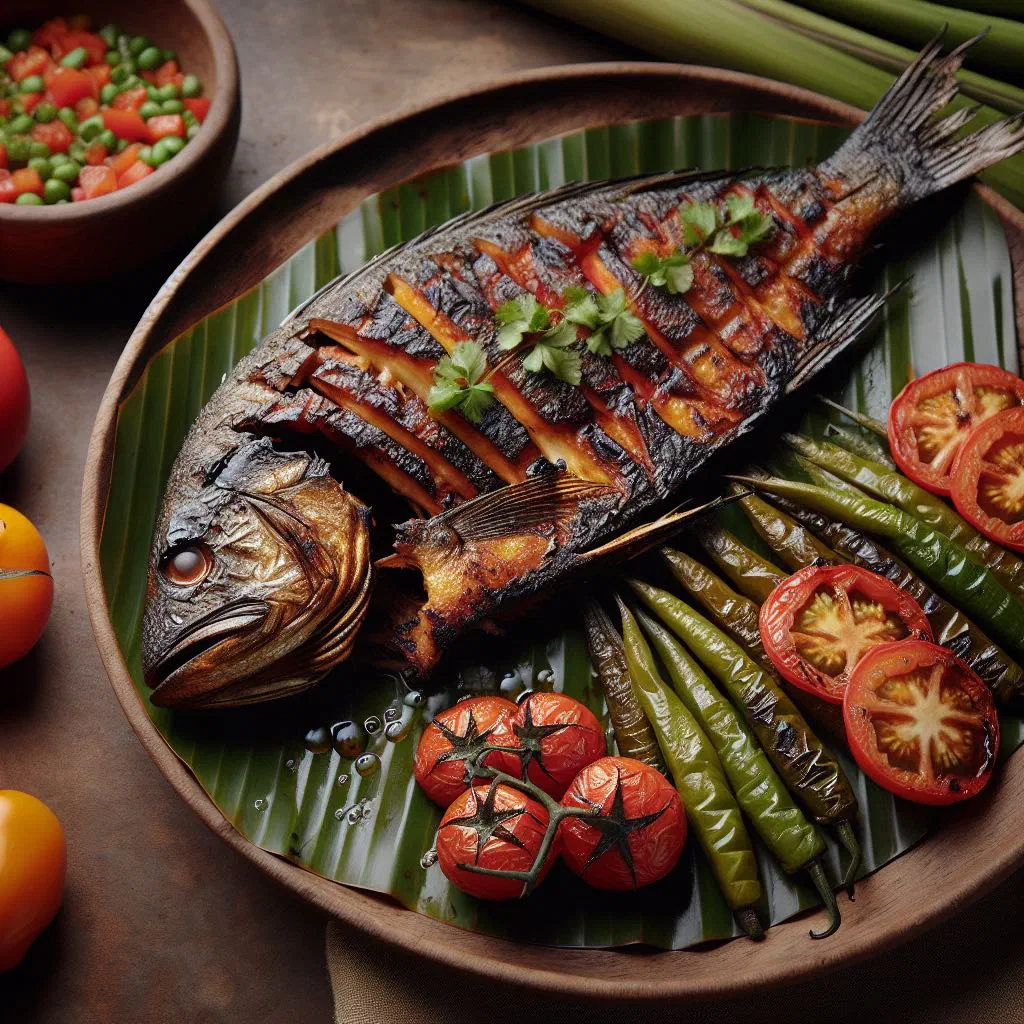
Discover Inihaw na Isda, the Philippines’ much-loved grilled fish that turns a simple catch into something memorable. A whole fish is bathed in a tangy marinade of soy sauce, calamansi and aromatics, then grilled over hot coals until the skin crisps and the flesh stays juicy. Smoky, citrusy and deeply savoury, it is the dish that anchors family gatherings and weekend barbecues across the islands. Bring the flavours of a Filipino inihawan straight to your own backyard.
About Inihaw na Isda
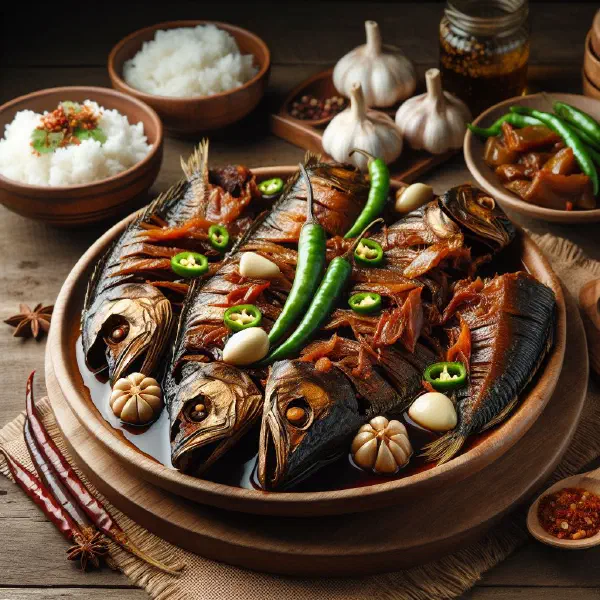
Inihaw na Isda is a beloved grilled fish dish from the Philippines, prized for its bright flavours and its wonderfully simple preparation. At its heart is a whole fresh fish marinated in a spicy, tangy mixture of soy sauce, vinegar or citrus and a handful of aromatics, then grilled until the edges char and the inside turns flaky and tender. The exact make-up varies from region to region and household to household, yet the principle stays the same. Enjoyed both as everyday fare and at festive occasions, it makes every meal feel like a celebration.
Ingredients (serves 1–2)
- 1 whole fish (tilapia, bangus/milkfish or red snapper), cleaned
- ¼ cup soy sauce
- 2–3 tablespoons calamansi or lemon juice
- 4 garlic cloves, minced
- 1 thumb-sized piece of ginger, sliced
- 1 small onion, sliced
- 1 tomato, quartered
- Salt and pepper to taste
- Vegetable oil, for brushing
- Banana leaf, for grilling (optional)
Shopping for the ingredients
The ingredients for inihaw na isda are easy to find in most supermarkets and Asian grocery shops. Look for a whole fresh fish at the fishmonger’s counter, choosing one with clear eyes and firm flesh, while soy sauce and citrus sit in the everyday aisles. Try to source calamansi if you can, the small Filipino citrus gives the most authentic tang, though lemon or lime work well too. Fresh garlic, ginger and ripe tomatoes round out the flavour and make the dish truly shine.
Preparing the dish
Preparing inihaw na isda takes just a little groundwork. Start by rinsing the fish thoroughly and scoring the flesh diagonally on both sides so the marinade soaks right through. In a bowl, combine the soy sauce, calamansi juice, minced garlic, ginger and a pinch of salt and pepper, then coat the fish inside and out. Leave it to marinate in the fridge for at least 30 minutes, or several hours for a deeper flavour. Meanwhile, stuff the cavity with sliced onion and tomato to keep the fish moist as it grills.
Step-by-step instructions
- Lift the marinated fish from the marinade and let it drain briefly.
- Preheat the grill or barbecue to a medium-high heat and brush the grate with oil.
- Wrap the fish loosely in a banana leaf, or place it directly on the grate if you prefer crispier skin.
- Grill for around 6–8 minutes on each side, basting now and then with the reserved marinade.
- Cook until the skin is charred and the flesh flakes easily with a fork.
- Season to taste and serve hot, with extra calamansi on the side.
Gluten-free / lactose-free version
Inihaw na isda is easy to make gluten-free by swapping ordinary soy sauce for a gluten-free tamari, now widely available in supermarkets and offering much the same savoury depth. The dish is naturally lactose-free, which makes it an excellent choice for anyone who avoids dairy. Just double-check that every ingredient you use meets the relevant gluten-free or lactose-free standard, especially bottled sauces.
Tips for vegans and vegetarians
For a vegan or vegetarian take, replace the fish with thick slabs of firm tofu or king oyster mushrooms, which take on the smoky char beautifully. Marinate them just as you would the fish, then grill until golden and lightly crisp at the edges. The preparation stays the same, and the tangy marinade brings every bit as much flavour. It is a lovely way to enjoy the taste of inihaw without any animal products, much like a plant-based Tofu Sisig.
More tips and tricks
A key tip for inihaw na isda is to baste the fish often while it grills, which keeps the flesh moist and helps the flavours build. Grilling over real charcoal gives that unmistakable smoky aroma, but a hot griddle pan works in a pinch. A squeeze of fresh calamansi just before serving lifts everything and adds a pleasant brightness. Leftovers, if there are any, are delicious flaked into rice the next day.
Adapting the recipe to your taste
Inihaw na isda is wonderfully adaptable and easy to tailor to personal preference. Add sliced chillies to the marinade if you like it hotter, or hold back on the citrus for a milder, more savoury result. Some cooks brush on a little extra soy sauce towards the end for a glossier finish, while others tuck lemongrass into the cavity for fragrance. Experiment with different aromatics to find your own signature version.
Ingredient substitutions
If certain ingredients are not to hand, there are plenty of easy swaps. Lemon or lime juice stands in nicely for calamansi, and tamari replaces soy sauce for a gluten-free version. Any firm, fresh fish works in place of tilapia, milkfish, snapper or even mackerel all grill well, just as bangus does in Inasal na Bangus. Garlic powder can fill in for fresh garlic when you are short on time. These substitutions help you adapt the recipe to what is in season or to your own taste.
Drink pairing ideas
A range of drinks pairs beautifully with inihaw na isda and complements its smoky, tangy notes. A cold Filipino beer such as San Miguel or Red Horse is the classic match for a backyard grill. For a non-alcoholic option, chilled coconut water or fresh calamansi juice keeps things refreshing. Wine lovers might reach for a crisp Sauvignon Blanc, which balances the savoury fish without overpowering it.
Serving and presentation ideas
Presentation can lift the whole inihaw na isda experience. Serve the whole grilled fish on a banana leaf or a wide platter and garnish with fresh tomatoes, sliced onion and a scattering of spring onions. A small bowl of soy-and-calamansi dipping sauce, or a tangy sawsawan, sits perfectly alongside. Steamed rice and a few wedges of calamansi complete the spread and make the dish look as inviting as it tastes.
A bit of history
Grilling is one of the oldest cooking methods in the Philippines, and inihaw dishes have a deep place in the country’s food culture. The word inihaw simply means “grilled,” while isda means “fish,” reflecting an island nation where fresh seafood has always been central to daily life. Cooking over open fire on the beach or in the backyard remains a cherished social ritual, bringing families and neighbours together. This humble, smoky dish is a wonderful example of Philippine cuisine at its most honest and flavourful.
More recipe ideas
Summary: Inihaw na Isda
In short, inihaw na isda is more than just grilled fish; it is a culinary experience that captures the flavour and warmth of the Philippines. With its smoky char, bright citrus tang and savoury marinade, it is an absolute treat for the senses. It brings people together around the table. Let this Filipino classic inspire you and give it a try, your taste buds will thank you.