National Dish Philippines: Kadyos, Baboy, at Langka (Recipe)
In this article
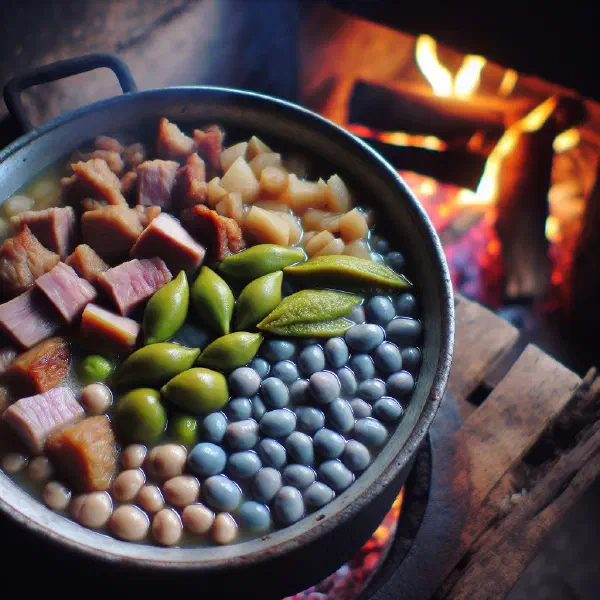
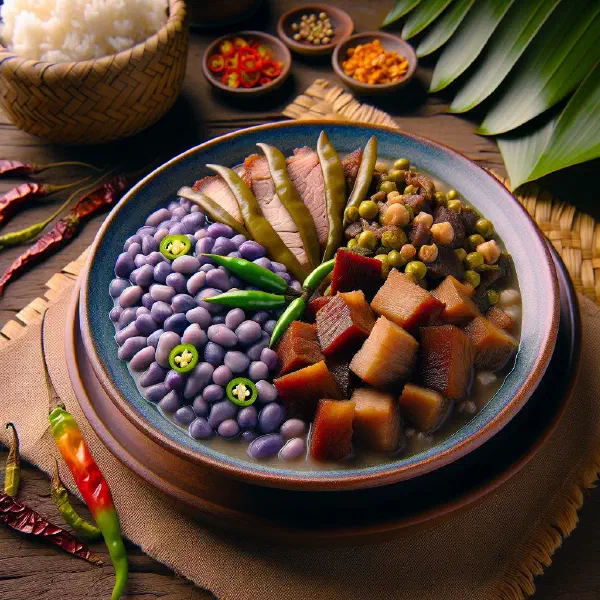
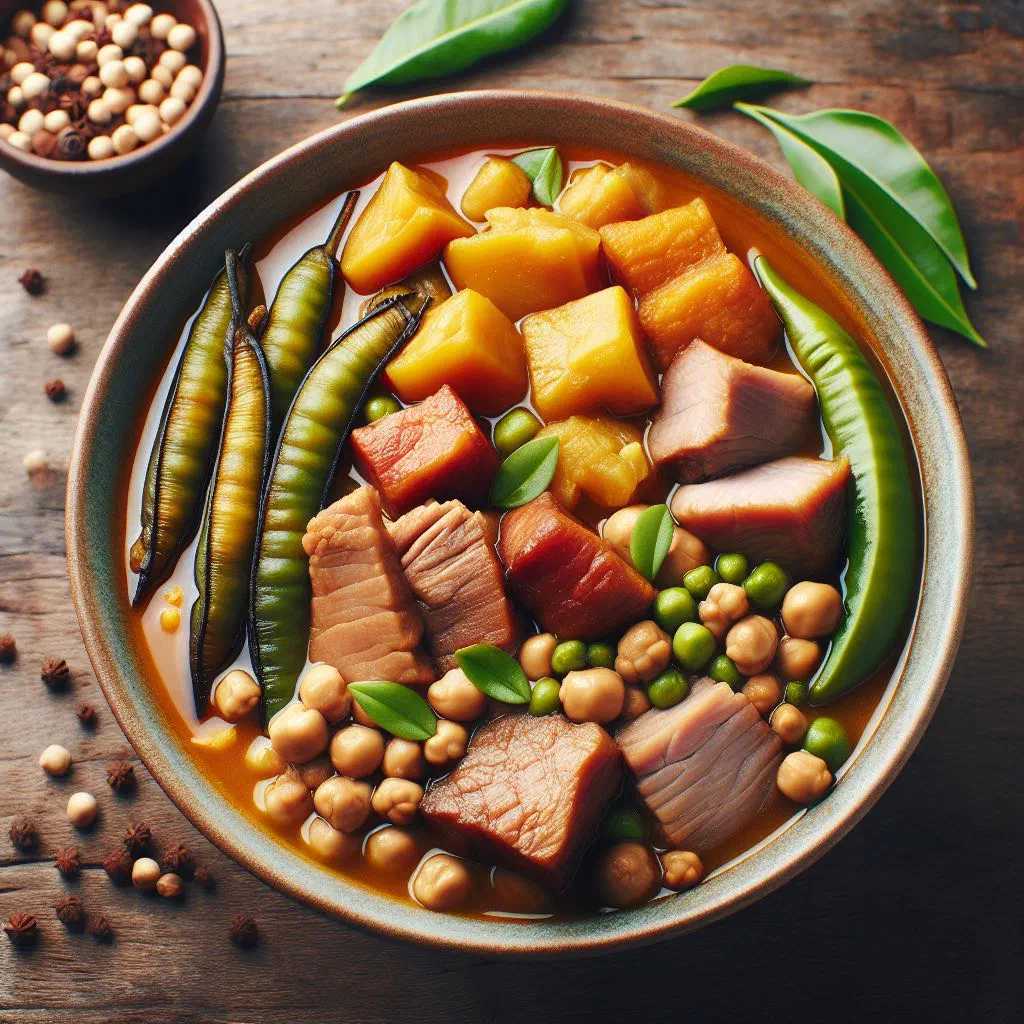
Say hello to Kadyos, Baboy, at Langka, a soul-warming pork stew from the heart of the Philippines. This hearty bowl brings together tender pork, earthy pigeon peas and sweet, tender chunks of jackfruit in a rich, comforting broth. Found at Sunday lunches and family celebrations across the islands, it is the kind of dish that fills both stomach and spirit. Bring a taste of Filipino home cooking straight to your own kitchen.
About Kadyos, Baboy, at Langka
Kadyos, Baboy, at Langka hails from the Philippines and is a dish prized for its hearty texture and its distinctive flavour. In many Filipino households it appears at festive gatherings or as the centrepiece of a Sunday meal. The pairing of pork with fresh, wholesome ingredients makes it as nourishing as it is delicious. Every spoonful is a little journey through the flavours of the islands, carrying you straight into the warmth of local kitchens.
Ingredients (serves 1–2)
- 300g pork (such as shoulder or belly)
- 1 cup kadyos (pigeon peas)
- 1 cup langka (jackfruit), cut into chunks
- 1 onion, diced
- 2 cloves garlic, chopped
- 2 green chillies
- 1 litre water or stock
- Salt and pepper, to taste
- Fresh coriander (optional, to garnish)
Shopping for the ingredients
To make Kadyos, Baboy, at Langka, start by gathering everything on your shopping list. Most of the ingredients, the pork, kadyos and langka, can be found in a well-stocked Asian grocery or at a local market. Choose fresh, good-quality produce to get the very best flavour. In many areas the pigeon peas are also sold tinned or frozen, which makes for a handy, time-saving option.
Preparing the dish
To prepare Kadyos, Baboy, at Langka, it is important to wash and ready all the ingredients carefully. Begin by cutting the pork into bite-sized pieces. Chop the onion and garlic to release their aromas. The green chilli can be left whole or sliced, depending on how much heat you fancy. The langka should be cut into small pieces so it cooks through nicely in the broth, much as the jackfruit does in a Ginataang Langka.
Step-by-step instructions
- In a large pot, sauté the pork with the onion and garlic until lightly browned.
- Pour in the water or stock and bring to the boil.
- Add the kadyos and chillies, lower the heat and let it simmer for 30–40 minutes.
- Add the langka to the pot and cook for a further 10 minutes, until everything is tender.
- Season with salt and pepper, garnish with coriander if you like, and serve.
Gluten-free / lactose-free version
Kadyos, Baboy, at Langka is naturally gluten-free and lactose-free. Just make sure any stock you use contains no gluten-bearing ingredients. The generous amount of water in this recipe makes it easy to adapt for anyone with a gluten or lactose intolerance. That way everyone can enjoy the delicious flavours of Filipino cooking without a second thought about what is in the bowl.
Tips for vegans and vegetarians
For a vegan or vegetarian take on Kadyos, Baboy, at Langka, swap the pork for tofu or tempeh. These meat alternatives offer a similar texture and soak up the flavours of the broth beautifully. In place of fish or meat stock, reach for a good vegetable stock to round out the taste. The kadyos and langka stay just as they are, lending the dish its wholesome, satisfying body.
More tips and tricks
One key tip for Kadyos, Baboy, at Langka is to season the broth generously. Those aromas give the dish an extra layer of depth. Cooking time matters too: a gentle simmer keeps the pork tender and lets the flavours seep into the other ingredients. After cooking, let the stew rest for a few minutes before serving so all the flavours have time to settle and bloom.
Adapting the recipe to your taste
Kadyos, Baboy, at Langka is easy to tailor to your own preferences. Add more or less of any ingredient depending on what you enjoy most. You might fold in extra vegetables such as carrots or potatoes to make the dish even more filling. Experiment with different spices or herbs to give the stew your own personal stamp, a flexible approach that sits right at home in Filipino cuisine.
Ingredient substitutions
If you cannot find kadyos (pigeon peas), black beans or red lentils make a fine alternative source of protein. For the langka (jackfruit), fresh pineapple or pears bring a similar gentle sweetness. The pork swaps easily for other meats such as chicken, giving the stew a subtly different character, much like the lighter touch you find in a Tinola. Substitutions like these keep the recipe varied and full of interest.
Drink pairing ideas
A range of drinks pairs nicely with Kadyos, Baboy, at Langka, each complementing its hearty flavour. A refreshing hibiscus drink makes a lovely partner that lends the meal a festive feel. A simple glass of cold water or a fruity cocktail also works well to support the flavours of the stew. The right choice comes down to your own taste and the preferences of your guests.
Serving and presentation ideas
Presentation can lift the whole Kadyos, Baboy, at Langka experience. Serve the stew in a large, attractive bowl and garnish it with fresh coriander and a few extra chillies for a decorative touch. Use appealing plates and dishes to let the flavours shine all the more. You might also pair the dish with a thoughtful table setting to create a celebratory mood for special occasions.
A bit of history
Kadyos, Baboy, at Langka carries a history rooted deep in Filipino culture. It is often made in rural regions, where fresh ingredients are plentiful. The dish reflects the traditional cooking techniques and the reliance on local produce that are so central to Filipino cooking. It is more than just food. It is a symbol of hospitality and love, treasured at special gatherings.
More recipe ideas
Summary: Kadyos, Baboy, at Langka
Kadyos, Baboy, at Langka is more than just a dish; it is an experience that captures the flavours and culture of the Philippines. It brings together hearty meat, nourishing seeds and sweet fruit in a delicious broth that appeals to the senses. Whether at a relaxed family gathering or a celebration, this stew is sure to spark warm, sociable moments. Give it a try and let this taste of the islands win you over.