National Dish Philippines: Kakanin Bilog (Recipe)
In this article
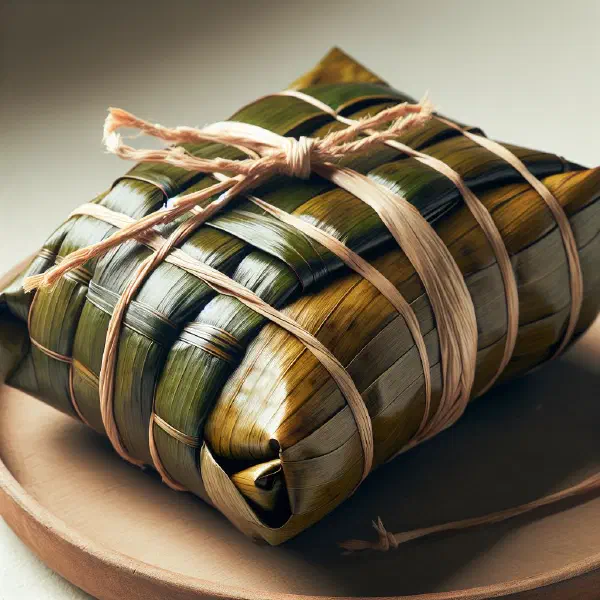
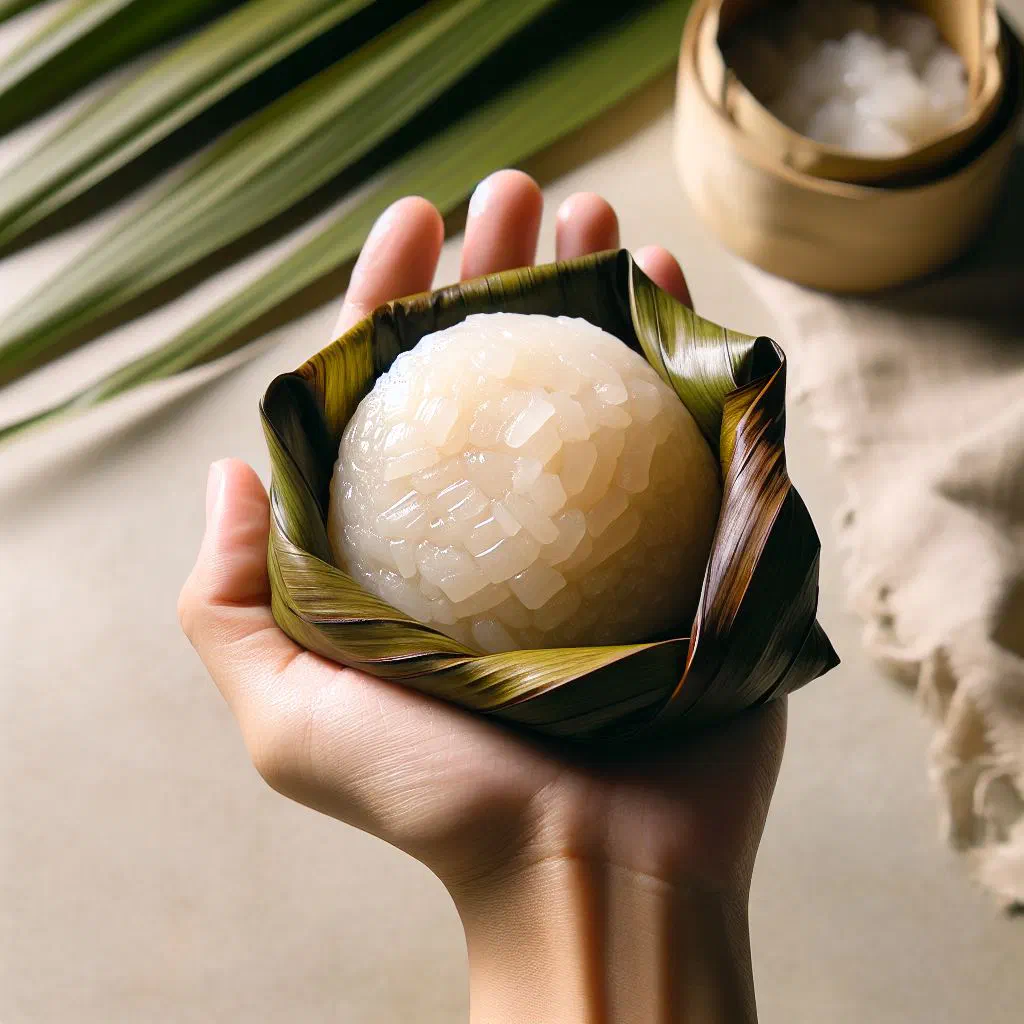
Meet Kakanin Bilog, a charming little sweet from the heart of Filipino kitchens. These soft, chewy rice dumplings are made from glutinous rice and gently sweetened with coconut and sugar, giving every bite a comforting, fragrant richness. Traditionally shared at celebrations and family gatherings, they carry a real sense of togetherness and heritage. Steamed until tender and often wrapped in banana leaves, this good treat brings a taste of the Philippines straight to your table.
About Kakanin Bilog
Kakanin Bilog is a traditional Filipino dessert that wins people over with its distinctive texture and its sweet fillings. Made from glutinous rice, it is a treat for the palate and an important part of Philippine culture. It is often served at festive occasions and has grown into a symbol of togetherness and tradition. With its pairing of coconut and sugar, every portion becomes a small celebration for the senses.
Ingredients (serves 1–2)
- 1 cup glutinous rice
- 1/2 cup water
- 1/4 cup coconut milk
- 2 tablespoons sugar
- A pinch of salt
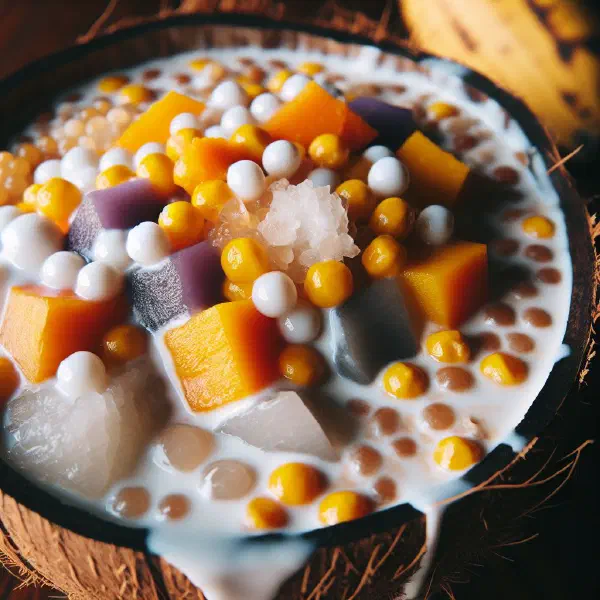
- Optional: sweet beans or fruit filling
Shopping for the ingredients
To make Kakanin Bilog, you will need a selection of fresh, good-quality ingredients. Glutinous rice is the main component and can be found easily in most Asian supermarkets. Be sure to choose fresh coconut milk for the very best flavour. Sugar and salt are everyday basics that you will already have in any kitchen. Much like the soft cakes in Puto, the quality of your rice makes all the difference.
Preparing the dish
Preparing Kakanin Bilog is simple and straightforward, which makes it an ideal dessert for any occasion. Begin by soaking the glutinous rice in water for at least 4 hours, ideally overnight. This ensures it turns lovely and soft and sticky. Make sure all the other ingredients are ready to hand too, so the whole process runs smoothly from start to finish.
Step-by-step instructions
- Drain the soaked glutinous rice and tip it into a bowl.
- Add the water, coconut milk, sugar and salt, then mix together well.
- Divide the mixture into small portions and add sweet fillings to taste.
- Place the portions onto banana leaves or into small dishes.
- Steam for about 30 minutes, until the dumplings are firm.
- Once steamed, remove them and let them cool before serving.
Gluten-free / lactose-free version
Kakanin Bilog is traditionally made from glutinous rice, which is naturally gluten-free. Using coconut milk instead of cow’s milk also makes it lactose-free. That means this dessert is well suited to anyone with dietary restrictions. Just take care that any fillings or extra ingredients you use are also free from gluten and lactose.
Tips for vegans and vegetarians
Kakanin Bilog is naturally vegan, as long as no animal products are used in the fillings. In place of sugar, you can also reach for plant-based sweeteners to refine the dessert. Sweet beans or fresh fruit make excellent fillings for vegans looking for a little extra goodness. Always check your ingredients before buying to be sure they are vegan-friendly.
More tips and tricks
To achieve the perfect texture for Kakanin Bilog, it is important to use the right amount of water. Experiment with the quantity of coconut milk to get exactly the flavour you are after. Steaming is the crucial step, so make sure the steamer is properly heated before you begin. Serve the dumplings warm for the very best eating experience.
Adapting the recipe to your taste
Kakanin Bilog is easy to tailor to personal preference. If you like it sweeter, add more sugar, or try out different fillings such as chocolate chips or fresh fruit. You can also experiment with various spices to refine the flavour. For more sweet inspiration, the gentle flavours of Maja Blanca are well worth a look.
Ingredient substitutions
If you cannot find glutinous rice, you can also use other kinds of rice flour to achieve a similar result. For a healthier twist, try agave syrup or honey in place of sugar. The fillings can vary too: think nuts, jam or even savoury versions with vegetables. Your creativity is limited only by what you have to hand, the same playful spirit that shines in Palitaw.
Drink pairing ideas
Kakanin Bilog goes wonderfully with fresh fruit juices or coconut water, both of which complement the dessert’s sweet notes. Traditionally, Filipino drinks such as arnibal, a sweet sugar syrup, are also served alongside. Iced tea or a light herbal tea can make a refreshing addition as well. Experiment with different drinks to find the perfect pairing for your dessert.
Serving and presentation ideas
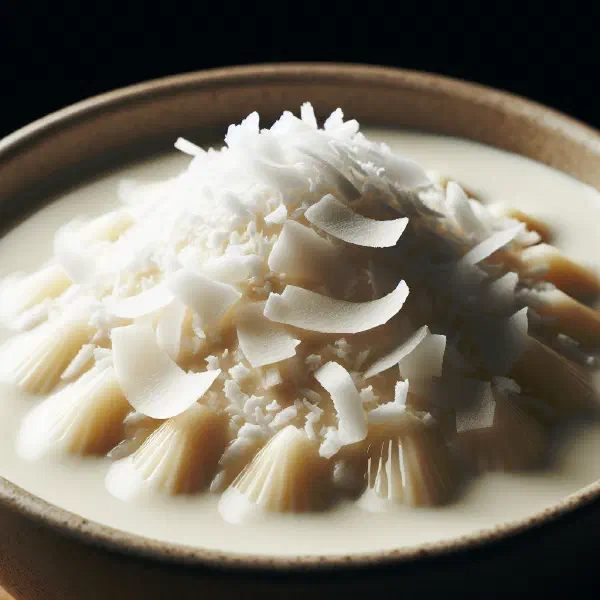
To present Kakanin Bilog attractively, use traditional banana leaves as a base. These provide a lovely splash of colour and lend the dish a little extra flavour. Decorate the dumplings with desiccated coconut or fresh fruit to lift their appearance. A beautiful presentation turns any meal into a special occasion.
A bit of history
Kakanin Bilog has a long tradition in Filipino cuisine and is often served at festive occasions. It has its origins in the rural regions and was traditionally prepared as a celebration dessert. Making and sharing Kakanin Bilog strengthens the social bonds within communities. It symbolises a quiet feast and the culture and identity of the Filipino people, a thread that runs through so much of Filipino cuisine.
More recipe ideas
Summary: Kakanin Bilog
Kakanin Bilog is a delicious and traditional Filipino dessert that appeals to with its soft, sticky rice dumplings and sweet fillings. It is a treat for the palate and an important part of the cultural identity of the Philippines. Even as you make it, the tradition behind this lovely dish comes to life. Whether for a celebration or simply to enjoy, Kakanin Bilog is a delicious choice that is sure to win everyone over.