National Dish Philippines: Kare-Kare (Recipe)
In this article
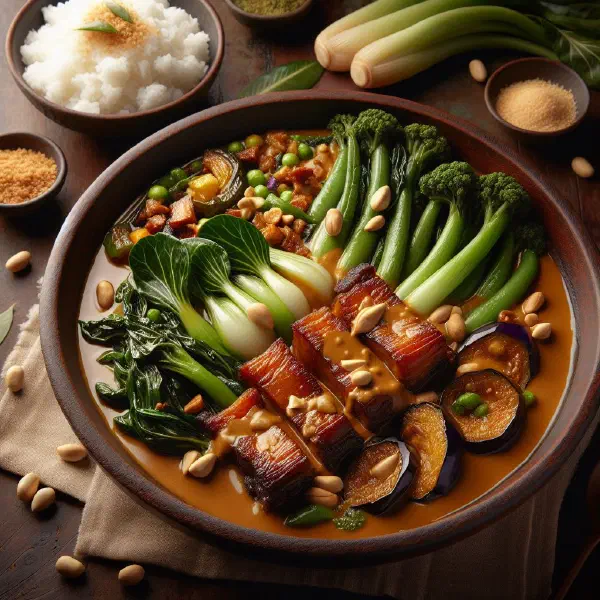
Meet Kare-Kare, the Philippines’ celebrated festive stew where tender oxtail and crisp vegetables come together in a thick, golden peanut sauce. Traditionally served with steamed rice and a salty spoonful of bagoong (fermented shrimp paste), it is the kind of generous, soul-warming dish that brings families around the table. Rich, nutty and deeply satisfying, this Filipino classic turns any meal into a proper occasion.
About Kare-Kare
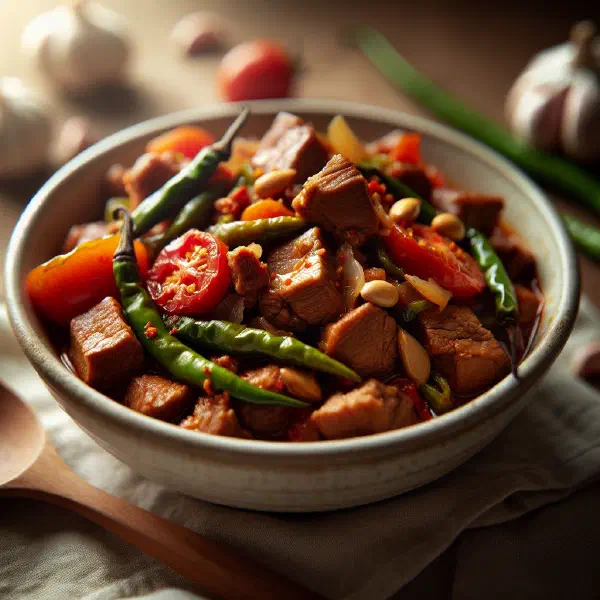
Kare-Kare is a traditional Filipino dish best known for its unique peanut sauce. It is most often prepared with oxtail or beef and served with an array of vegetables. The peanut sauce gives the dish its unmistakable flavour and its standing as a genuine feast for special occasions. Kare-Kare is usually served with bagoong and rice, which makes it a perfect centrepiece for sociable family gatherings.
Ingredients (serves 1–2)
- 500 g oxtail or beef
- 1 cup peanuts (roasted and ground)
- 1/2 cup water
- 2 tablespoons fish sauce
- 1 small aubergine, sliced
- 1 cup bok choy or other vegetables of your choice
- 1 banana, cut into pieces
- 1 onion, chopped
- 2 cloves garlic, chopped
- Salt and pepper to taste
Shopping for the ingredients
To track down everything you need for Kare-Kare, it is worth heading to an Asian supermarket. There you will usually find a wide selection of fresh vegetables and the special ingredients used in Filipino cooking. Take care to choose good-quality peanuts, as they are crucial to the flavour of the dish. Where possible, buy fresh oxtail or beef too, to achieve the best texture and taste.
Preparing the dish
Before you start cooking Kare-Kare, it is important to prepare all the ingredients carefully. Begin by cutting the meat and vegetables into bite-sized pieces. This helps everything cook evenly and makes serving easier. You should also grind the peanuts in advance, or buy them ready-ground, to save time while cooking.
Step-by-step instructions
- Bring the meat to the boil in a large pot with plenty of water and let it simmer for around 1–1.5 hours, until tender.
- Sauté the onion and garlic in a separate pan until golden brown.
- Add the cooked meat to the pan with the onion and garlic and season with fish sauce.
- Stir in the ground peanuts and the water, mixing well until the sauce thickens.
- Add the vegetables to the pan and cook briefly until just tender but still crisp.
- Season with salt and pepper to taste and serve the dish hot.
Gluten-free / lactose-free version
When making Kare-Kare you can easily use gluten-free and lactose-free ingredients. Make sure the peanuts and the fish sauce contain no gluten-bearing additives. Instead, you can use tamari or a gluten-free soy sauce. This way, even people with particular dietary needs can enjoy this delicious dish.
Tips for vegans and vegetarians
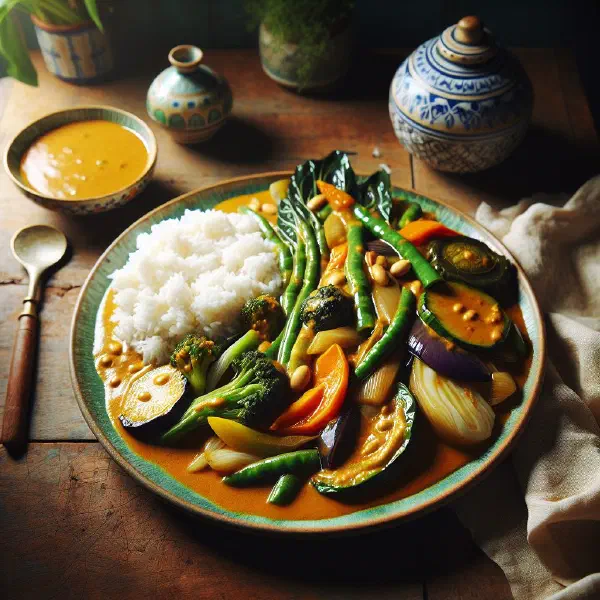
For a vegan or vegetarian take on Kare-Kare, the meat can be replaced with tofu or seitan. These protein sources offer a similar texture and soak up the peanut sauce beautifully. It is also worth using a plant-based fish sauce or a suitable alternative. That way the classic flavour profile stays intact, without any animal products. A meat-free version sits naturally alongside a hearty Vegetable Kare Kare.
More tips and tricks
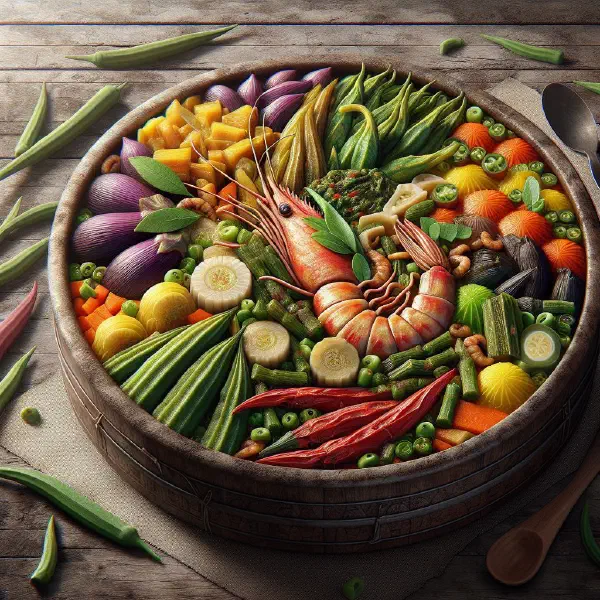
To make your Kare-Kare even more delicious, you can add aromatic herbs such as coriander or spring onions. These lend the dish extra flavour and make it more appealing to the eye. You can also experiment by using different vegetables according to the season and your preference, which keeps the dish exciting and varied.
Adapting the recipe to your taste
The versatility of Kare-Kare lets you adjust the recipe entirely to your own preferences. You can tweak the heat by adding or leaving out chillies or pepper. The mix of vegetables is open to experiment too, so you can create your own personal favourite. Do not be afraid to get creative and shape the recipe to suit your taste.
Ingredient substitutions
If you do not like peanuts or are allergic to them, you can use almond butter or cashews instead. These bring a similar nutty flavour and a pleasant creaminess to the sauce. The beef can also be swapped for pulses, which make an excellent source of protein, much like the hearty base of a Sinigang. Adaptations like these make your Kare-Kare nutritious and tailored to your own way of cooking.
Drink pairing ideas
Kare-Kare is best paired with drinks that complement its rich flavour. A refreshing San Miguel beer from the Philippines goes wonderfully with the deep notes of the peanut sauce. Alternatively, a homemade lemonade or even coconut water works well to balance the dish’s comforting, creamy character. Spirits such as whisky can also harmonise nicely if you prefer a less traditional pairing.
Serving and presentation ideas
Presentation plays a key role when serving Kare-Kare attractively. You can arrange the dish in a large bowl so guests can help themselves. Garnish it with fresh herbs or crispy fried onions for extra visual appeal. Serve it with a side of fresh, al dente rice to round off the whole experience, much as you would with a generous platter of Lechon.
A bit of history
The roots of Kare-Kare reach back to the Spanish colonial era in the Philippines. It is considered a dish often prepared for celebrations and special occasions, and it is a symbol of togetherness and family. The peanut sauce shows African influences, which highlights the cultural diversity of the islands. Today Kare-Kare is one of the most popular and best-known dishes in Philippine cuisine, with fans well beyond the country’s borders.
More recipe ideas
Summary: Kare-Kare
In short, Kare-Kare is a delicious and richly satisfying dish that perfectly reflects the flavours and cultural influences of the Philippines. With simple ingredients and a straightforward method, it is an ideal choice for special occasions or a cosy family meal. With the tips and suggestions above, you can prepare and enjoy this wonderful dish exactly to your taste.