National Dish Philippines: KBL (Kadyos, Baboy, Langka) (Recipe)
In this article
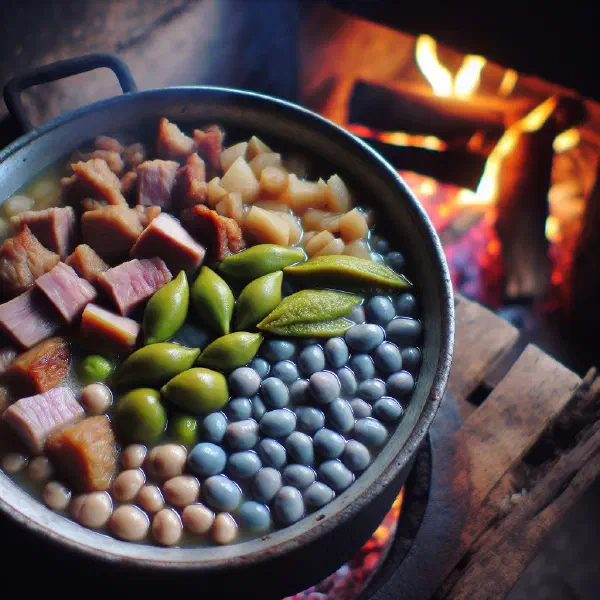
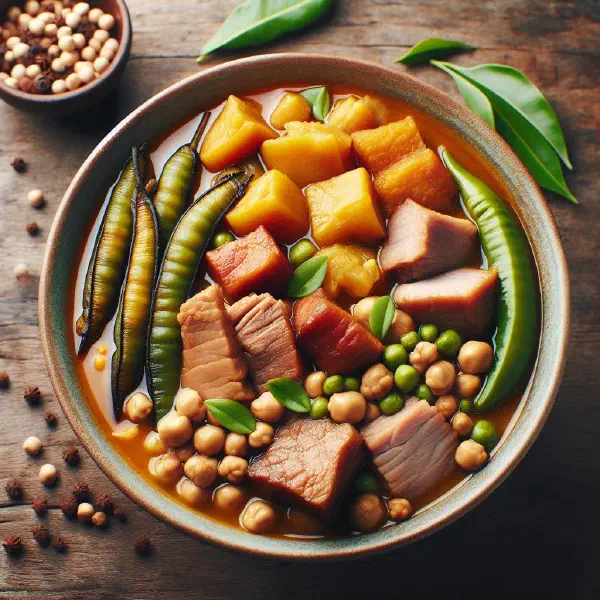
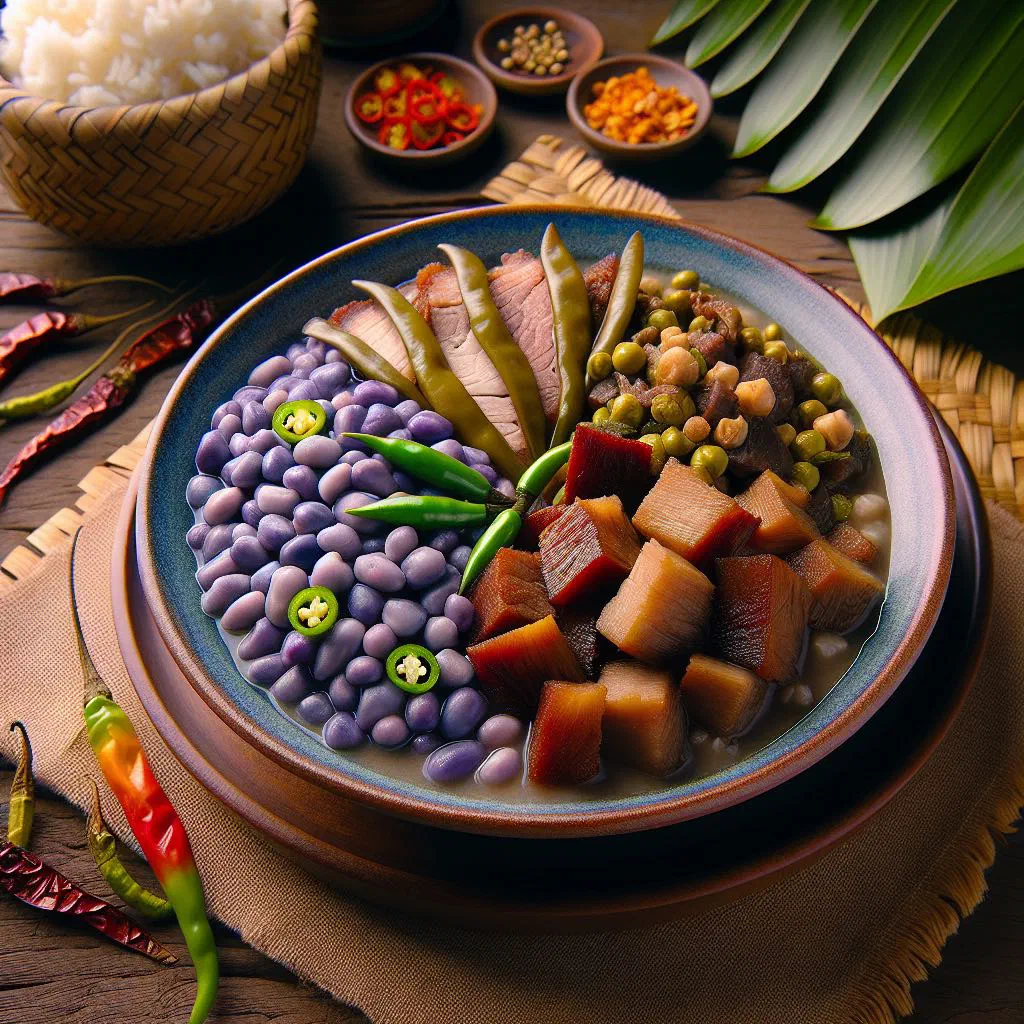
Say hello to KBL (Kadyos, Baboy, Langka), a wonderfully hearty stew that brings together the very best of Visayan home cooking. Tender pork mingles with earthy pigeon peas and chunks of jackfruit to create a dish that is comforting, deeply savoury and full of character. Rooted in tradition and made for sharing, it carries the warmth of Filipino family tables straight into your own kitchen. Simmered slowly and seasoned simply, KBL is proof that a handful of honest ingredients can deliver something truly memorable.
About KBL (Kadyos, Baboy, Langka)
KBL (Kadyos, Baboy, Langka) is a beloved dish from the Philippines, prized for the way it blends tradition and flavour in a single pot. It pairs tender pork with flavoursome kadyos (pigeon peas) and pieces of jackfruit (langka), letting the three come together in a harmonious balance of tastes. Fresh, good-quality ingredients are key to keeping the dish authentic, allowing each element to shine. KBL is more than a meal. It is a culinary experience that appeals to the palate and rewards a little patience at the stove.
Ingredients (serves 1–2)
- 500 g pork (such as shoulder or belly)
- 200 g kadyos (pigeon peas)
- 1 ripe jackfruit (langka), peeled and cut into chunks
- 1 onion, chopped
- 2 cloves garlic, chopped
- 1–2 fresh chillies (to taste)
- 2–3 cups water
- Salt and pepper to taste
- 1 teaspoon oil for frying
Shopping for the ingredients
The ingredients for KBL are easy to find in Asian supermarkets, where the more specialist items are usually well stocked. Fresh produce really matters here, as it shapes the flavour profile of the whole dish. Look out for ripe jackfruit, which is sweeter and gives the perfect counterpoint to the other savoury ingredients. Kadyos are something of a speciality and may be sold either tinned or fresh; wherever possible, fresh is the better choice for a fuller, more authentic result.
Preparing the dish
Preparing KBL is fairly straightforward, though it does take a little time so that all the flavours can develop fully. Begin by cutting the pork into bite-sized pieces and making sure the jackfruit is properly prepped and ready to go. Finely chop the onion and garlic, as these release plenty of aroma once they hit the pan. The chillies can be sliced into rings according to taste, ready to bring just the right amount of heat to the finished stew.
Step-by-step instructions
- Heat the oil in a large pot and sauté the onion and garlic until fragrant.
- Add the pork and fry until lightly browned all over.
- Pour in the water and bring everything to the boil.
- Lower the heat and let the meat simmer for around 30 minutes, until tender.
- Add the kadyos and jackfruit chunks and cook for a further 15 minutes.
- Season the dish with salt, pepper and fresh chillies to taste.
- Serve KBL hot and enjoy it with rice.
Gluten-free / lactose-free version
KBL is naturally gluten-free and lactose-free, which makes it ideal for anyone with those particular intolerances. Just take care that any extras you use, especially seasonings and stocks, are also gluten-free. That way the dish stays both safe and full of flavour. You can tuck in completely worry-free and simply let the rich, savoury aromas surprise you.
Tips for vegans and vegetarians
For a vegan or vegetarian KBL, you can easily swap the pork for tofu or seitan. These alternatives soak up the seasonings beautifully and provide a protein-rich take on the traditional dish. Frying the tofu first gives it a pleasing texture that comes close to the original. Round things out with extra vegetables or pulses to create a balanced, satisfying meal.
More tips and tricks
A few simple touches can make KBL even tastier. Experiment with different spices, or add aromatics such as ginger or lemongrass for extra layers of flavour. A squeeze of lime juice just before serving lends the dish a fresh, bright finish. Fresh herbs like coriander are lovely scattered over the top, both as a garnish and for an added burst of flavour.
Adapting the recipe to your taste
KBL is wonderfully easy to tailor to your own preferences. If you like things hotter, simply add more chillies or reach for a fierier variety. For a milder version, cut back on the chillies or leave them out altogether. The cut of pork can be varied too, leaner meat is the healthier option, while fattier cuts give more flavour.
Ingredient substitutions
If some ingredients prove hard to find, there are always alternatives to hand. In place of kadyos you can use green peas or black beans for a similar texture. For the jackfruit, pineapple works well if you fancy a sweeter note, the same fruity lift you’ll find in a Pininyahang Manok. Substitutions like these may shift the flavours slightly, but the dish stays every bit as exciting and delicious.
Drink pairing ideas
A range of drinks goes beautifully with KBL. A chilled Asian beer or a refreshing hibiscus tea complements the dish’s gentle, warming heat perfectly. For an alcohol-free option, a lemon-lime drink is an excellent choice that brings out the flavours of the food. The same goes for water with a little fresh mint or cucumber, which adds an extra cooling note to the meal.
Serving and presentation ideas
A few simple tricks can lift the presentation of KBL. Serve it in an attractive bowl or a large, deep plate and garnish with fresh herbs. A pinch of red chilli flakes or a scattering of sesame can add an appealing splash of colour, too. Don’t forget a few wedges of lime on the side, which double as a fresh accompaniment while making the plate look all the more inviting.
A bit of history
KBL has historical roots in the Filipino cooking tradition, shaped over time by a wide range of cultures. The dish is especially popular in the Visayas region, where food sits at the very heart of daily life. It reflects the values of community and sharing so typical of Filipino culture, as it is often made in generous quantities to be enjoyed with family and friends. The combination of ingredients shows just how much nature and local produce are treasured in Philippine cuisine.
More recipe ideas
Summary: KBL (Kadyos, Baboy, Langka)
KBL is a traditional Filipino dish that captures the flavours and culture of the Philippines in a single bowl. With its tender pork, flavoursome kadyos and sweet jackfruit, it offers a memorable taste experience. It is a treat for anyone who loves Asian cooking. Give it a try and bring a little piece of Filipino cuisine into your own kitchen.