National Dish Philippines: Kinilaw (Recipe)
In this article
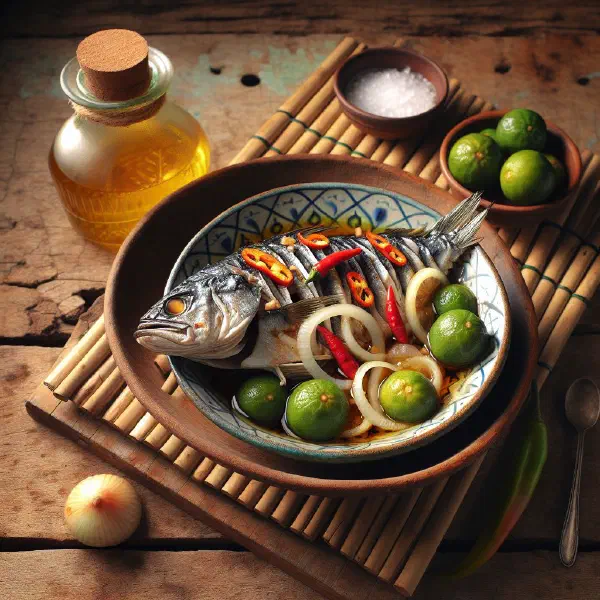
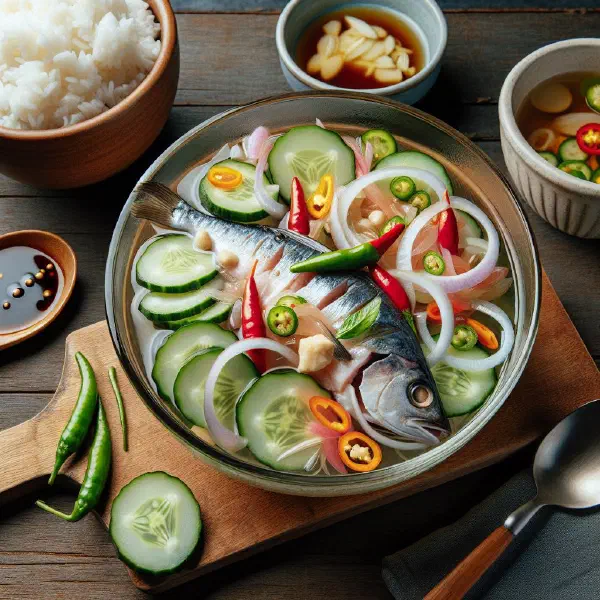
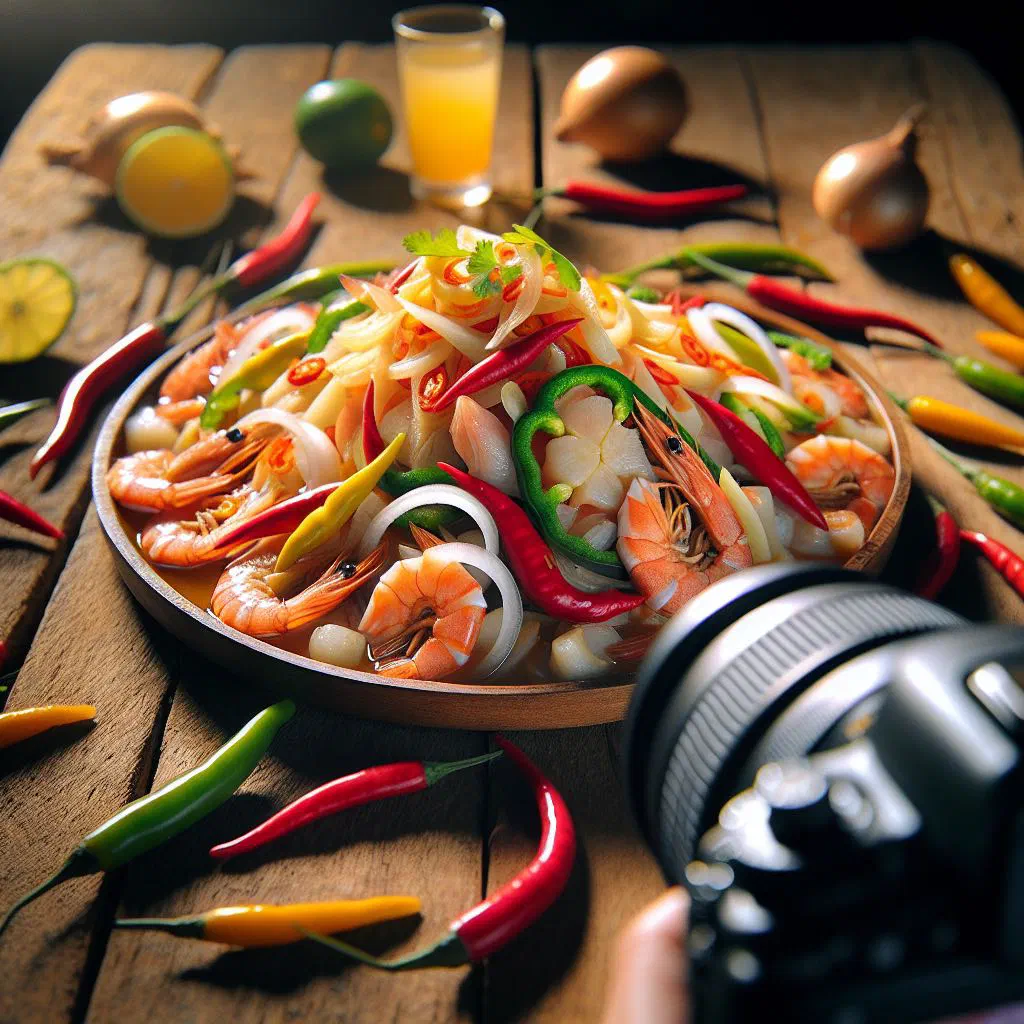
Meet Kinilaw, the bright, zingy fish salad that the Philippines holds up as a point of national pride. Often described as the Filipino take on ceviche, it is built around the freshest raw fish, “cooked” not with heat but with the sharp tang of citrus and vinegar. Studded with onion, tomato and a hit of chilli, it is the kind of refreshing dish that comes into its own at gatherings and celebrations. Bring a taste of the tropics straight to your table.
About Kinilaw
Kinilaw is a traditional dish of Philippine cuisine that is frequently celebrated as a source of national pride. It is essentially a raw fish salad marinated in citrus juice, most often with lime or lemon. The dish is commonly served as an aperitif or starter and is especially popular at festive occasions and celebrations. What makes Kinilaw so special is the way it brings together fresh ingredients to create a lively, refreshing flavour.
Ingredients (serves 1–2)
- 200 g fresh fish (such as mahi-mahi or mackerel)
- 1/2 cup fresh lime juice
- 1 onion, finely chopped
- 1 tomato, diced
- 1 green chilli, sliced
- A few leaves of fresh coriander
- Salt to taste
Shopping for the ingredients
When making Kinilaw, the freshness of the fish is everything. Wherever possible, visit a trusted fishmonger or a local market to be sure you are getting top-quality ingredients. The fish should look fresh and unblemished, with no unpleasant smell. Fresh herbs such as coriander and ripe tomatoes are just as crucial to the flavour, so choose those with care too.
Preparing the dish
Before you start making Kinilaw, have all your ingredients to hand. The fish needs to be cleaned thoroughly and cut into small cubes. The onion should be finely chopped and the tomato diced. The chilli can be sliced as well, to give the dish just the right amount of heat.
Step-by-step instructions
- Cut the fresh fish into small cubes and place it in a bowl.
- Add the fresh lime juice and leave the mixture to marinate for around 15 minutes.
- Once the fish is marinated, add the onion, tomato and chilli.
- Season with salt and mix everything together well.
- Stir through the fresh coriander leaves and serve the dish straight away.
Gluten-free / lactose-free version
Making Kinilaw is naturally gluten-free and lactose-free. No gluten-containing ingredients are used, which makes the dish an excellent choice for anyone with a gluten intolerance. It is equally suitable for those who are lactose intolerant, as no dairy products are required. Just take care that the seasonings and other ingredients you use are also free from gluten.
Tips for vegans and vegetarians
There are plenty of creative ways to adapt the recipe for vegans and vegetarians. Tofu or tempeh make a superb stand-in for the fish and can be marinated in just the same way. Vegetables such as avocado or papaya also lend themselves to a delicious, refreshing salad. The marinade stays the same and still delivers that unmistakable Kinilaw flavour, much as a Lato Salad celebrates the freshness of the sea.
More tips and tricks
To deepen the flavour of Kinilaw even further, try enriching it with other fresh herbs such as mint or basil. Experiment with different citrus fruits too, grapefruit or orange add a creative twist. A pinch of pepper, or even a little freshly grated ginger, can give the dish an extra kick. For more texture and bite, throw in some grated carrot or radish.
Adapting the recipe to your taste
The beauty of Kinilaw lies in how flexible the ingredients are. Depending on your preference, the recipe is easy to adjust. Dial the heat up or down by varying the amount of chilli, and feel free to combine the marinated ingredients however you fancy to create a dish that suits your taste exactly. If you enjoy a heartier seafood spread, pair it with something like Inihaw Na Pusit.
Ingredient substitutions
If certain ingredients for Kinilaw are not to hand, there are plenty of alternatives. In place of fish, you could use prawns or mussels, both of which marry well with the marinade. For a vegan version, jackfruit is a fine option, soaking up the marinade beautifully. Be adventurous and discover which combination you like best.
Drink pairing ideas
To round off the Kinilaw experience, serve it with a well-matched drink. A light, crisp wine or a refreshing citrus cocktail works wonderfully with the flavours of the dish. A traditional Filipino drink such as tuba (palm wine) would also suit it nicely. For an alcohol-free option, homemade lemonade or coconut water is an excellent way to complement that fresh taste.
Serving and presentation ideas
Presentation goes a long way towards making Kinilaw a pleasure to eat. Serve it in an attractive, shallow bowl to show off the colours of the ingredients. Add fresh flecks of colour by scattering coriander leaves decoratively over the top. A few slices of lemon or lime around the rim of the bowl give the dish a really inviting finish.
A bit of history
The roots of Kinilaw reach deep into Filipino culture and history. The dish is believed to have been developed by the indigenous peoples of the Philippines, who have always used fresh fish to prepare their meals. Over time, Kinilaw has grown into a symbol of conviviality and festivity, a popular feature of fiestas and family gatherings. Its reliance on fresh, locally grown ingredients reflects a close bond with nature that runs throughout Philippine cuisine.
More recipe ideas
Summary: Kinilaw
In short, Kinilaw is a refreshing and delicious preparation that is easy to adapt and leaves plenty of room for creativity. With fresh ingredients and a simple method, it is a dish that appeals to beginners and seasoned cooks alike. Whether as a starter or as part of a festive buffet, Kinilaw brings the flavours of the Philippines straight to your table. Give this recipe a try and discover the wonderful variety that Philippine cuisine has to offer.