National Dish Philippines: Kinunot (Recipe)
In this article
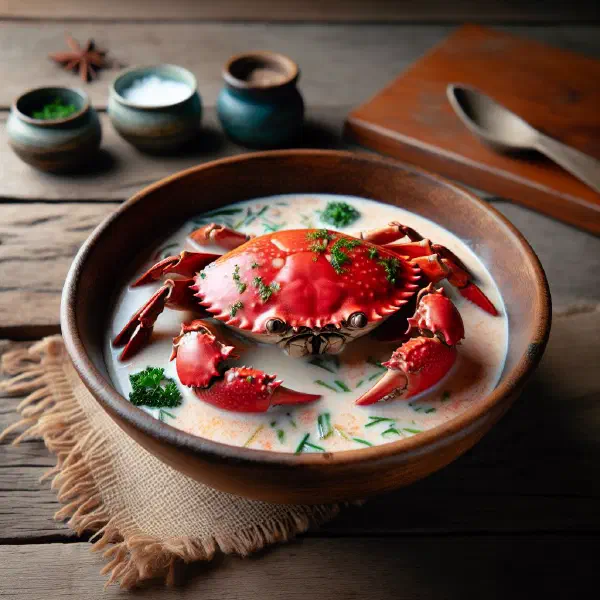
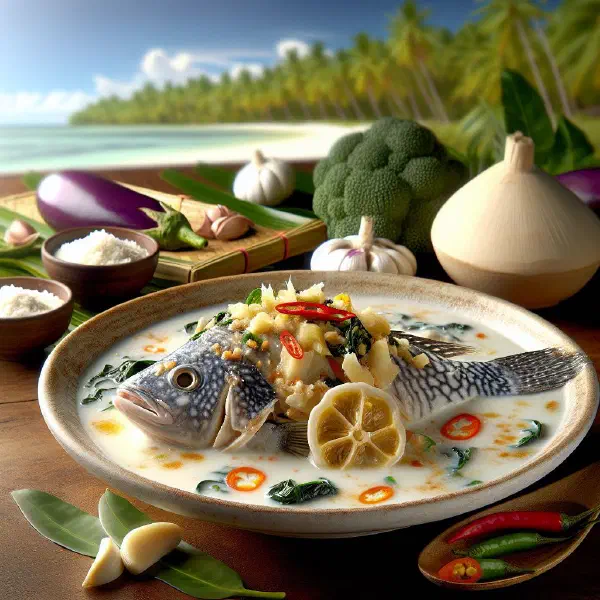
Meet Kinunot, a fragrant Filipino classic in which tender fish is gently simmered in a silky coconut milk sauce. Lifted with ginger, garlic and a whisper of chilli, then finished with fresh leafy greens, it is the kind of dish that turns a simple supper into something memorable. In many Filipino homes it appears at fiestas and family gatherings, and one taste makes it easy to see why this island favourite wins over locals and visitors alike.
About Kinunot
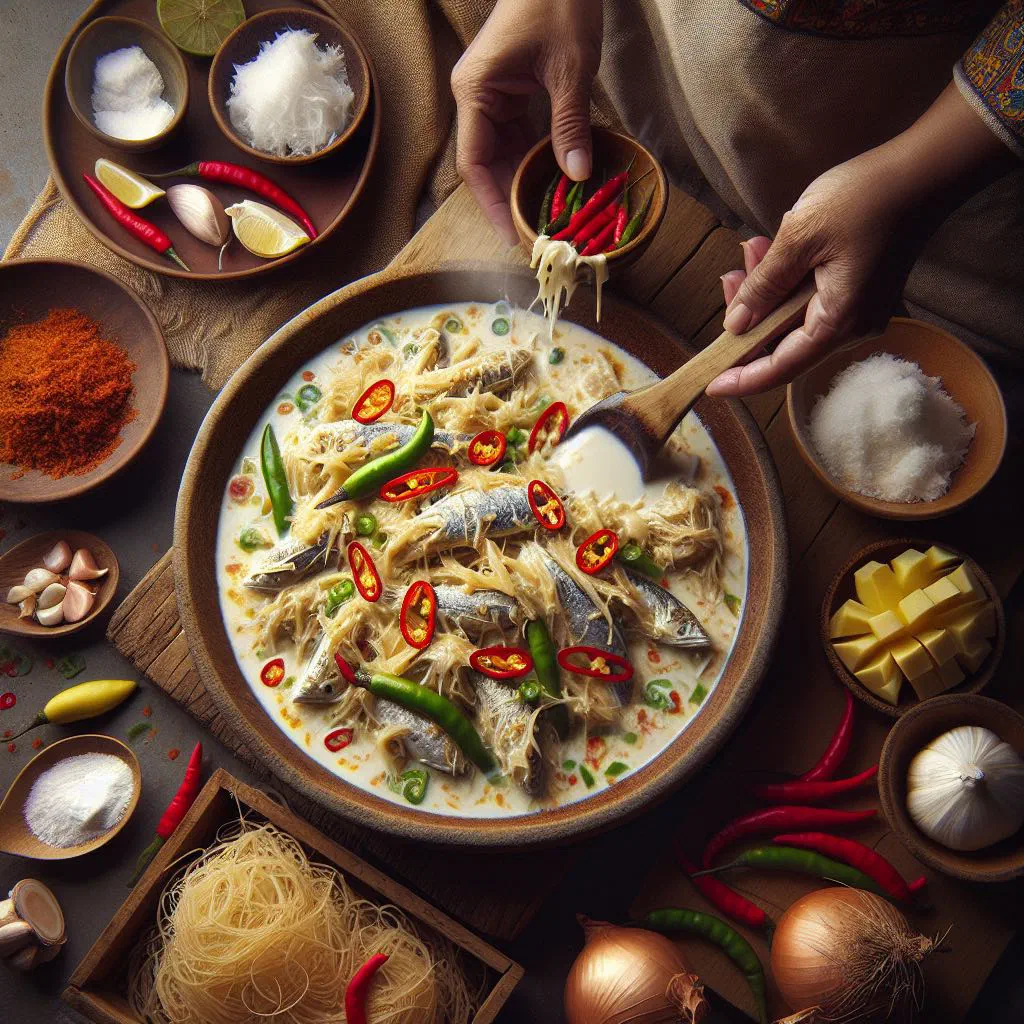
Kinunot is more than a recipe; it is a culinary tradition of the Philippines that captivates the senses. At its heart, fresh fish is braised in a rich coconut milk sauce, rounded out with a generous mix of spices and vegetables. The interplay of flavours creates a distinctive eating experience that appeals to islanders and travellers alike. In countless Filipino households, Kinunot is reserved for special occasions such as festivals and family reunions, where it takes pride of place at the table.
Ingredients (serves 1–2)
- 300 g fresh fish (such as barramundi or mackerel)
- 400 ml coconut milk
- 1 onion, diced
- 2 cloves garlic, chopped
- 1–2 chillies, to taste
- 1 cup spinach or water greens
- 1 tablespoon fish sauce
- Fresh ginger, to taste
- Salt and pepper
Shopping for the ingredients
When shopping for Kinunot, it pays to seek out the freshest produce you can find. Ideally buy the fish on the day you plan to cook so it is at its very best. Coconut milk is widely available in Asian grocers and health-food shops, while the fresh vegetables and aromatics can be picked up at local markets or any supermarket with a good Asian section. A little care at this stage rewards you with a far brighter, more authentic flavour.
Preparing the dish
Preparing Kinunot is refreshingly straightforward and takes only a few steps. Begin by rinsing the fish thoroughly and cutting it into bite-sized pieces. Wash, peel and chop the vegetables so they are ready to go, and grate or slice the ginger to taste. Getting all your ingredients prepped in advance makes the cooking smoother and lets the dish come together at a relaxed, steady pace.
Step-by-step instructions
- Heat a little oil in a pot and sauté the onion and garlic until translucent.
- Add the ginger and chillies and let them toast briefly to release their aroma.
- Pour in the coconut milk and bring it gently to the boil.
- Add the fish and fish sauce, then simmer over medium heat until the fish is cooked through.
- Stir in the greens and cook for a further 5 minutes, until just tender.
- Season with salt and pepper, then serve warm.
Gluten-free / lactose-free version
Kinunot is naturally gluten-free and easily made lactose-free, simply by choosing a coconut milk that contains no additives. Anyone with a food intolerance can enjoy this dish with confidence, provided the ingredients are selected with care. Always check the labels to rule out any hidden sources of gluten, particularly in the fish sauce. The result is a wholesome choice for everyone who needs to eat gluten- and lactose-free.
Tips for vegans and vegetarians
For vegans and vegetarians, Kinunot adapts beautifully when you swap the fish for tofu or tempeh. These protein-rich alternatives soak up the coconut sauce wonderfully and make for an equally satisfying meal. Adding extra vegetables such as peppers or courgette boosts the goodness even further, much as in a vegetable-forward Pinakbet. The dish stays just as delicious while becoming nourishing and sustainable.
More tips and tricks
To make Kinunot even tastier, scatter over some toasted crab or prawn flakes as a topping for extra texture and depth. Experiment with different spices to create your own variations, and don’t forget a flourish of fresh herbs such as coriander or spring onions just before serving for a lift of freshness. Small touches like these can raise the dish considerably, in much the same spirit as a well-balanced Laing.
Adapting the recipe to your taste
Kinunot is easy to tune to your own preferences. Like it fiery? Add more chilli or a dash of hot sauce. For a more generous serving of vegetables, fold in green asparagus or broccoli to boost the nutritional value. Adjusting the recipe to suit your palate makes cooking a personal experience that reflects exactly the flavours you love best.
Ingredient substitutions
If certain ingredients are not to hand, there are plenty of alternatives. In place of coconut milk you could use an almond or soya drink to create a non-coconut sauce, and the fish sauce can be swapped for a vegan version or for soy sauce. These substitutions can be applied to suit what is available or your dietary needs, without losing the essence of the dish. The same flexible approach works well for related seafood favourites such as Kinilaw.
Drink pairing ideas
Light drinks pair beautifully with Kinunot and round out the meal. A fresh coconut drink is a natural match, gently echoing the flavours on the plate, while a cold, fruity beer or a light white wine harmonises nicely too. For an alcohol-free option, a zingy ginger ale makes a refreshing choice that complements the dish without overpowering it.
Serving and presentation ideas
Thoughtful presentation can lift the whole Kinunot experience. Serve the dish in deep bowls and garnish with fresh herbs or wedges of lime. Colourful tableware and a few edible flowers add extra visual appeal, while an attractive arrangement of bright ingredients makes the meal very good in both flavour and looks. A little effort here turns a simple supper into something special.
A bit of history
Kinunot hails from the Philippine islands, where fresh seafood and coconut products are abundant. The marriage of these two elements is significant not only in the kitchen but culturally and historically too. In many regions the dish is prepared in the traditional way and is especially popular during festivities. With globalisation, the recipe has spread further afield and is now appreciated internationally as a fine example of Philippine cuisine.
More recipe ideas
Summary: Kinunot
In short, Kinunot is a captivating dish that wins admirers through its blend of flavours and its use of fresh ingredients. It offers a delicious way to get to know Philippine cooking and is ideal for special occasions as well as everyday family meals. The recipe’s adaptability makes it suitable for a wide range of diets, and by experimenting with different ingredients and variations you can discover your very own love of Kinunot.