National Dish Philippines: Laing (Recipe)
In this article
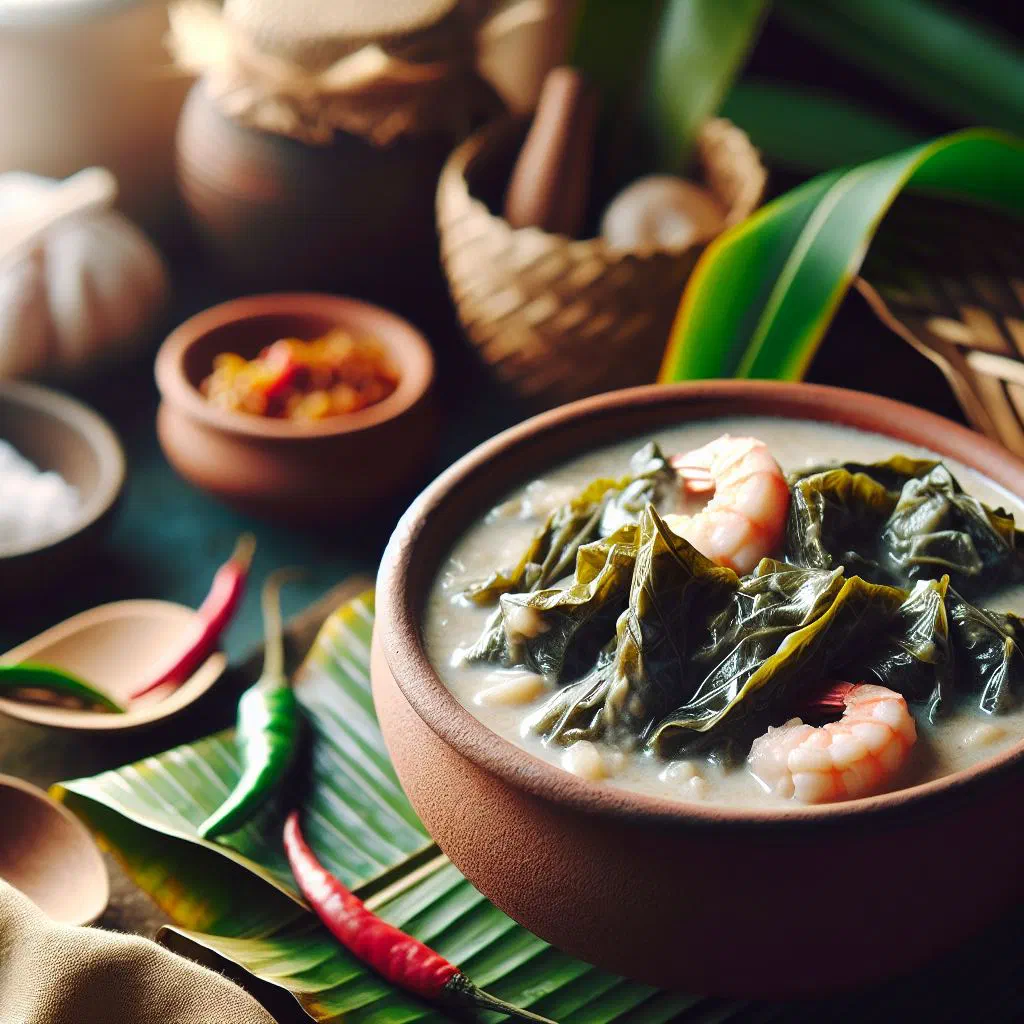
Discover Laing, a creamy, fiery classic from the Bicol region of the Philippines. This much-loved dish slowly simmers dried taro leaves in rich coconut milk until they turn meltingly tender, balancing sweet, salty and spicy notes in every spoonful. Easy to put together yet full of character, it carries the warm, sun-soaked flavours of tropical island cooking straight to your table. Serve it with steaming rice and you have comfort food worth coming back to.
About Laing
Laing is a traditional Filipino dish that is especially beloved in the Bicol region, an area famous for its bold, chilli-laced cooking. It is made from dried taro leaves gently cooked in a luscious blend of coconut milk and aromatic seasonings. The result is wonderfully creamy in texture, with a flavour that strikes a fine balance between sweet, spicy and salty. Preparing laing is simple and a rewarding experience, one that brings the aromas and traditions of Philippine cuisine vividly to life.
Ingredients (serves 1–2)
- 150 g dried taro leaves
- 200 ml coconut milk
- 1 onion, diced
- 2 cloves garlic, chopped
- 2–3 fresh red chillies, to taste
- 1 tablespoon fish sauce
- 1 teaspoon vegetable oil
- Salt and pepper to taste
Shopping for the ingredients
The ingredients for laing are widely available in most Asian supermarkets or online. The dried taro leaves in particular can be tricky to track down in ordinary shops. If you live in a large town or city, you will often find branches that specialise in Filipino or general Southeast Asian groceries. Otherwise, staples such as coconut milk, onions and garlic are easy to source in your regular supermarket.
Preparing the dish
Before you start cooking laing, give the dried taro leaves a thorough rinse to wash away any dust or grit. It is important to soak the leaves in cold water for at least 30 minutes so they soften and rehydrate properly. This step helps ensure a pleasant, tender texture in the finished dish. While the leaves soak, prepare the rest of your ingredients by chopping the onion, garlic and chillies.
Step-by-step instructions
- Heat the vegetable oil in a pot, then add the diced onion and chopped garlic and fry until golden brown.
- Add the soaked taro leaves and stir well to combine.
- Pour in the coconut milk and fish sauce and bring everything to the boil.
- Reduce the heat and let the mixture simmer for 20–30 minutes, until the leaves are tender.
- Add the fresh chillies towards the end of cooking, season with salt and pepper, then serve.
Gluten-free / lactose-free version
Laing is naturally gluten-free, as no gluten-containing ingredients are used. If you prefer a lactose-free version, simply make sure the coconut milk you choose is free of additives. You can also swap the fish sauce for a vegan alternative, making the dish suitable for anyone with a lactose intolerance or a gluten sensitivity. That way nothing stands between you and a bowl of laing.
Tips for vegans and vegetarians
For a vegan version, it is essential to leave out the fish sauce or replace it with a plant-based alternative. You can use soy sauce or a little miso paste instead to achieve the savoury depth you are after. Laing is also a perfect canvas for other plant-based ingredients, such as fried tofu or extra vegetables. These boost the nutritional value of the dish and add a wonderful range of flavours and textures.
More tips and tricks
To deepen the flavour of laing, you can add a few extra aromatics such as ginger or a pinch of cumin. It is also worth adjusting the chillies to suit your own taste for heat, keeping the dish in balance. Another handy trick is to pass the coconut milk through a sieve once after cooking, which gives an especially creamy consistency. These small touches make your laing all the more appealing and full of flavour.
Adapting the recipe to your taste
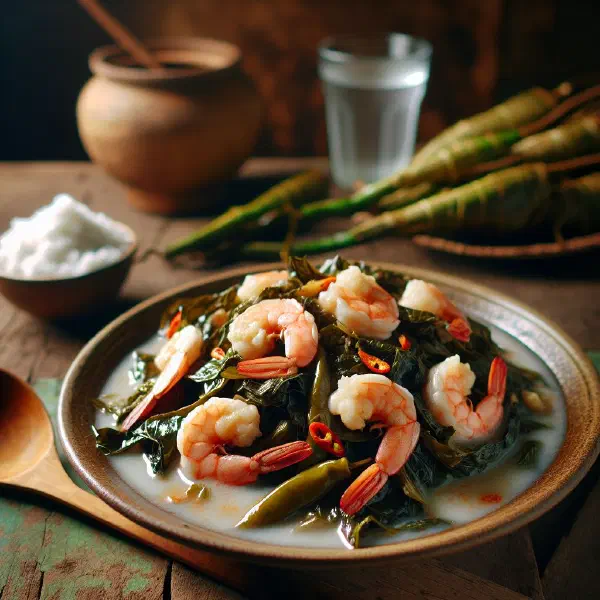
The laing recipe is easy to tailor to your personal preferences. If you love seafood, you can add small pieces of shrimp or fish for an even richer version, much like the shrimp-laced Laing With Shrimp. The taro leaves can also be swapped for other leafy greens such as spinach, which makes for an interesting alternative. Simply experiment until you find the version that is perfect for you.
Ingredient substitutions
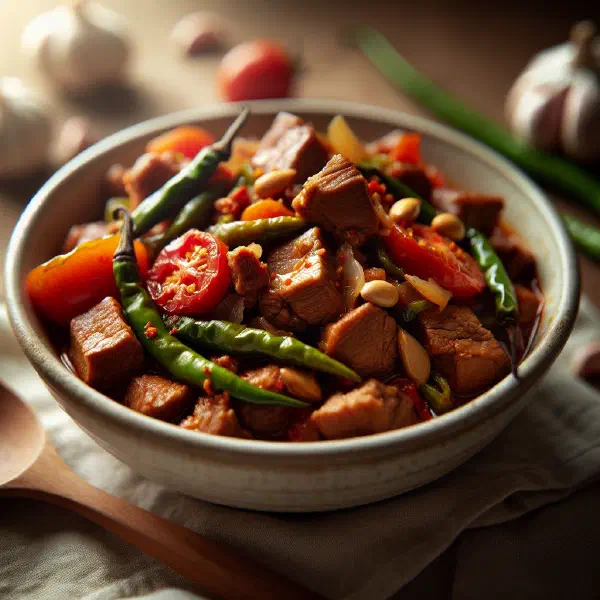
If you cannot find dried taro leaves, leafy greens such as kale or spinach make a good stand-in. These can be combined with coconut milk in the same way and deliver a similar consistency, much as the vegetables shine in Pinakbet. In place of coconut milk you could even use oat milk, which, alongside the other ingredients, offers an intriguing flavour combination.
Drink pairing ideas
Refreshing drinks that complement the flavours of the dish pair best with laing. A classic Filipino choice often served with meals like this is calamansi juice, a freshly pressed juice made from a small citrus fruit. Alternatively, a light beer is an excellent option for tempering the heat of the chillies. The key is to serve the drink well chilled, the better to round out the whole experience.
Serving and presentation ideas
A thoughtful presentation can lift the entire laing experience. Serve it in a decorative bowl and garnish with fresh herbs such as coriander or spring onions. You might also add a few extra chillies for a colourful flourish. If you set it out as part of a traditional Filipino feast alongside dishes such as Kare Kare, it is sure to draw everyone’s attention.
A bit of history
Laing has its roots in the Bicol region of the Philippines, an area renowned for its aromatic and spicy cooking. The distinctive marriage of coconut milk and taro leaves was an ideal way to make creative use of local ingredients. Traditionally the dish is served with rice and remains a firm fixture in Filipino family recipes. Today laing is appreciated not only across the Philippines but internationally too, helping to spread the appeal of Philippine cuisine.
More recipe ideas
Summary: Laing
Laing is a unique and flavourful dish that appeals to the palate while carrying a deep connection to Filipino culture. With its combination of dried taro leaves, coconut milk and a wealth of aromas, it offers a truly memorable taste of the tropics. Laing is sure to earn a place at your table. Let it inspire you and enjoy the wonderful world of Philippine cuisine.