National Dish Philippines: Laing with Shrimp (Recipe)
In this article
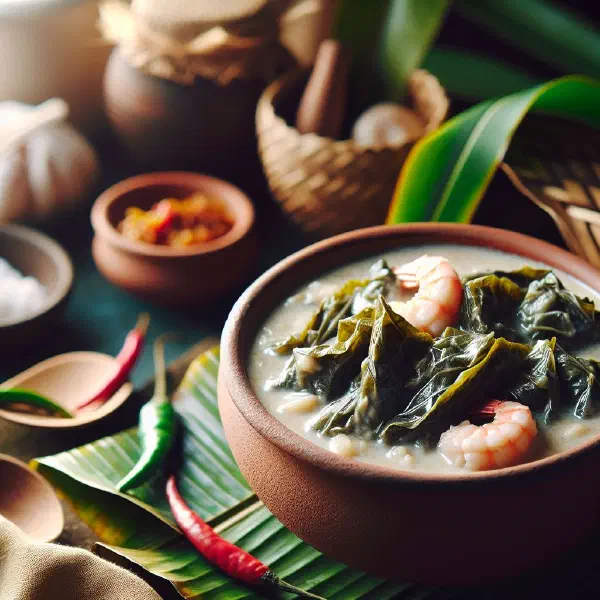
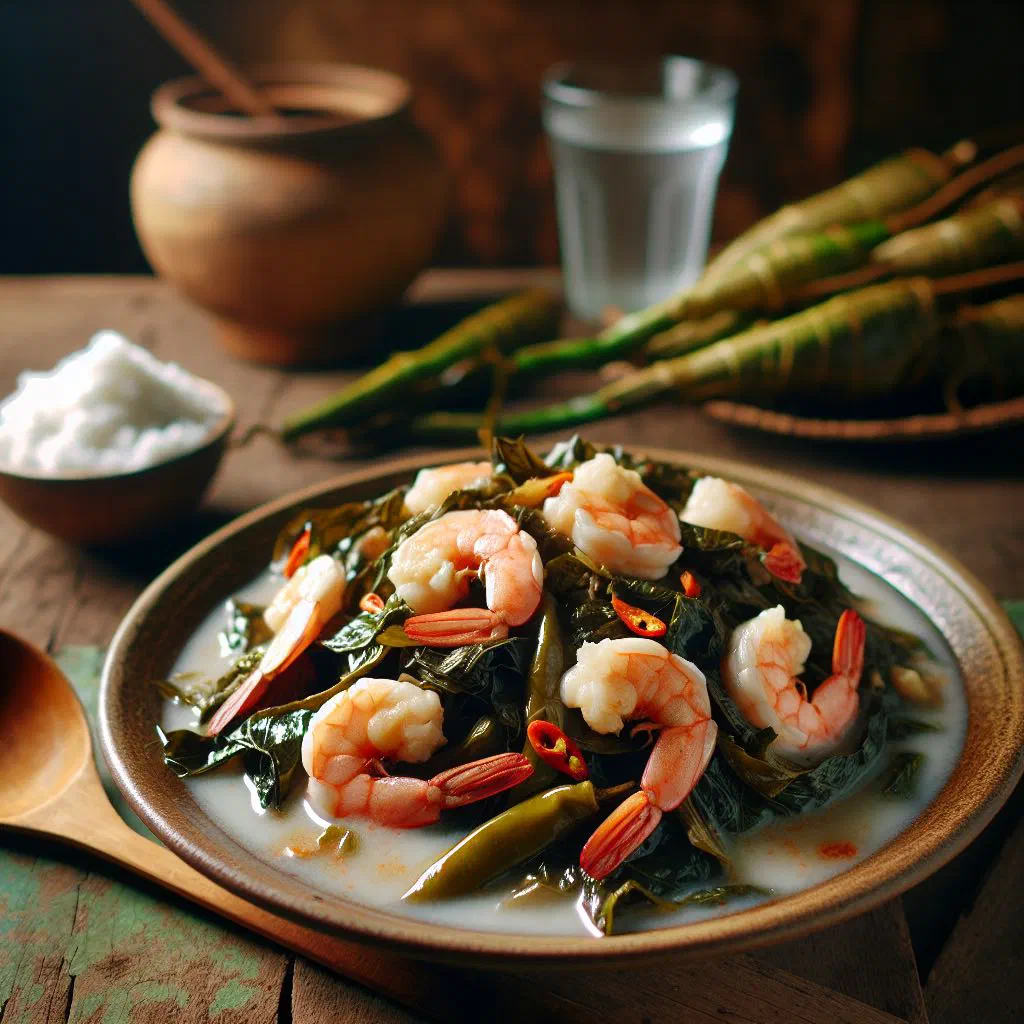
Say hello to Laing with Shrimp, a soulful dish from the Bicol region of the Philippines that turns humble dried taro leaves into something truly memorable. Tender, creamy greens meet plump, juicy shrimp in a fiery coconut sauce that is rich, fragrant and warming all at once. It is a wonderful introduction to the bold, coconut-laced flavours that make Filipino cooking so distinctive, and it comes together far more easily than its depth of flavour might suggest.
About Laing with Shrimp
Laing with Shrimp is a traditional Filipino dish that is rich in both flavour and texture. It brings together the creamy consistency of dried taro leaves with the freshness and bite of succulent shrimp, all simmered in a fiery coconut sauce. The dish is a feast for the senses and a wonderful reflection of the variety and depth of Filipino cooking. If you are looking for a new taste experience, laing with shrimp is the perfect choice, a hearty, comforting plate that sits right at the heart of Philippine cuisine.
Ingredients (serves 1–2)
- 100 g dried taro leaves
- 200 ml coconut milk
- 150 g shrimp, peeled
- 1 onion, finely chopped
- 2 cloves garlic, crushed
- 1–2 red chillies, finely sliced
- 2 tablespoons fish sauce
- 1 teaspoon vegetable oil
- Salt and pepper to taste
Shopping for the ingredients
To make laing with shrimp, it is important to track down the right ingredients. Dried taro leaves are available in many Asian grocery shops or online. The coconut milk should be of good quality so the sauce develops its full, rounded flavour. Be sure to buy fresh shrimp as well, as their quality makes all the difference to the finished dish.
Preparing the dish
Before you start cooking laing with shrimp, it is worth getting all your ingredients prepped. The dried taro leaves need to be soaked in cold water until soft, which takes around 10–15 minutes. Chop the onion, garlic and chillies and have everything ready to hand. These small steps make the cooking process much smoother and help the dish cook evenly from start to finish.
Step-by-step instructions
- Heat the vegetable oil in a pan and fry the chopped onion and crushed garlic until golden brown.
- Add the soaked taro leaves and stir well to combine.
- Pour the coconut milk into the pan and bring the mixture to the boil.
- Add the shrimp and fish sauce, then let everything simmer for about 5–7 minutes.
- Season the dish with salt, pepper and the sliced chillies to your taste.
- Serve the laing hot, ideally with a bowl of rice alongside.
Gluten-free / lactose-free version
Laing with shrimp can easily be made gluten-free and lactose-free without losing any of its flavour. Simply make sure you use a gluten-free fish sauce, and rest assured that coconut milk is naturally lactose-free. This makes the dish ideal for anyone with food intolerances, so you can enjoy home-cooked Filipino food to the full.
Tips for vegans and vegetarians
For a vegan version of laing, the shrimp can simply be left out. Add tofu or extra vegetables instead to give the dish more body and substance. Be sure to swap the fish sauce for a plant-based alternative too, such as soy sauce or a mix of tamari and a little seaweed. This keeps the dish satisfying in both flavour and texture, much like a hearty bowl of Vegetable Kare Kare.
More tips and tricks
To deepen the flavour of laing, try adding aromatics such as lemongrass or ginger. These ingredients lend the dish an extra layer of fragrance. Play with the quantity of chillies to dial the heat up or down to suit your taste. And remember: a good mood always makes cooking easier and more enjoyable.
Adapting the recipe to your taste
Laing with shrimp lends itself beautifully to personal tweaks. Do you fancy more vegetables? Add spinach, green beans or peppers for extra colour and nutrients. If you prefer things milder, reduce the chillies or leave them out altogether. That way you can be sure everyone at the table will enjoy this delicious dish.
Ingredient substitutions
If dried taro leaves are hard to find, you can use fresh spinach leaves or even chard as a substitute. These alternatives will not give you quite the same flavour, but they work very well indeed. Likewise, you can replace the shrimp with black beans to make the dish fully vegan, a similar trick to lighter seafood plates such as Sinigang Na Hipon.
Drink pairing ideas
A hearty dish like laing with shrimp pairs wonderfully with refreshing drinks. A fruity mango lassi or a cold Asian-style beer both make great companions. For an alcohol-free option, consider coconut water or a fruity iced tea to underline the flavours of the dish. Either way, your meal becomes a memorable experience.
Serving and presentation ideas
The presentation of laing with shrimp can make the meal even more inviting. Serve the dish in a pretty bowl and garnish it with fresh coriander or a squeeze of lime juice. A thoughtful arrangement on the plate heightens the whole eating experience. And do not forget to provide plenty of rice on the side. It rounds the dish off perfectly.
A bit of history
Laing has its origins in the Bicol region of the Philippines, an area famous for its use of coconut products and fiery ingredients. The dish was often enjoyed as a hearty main course, especially during festive occasions. The combination of taro leaves and coconut milk tastes wonderful and reflects the influences of Filipino culture. So when you eat it, you get to enjoy a little slice of heritage too, a quality it shares with regional classics like Bicol Express’s neighbour Sinigang.
More recipe ideas
Summary: Laing with Shrimp
Laing with shrimp is an exquisite dish that shows off the flavours of Filipino cooking to perfection. With its unique combination of dried taro leaves, succulent shrimp and a luscious coconut sauce, it appeals to the palate and the eye in equal measure. A vegan or simply a lover of Asian food, laing with shrimp can be adapted to suit all kinds of tastes. Enjoy this flavour-packed experience in your own kitchen.