National Dish Philippines: Litson Kawali (Recipe)
In this article
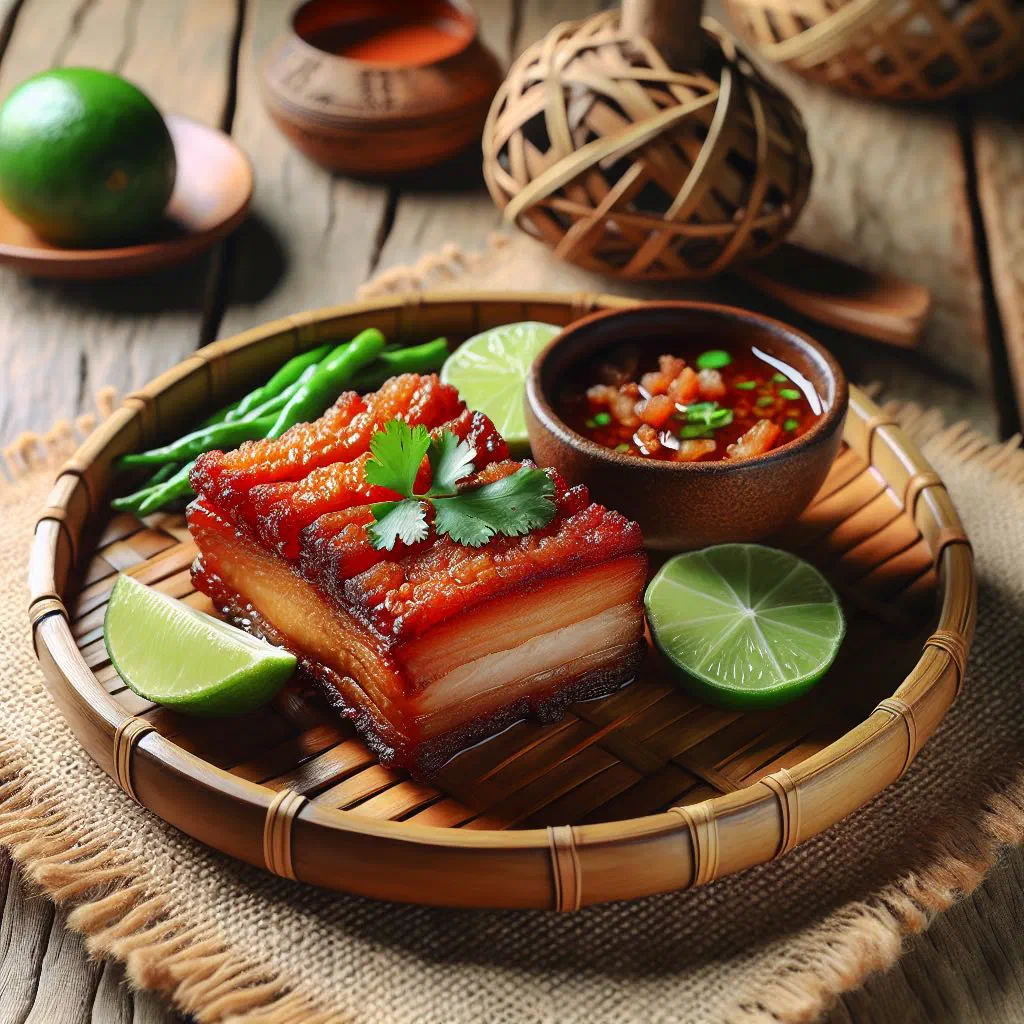
Meet Litson Kawali, a Filipino favourite that turns humble pork belly into something truly special. The magic lies in the contrast: shatteringly crispy crackling on the outside, meltingly tender meat within. Often served with a tangy dipping sauce that cuts through the richness, it is the kind of dish that takes pride of place at festive gatherings and hearty family dinners alike. Bring a taste of the Philippines to your own kitchen with this gloriously indulgent classic.
About Litson Kawali
Litson Kawali is a deep-fried pork belly dish that holds a treasured place in Filipino cooking as a much-loved national favourite. It is celebrated for its crisp, golden skin and tender, juicy meat, a combination that makes it a genuine delicacy. It is frequently served with a savoury dipping sauce that heightens the flavour and lifts the dish into a real culinary treat. Whether for festive occasions or a comforting family meal, Litson Kawali is an absolute must.
Ingredients (serves 1–2)
- 500 g pork belly
- Salt, to taste
- Pepper, to taste
- 2–3 cloves garlic, crushed
- Water, for boiling
- Oil, for deep-frying
Shopping for the ingredients
When shopping for Litson Kawali, it pays to focus on the quality of the pork. Fresh pork belly is essential for good flavour and the right texture. Asian grocers often stock the best cuts, especially if you can ask for a particularly good piece. The seasonings, your salt and pepper, should likewise be fresh and of good quality to do the dish justice.
Preparing the dish
Preparing Litson Kawali is straightforward, though it does call for a little time and patience. Start by cleaning the pork belly thoroughly and cutting it into pieces with a sharp knife. Rub the pieces all over with salt and pepper to deepen the flavour. This groundwork matters, as it shapes both the frying stage and the final aromas of the dish.
Step-by-step instructions
- In a large pot, bring the pork belly to the boil with water, garlic, salt and pepper.
- Simmer the meat for around 30–40 minutes until tender, then leave it to cool.
- Lift the meat out of the water and pat the skin completely dry.
- Heat the oil in a deep pan and fry the pork belly in batches until the skin is golden and crispy.
- Drain the Litson Kawali on kitchen paper to remove any excess oil, then serve.
Gluten-free / lactose-free version
Litson Kawali is naturally gluten-free and lactose-free, as long as you avoid any additional processed ingredients. Just make sure your seasonings and dipping sauce are free of gluten-containing components too. As a rule, sticking to fresh, unprocessed produce keeps it a safe choice. That makes this dish well suited to anyone with a gluten or lactose intolerance.
Tips for vegans and vegetarians
For vegans and vegetarians, Litson Kawali poses an obvious challenge, but there are alternatives worth trying. One option is to prepare the dish with fried tofu or jackfruit, which can echo the texture and savoury character of the original. The key is to be creative and explore new flavours while still respecting the dish’s traditional roots. For another plant-friendly crisp-fried idea, take a look at Tofu Sisig.
More tips and tricks
A few tips make all the difference in creating the perfect Litson Kawali. For especially crisp skin, keep the boiling time short and dry the meat thoroughly before frying. Another piece of advice is to avoid overheating the oil, which can cause the fat to scorch. Experiment with different seasonings in the rub for extra layers of flavour.
Adapting the recipe to your taste
Litson Kawali is easy to tailor to your own preferences. You might use different marinades, for instance, or add extras such as lemongrass or bay leaves. Tweaks like these help you account for personal tastes and give the dish an individual touch. The aim is to shape the recipe so it suits exactly what you enjoy.
Ingredient substitutions
If certain ingredients are not available, there are several alternatives you can try. In place of pork belly, chicken thighs make a tender, tasty option that fries up crisp just as well, much like the crackling on a plate of Crispy Pata. For seasoning, you could reach for Asian spice blends to create new flavour combinations and vary the dish. These swaps let you adapt the recipe without losing its classic character entirely.
Drink pairing ideas
The right drink can considerably enhance a plate of delicious Litson Kawali. A cold Asian beer or a lively cocktail pairs beautifully with this rich, savoury dish. Fresh fruit juices or homemade lemonades also make a refreshing accompaniment.
Serving and presentation ideas
Thoughtful presentation can lift the enjoyment of Litson Kawali considerably. Serve it on a colourful plate alongside fresh vegetables such as cucumber or carrots. A garnish of herbs or lime wedges adds extra colour and freshness. An attractively arranged plate makes the food more appetising and looks far more inviting.
A bit of history
The story of Litson Kawali reaches deep into Filipino culture and reflects the country’s culinary traditions. Dishes like this were originally prepared for festive occasions, a sign of the special significance they carry. The combination of deep-frying and pork points to the influence of Spanish cooking on Filipino food culture, the same heritage that shaped its grander cousin, Lechon. Today, Litson Kawali is popular not only across the Philippines but has won international recognition too, and it remains a star turn of Philippine cuisine.
More recipe ideas
Summary: Litson Kawali
Litson Kawali is an indispensable dish of Filipino cooking, winning admirers not only for its flavour but for the satisfaction of its preparation. The interplay of crisp skin and tender meat makes it a feast for the senses. With its many variations and adaptations, this dish is easy to bring in line with personal tastes. Whether for a special occasion or a relaxed family dinner, Litson Kawali is certain to please everyone at the table.