National Dish Philippines: Mami (Recipe)
In this article
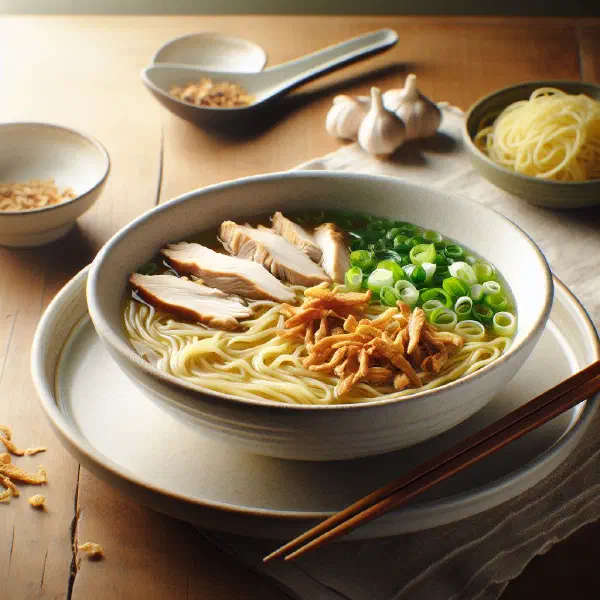
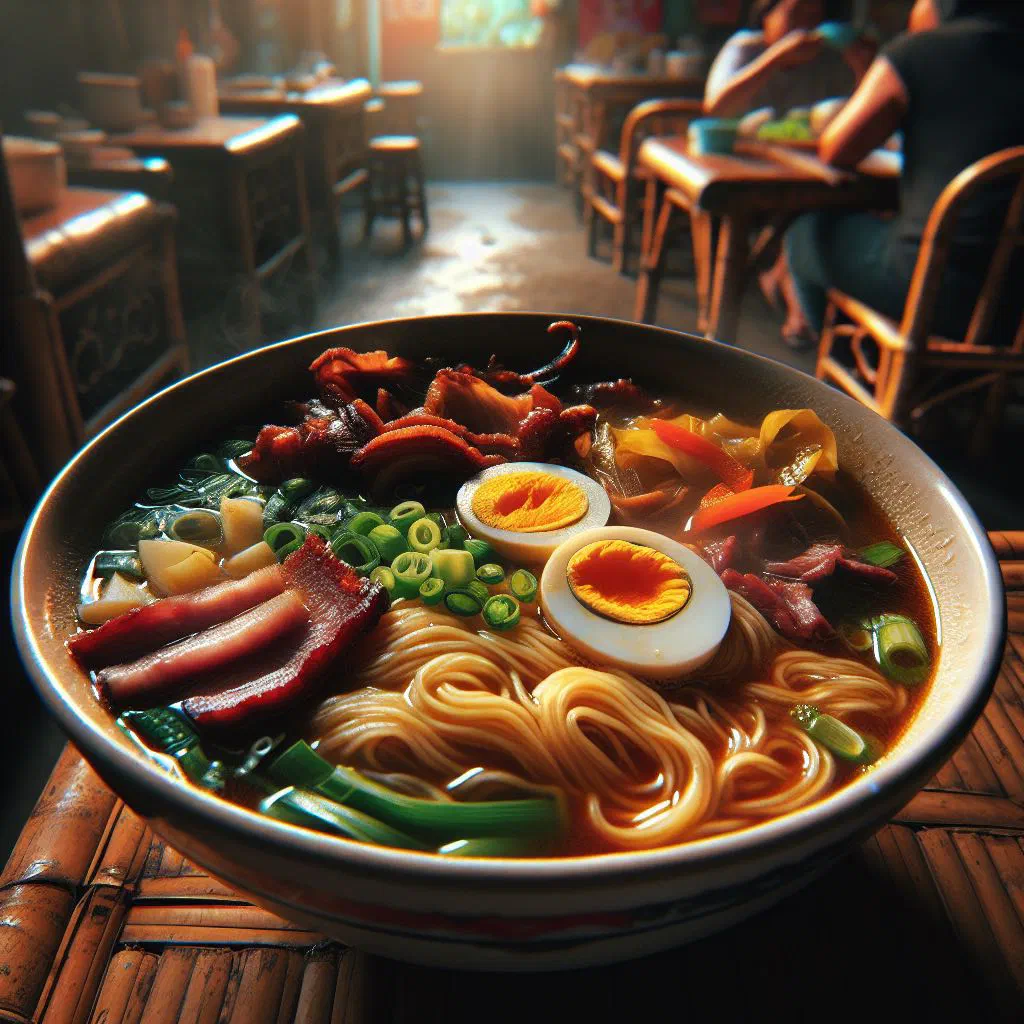
There is nothing quite like a steaming bowl of Mami on a cold, rainy day. This hearty Filipino noodle soup brings together tender pieces of meat, a rich and fragrant broth and springy egg noodles for a dish that feels like a warm hug in a bowl. Bright with spring onions and a splash of soy sauce, it is comfort food at its most welcoming, simple to make, deeply satisfying and made for sharing with family and friends.
About Mami
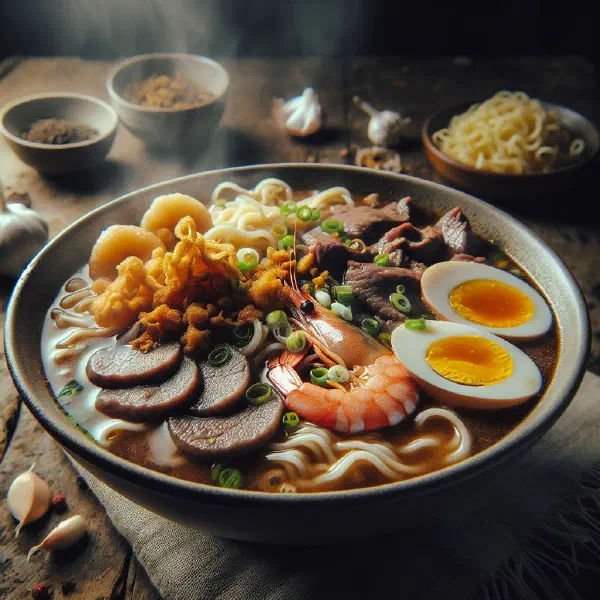
Mami is a traditional Filipino dish that delivers warmth and comfort straight to the table. It is a delicious noodle-based soup, prepared with tender pieces of chicken or beef in a broth that is rich and full of flavour. Aromatic seasonings, fresh vegetables and springy noodles turn it into a genuine treat. More than just a meal, mami carries a real sense of home and togetherness, which is exactly why it has become such a beloved part of everyday Filipino eating and a fine example of Philippine cuisine.
Ingredients (serves 1–2)
- 200 g egg noodles (mie)
- 300 g chicken breast or beef
- 1 onion, diced
- 2 cloves garlic, chopped
- 1 litre chicken or beef stock
- 2 spring onions, sliced into rings
- 1 tablespoon soy sauce
- Salt and pepper, to taste
- Optional: chillies for heat
Shopping for the ingredients
When shopping for the ingredients for mami, local Asian supermarkets or well-stocked grocery shops are your best bet. They often carry the fresh Asian produce that makes all the difference to the finished dish. If you are buying from a larger supermarket, make sure both the stock and the soy sauce are good quality. Freshly cut, crisp vegetables bring extra flavour and freshness to your bowl.
Preparing the dish
Start by cutting the meat into small pieces and getting the onion and garlic ready. You can also prepare the fresh spring onions by slicing them into thin rings. Keep everything within easy reach, as the cooking itself comes together fairly quickly.
Step-by-step instructions
- In a large pot, brown the meat in a little oil until golden.
- Add the onion and garlic and sauté briefly until fragrant.
- Pour in the stock and bring everything to the boil.
- Add the egg noodles to the boiling broth and cook for about 3–5 minutes.
- Stir in the soy sauce and the diced spring onion, then season with salt and pepper.
- Serve the mami piping hot and garnish to taste with fresh herbs or chillies.
Gluten-free / lactose-free version
To make mami gluten-free, use gluten-free egg noodles, which are available in many supermarkets. Be sure your stock is gluten-free too. The method stays exactly the same, and all the other ingredients can be used just as described. For a lactose-free version, this recipe is naturally suitable already, as it contains no dairy products at all.
Tips for vegans and vegetarians
For a vegan version of mami, swap the meat for tofu or use extra vegetable stock as the base. Replace the chicken with vegetables such as mushrooms, broccoli or carrots to pack flavour into every bite. The broth should be entirely plant-based as well. Take care to choose a soy sauce that contains no animal products.
More tips and tricks
A little experimenting with seasonings can give your mami a character all of its own. You could add ginger for a touch of warmth and depth, or a squeeze of lime juice to keep the dish fresh and zingy. A drizzle of sesame oil just before serving intensifies the aroma beautifully. The main thing is to adjust the recipe to suit your own taste.
Adapting the recipe to your taste
The wonderful thing about mami is how easily you can tailor it to your liking. You might add more vegetables, for instance, to bring extra nutrients and colour to the bowl. Bear in mind that the choice of meat affects the result too, beef gives a heartier, more robust flavour, while chicken is lighter and more delicate. Try different combinations and discover what tastes best to you, much as you would with a soothing bowl of Tinola.
Ingredient substitutions
If you do not have egg noodles to hand, you can use other types of noodle such as spaghetti or rice noodles. Depending on the region and what is available, this can make a great alternative. You can also coax fantastic flavour out of the broth by choosing a homemade stock instead of a ready-made product, the same principle that lifts a comforting Bulalo. Simply experiment and find the combination you like best.
Drink pairing ideas
A fresh coconut juice pairs wonderfully with a hearty bowl of mami, offering a sweet, light refreshment. Alternatively, a simple water with lemon or an Asian beer such as San Miguel makes a fine accompaniment. These drinks harmonise perfectly with the flavours of the soup. If you prefer something non-alcoholic, try a mango lemonade, which complements the aromas beautifully.
Serving and presentation ideas
Presentation is an important part of making mami look as good as it tastes. Serve the soup in large, deep bowls and garnish with fresh herbs such as coriander or parsley. A few hot chillies on the side add colour and bring the dish to life. Make sure the noodles are evenly distributed so that every spoonful brings together broth, vegetables and meat.
A bit of history
Mami has its roots in Chinese cuisine, later developed and reshaped by Filipino influences. The dish originally arrived with the immigration of Chinese settlers to the Philippines. Today mami is one of the most popular dishes on the streets of Manila and a fixture at celebrations and special occasions. It reflects the country’s culinary diversity and the spirit of family and friends coming together, in the same way that classics like Pancit Canton and Lomi do.
More recipe ideas
Summary: Mami
Mami is the perfect choice for anyone who fancies a warming, delicious Filipino soup. With simple ingredients and a straightforward method, it is a dish that appeals to beginners and experienced cooks alike. The variety of ingredients and the freedom to adapt the recipe to your own preferences make mami a timeless classic. Let the flavours win you over and enjoy the pleasure of sharing this special dish with friends and family.