National Dish Philippines: Miki Bihon (Recipe)
In this article
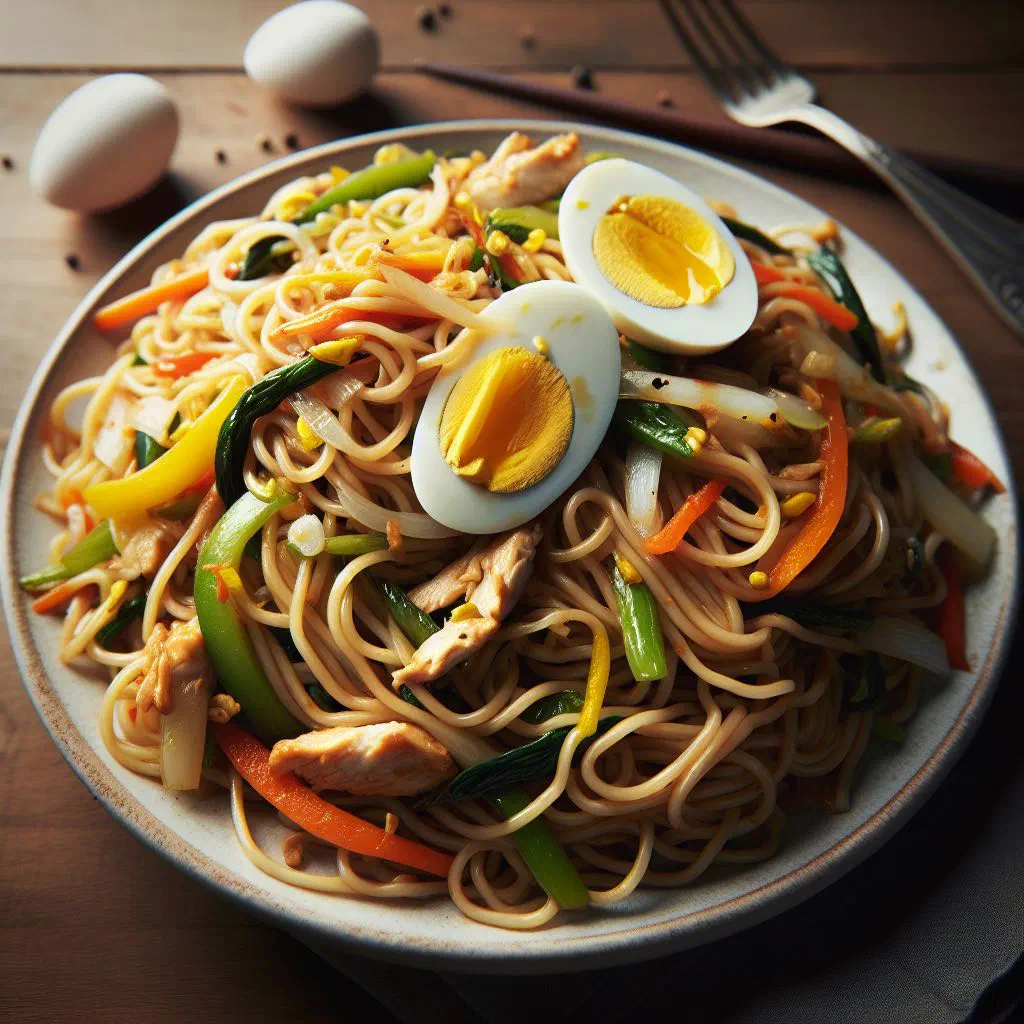
Discover Miki Bihon, one of the Philippines’ best-loved noodle dishes. This aromatic stir-fry brings together silky rice noodles, crisp fresh vegetables and tender strips of meat, all bound in a savoury sauce. It is the kind of generous, crowd-pleasing plate that turns up at fiestas and quiet family suppers alike. Bring the warm, comforting flavours of Filipino cooking straight to your own table.
About Miki Bihon
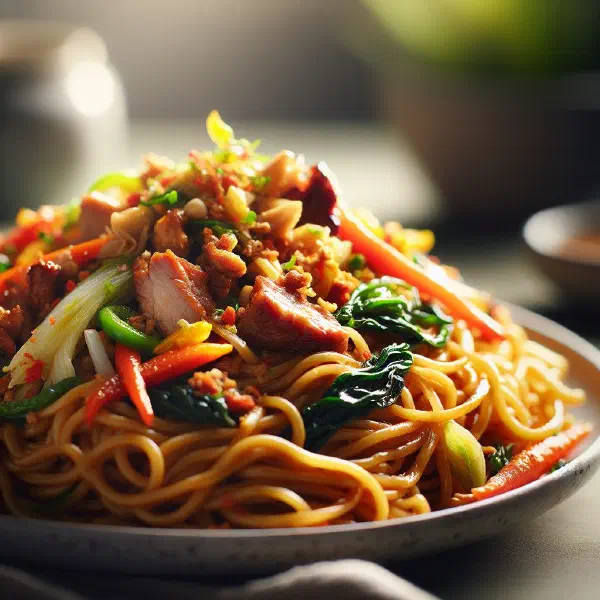
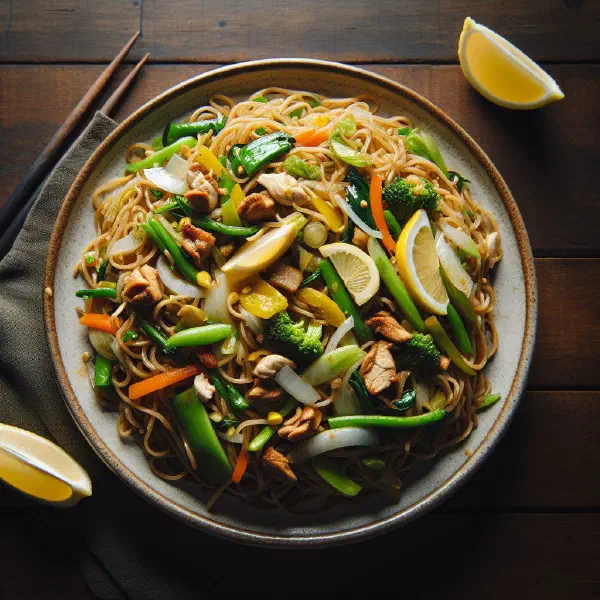
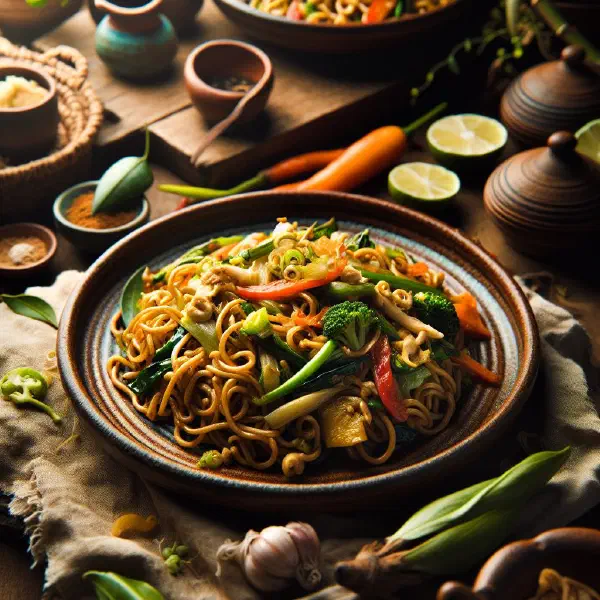
Miki Bihon is a much-loved national dish of the Philippines that has won over food lovers across the islands. This delicious noodle stir-fry pairs delicate rice noodles with a colourful mix of fresh vegetables and meat, often chicken or pork. A savoury sauce lends the dish its distinctive aroma and makes it the highlight of any meal. Whether for festive occasions or simple family gatherings, Miki Bihon brings the flavours of the Filipino kitchen right to the table.
Ingredients (serves 1–2)
- 200g rice noodles (bihon)
- 150g chicken breast or pork, cut into thin strips
- 1 cup green vegetables (e.g. pak choi or carrots)
- 1 onion, finely chopped
- 2 cloves garlic, chopped
- 2 tablespoons soy sauce
- 1 tablespoon oyster sauce (optional)
- Oil for frying
- Freshly ground pepper and salt, to taste
Shopping for the ingredients
When shopping for Miki Bihon, it is worth paying attention to how fresh your produce is. Visit a local market or an Asian grocery to track down the authentic ingredients. The quality of the rice noodles has a big impact on the flavour of the finished dish, so it pays to reach for a well-known brand. Don’t forget the spices and sauces either, as these are crucial to the aroma, much as the right seasonings carry a comforting Pancit Bihon.
Preparing the dish
Good preparation is the first step to getting Miki Bihon right. Begin by soaking the rice noodles according to the instructions on the packet. While the noodles soak, cut the vegetables and the meat into thin strips. Chop the onion and garlic too, so everything is ready the moment the cooking begins.
Step-by-step instructions
- Heat 2 tablespoons of oil in a large pan or wok over medium heat.
- Add the onion and garlic and fry until golden brown.
- Add the meat to the pan and cook until done through.
- Add the vegetables and stir-fry briefly until just tender.
- Tip in the soaked rice noodles and mix everything together well.
- Add the soy sauce and oyster sauce, then season with pepper and salt.
- Cook, stirring constantly, for about 5–7 minutes until everything is piping hot.
- Serve the dish hot and enjoy it with family or friends.
Gluten-free / lactose-free version
Miki Bihon is easy to make gluten-free and lactose-free. Simply use gluten-free rice noodles and swap the soy sauce for a gluten-free alternative such as tamari. Oyster sauce can be found in gluten-free versions too, though it is always worth checking the labels. That way anyone with an intolerance can enjoy the flavours of the Filipino kitchen without worrying about their wellbeing.
Tips for vegans and vegetarians
Miki Bihon adapts beautifully for vegans and vegetarians. Instead of meat, use tofu or tempeh, marinated beforehand for extra flavour. In place of oyster sauce, reach for mushroom sauce or a blend of soy sauce and vegetable stock to keep those umami notes intact. Pile in seasonal vegetables and you have a healthy, plant-based version, the same approach that gives Vegetable Lumpia its fresh appeal.
More tips and tricks
A few handy pointers can make cooking Miki Bihon easier. Have all your ingredients prepped and within reach before you start, which helps you avoid any last-minute rush and keeps the cooking relaxed. If you want more depth of flavour, let the sauce sit for a few minutes before serving. Experiment with different vegetables to suit the dish to your own tastes.
Adapting the recipe to your taste
Miki Bihon is a versatile dish that takes easily to personal preferences. Add seasoning to taste to make it hotter or milder as you like. The choice of vegetables matters too. Use whatever is in season or whatever your fridge has to offer. Feel free to be creative and try out your own favourite combinations, just as you would with a hearty bowl of Lomi.
Ingredient substitutions
If you can’t find certain ingredients, there are plenty of alternatives. The rice noodles can be swapped for other Asian noodles, though do keep an eye on the cooking times. For the sauce, coconut aminos can stand in for soy sauce to keep the dish gluten-free and lend a gentle sweetness. Tofu soaks up all sorts of marinades, making it easy to tailor to any palate.
Drink pairing ideas
A range of drinks goes wonderfully with Miki Bihon. A refreshing Asian beer or a fruity water-based cocktail with lime and mint complements the flavours nicely. A glass of freshly brewed jasmine tea is another lovely match and adds an authentic touch. For those who prefer not to drink alcohol, coconut water makes a refreshing and delicious alternative.
Serving and presentation ideas
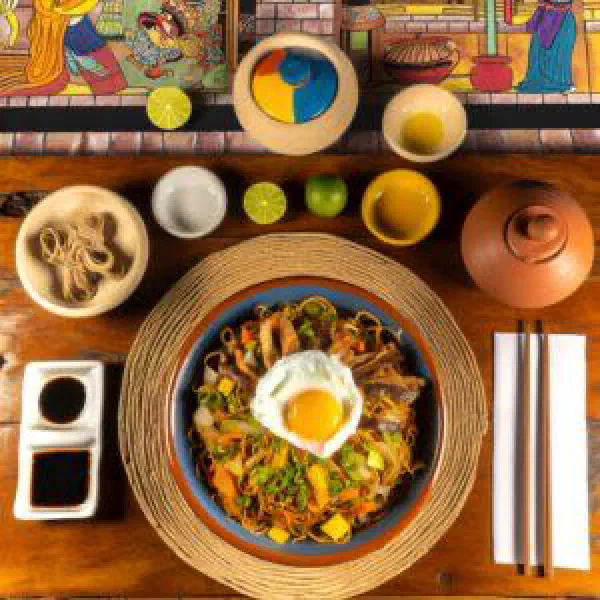
The presentation of Miki Bihon can be both simple and striking. Serve the noodles in large, shallow bowls that show them off well. Garnish with fresh herbs such as coriander or spring onions to add colour and flavour. Tasty sides such as fresh fruit or a crisp salad round off the overall picture nicely.
A bit of history
Miki Bihon has its roots in Filipino culture, which has been shaped by a great variety of influences, Asian, Spanish and American among them. This dish is a fine example of the many culinary traditions that come together in the Philippines. Rice noodles were introduced from China and are now a firm fixture of Philippine cuisine. Many families have their own versions of the recipe, handed down from one generation to the next.
More recipe ideas
Summary: Miki Bihon
Miki Bihon is a varied and delicious dish that embodies the flavours of the Filipino kitchen. With its combination of tender rice noodles, fresh vegetables and a savoury sauce, it is perfect for any occasion. Miki Bihon brings joy and good eating to the table. Make the most of its many possibilities for adaptation to turn this dish into a personal highlight of every meal.