National Dish Philippines: Nilaga (Recipe)
In this article
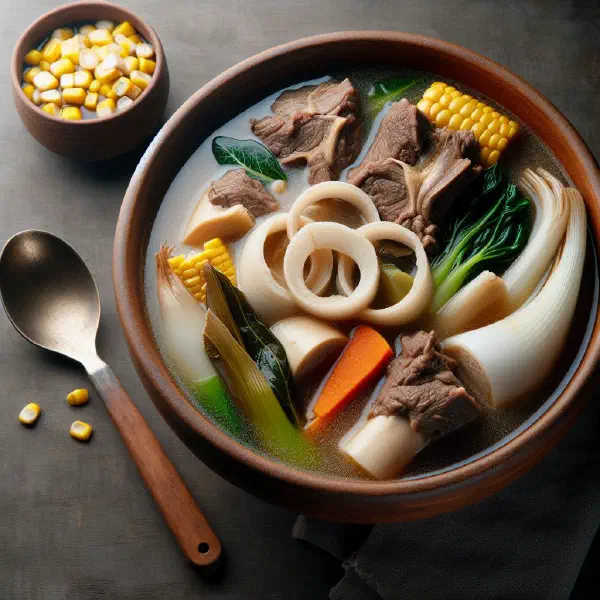
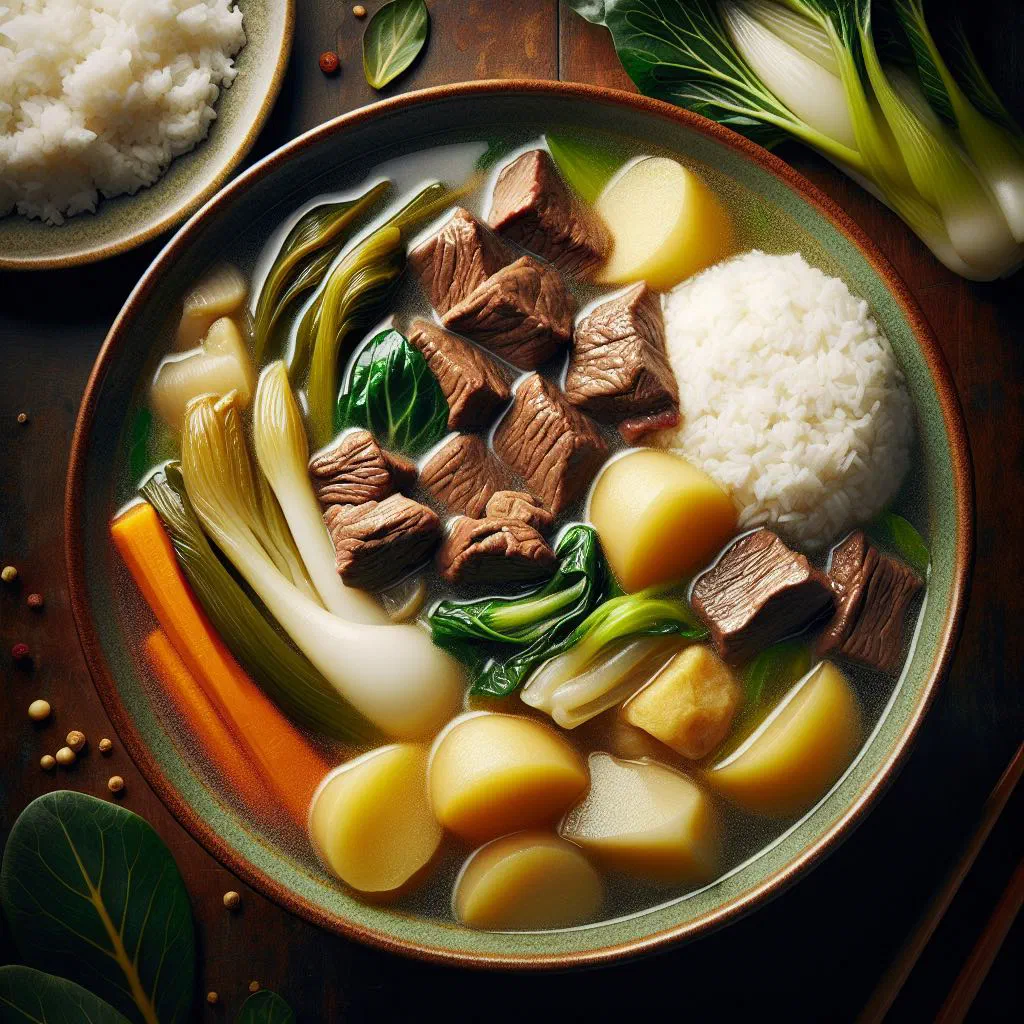
Meet Nilaga, a comforting Filipino stew that brings warmth and togetherness to the table. Tender chunks of beef or pork simmer slowly in a clear, gently seasoned broth alongside potatoes, sweetcorn and crisp greens. It is the kind of homely dish that turns up at family gatherings and on chilly evenings, when nothing beats a steaming bowl of something hearty. Simple to make yet deeply satisfying, it captures the soul of Filipino home cooking.
About Nilaga
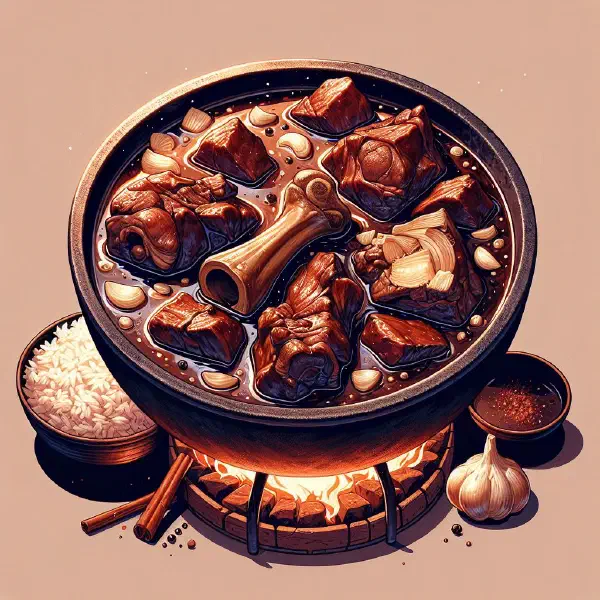
Nilaga is a traditional Filipino stew prized for its straightforward preparation and its clean, robust flavours. The dish is built around tender meat, usually beef or pork, gently simmered in a mild, savoury broth. To this go fresh vegetables such as potatoes, sweetcorn and various leafy greens. Nilaga is often served at family celebrations or simply on cold days, bringing a real sense of comfort and warmth to the table. Much like the well-loved Bulalo, it is a slow-simmered bowl that rewards a little patience.
Ingredients (serves 1–2)
- 300 g beef (e.g. beef shin)
- 1 medium potato, diced
- 1 carrot, sliced
- 1–2 corn cobs, cut into pieces
- 100 g green beans, sliced on the diagonal
- 1 onion, quartered
- 2–3 garlic cloves, crushed
- 2–3 litres water
- Salt and pepper to taste
- Fresh parsley or spring onion, to garnish
Shopping for the ingredients
To make nilaga you will need a selection of fresh, good-quality ingredients. Visit your local supermarket or an Asian grocery to find the best produce. Pay particular attention to the beef, as it is the main component of the dish and its quality has a real impact on the flavour. It is also worth choosing fresh vegetables to bring out the full depth of the stew.
Preparing the dish
Preparing nilaga is straightforward and takes only a few steps. Begin by cutting the beef into suitable pieces and washing and chopping the vegetables. Cutting the ingredients evenly ensures a uniform cooking time and makes for an attractive presentation. Once everything is prepped, you are ready to start cooking.
Step-by-step instructions
- Bring the water to the boil in a large pot and add the beef.
- Let the meat simmer gently for about 1–1.5 hours, until tender.
- Add the onion and garlic and let them cook for a few minutes.
- Add the vegetables — potatoes, carrots and corn — and cook for a further 20–30 minutes.
- Finally, add the green beans and season everything with salt and pepper to taste.
- Serve the nilaga hot, garnished with fresh parsley or spring onion.
Gluten-free / lactose-free version
Nilaga is naturally a gluten-free and lactose-free dish, as it consists mainly of meat and vegetables. Avoid adding any gluten-containing sauces or additives to keep the dish safe for those with intolerances. When choosing your beef and vegetables, there should be no hidden sources of gluten. This way, people with particular dietary needs can enjoy delicious nilaga too.
Tips for vegans and vegetarians
For vegans and vegetarians, nilaga can easily be adapted by simply swapping the meat for plant-based proteins. Use vegetable stock in place of water to deepen the flavour, and reach for tofu or tempeh for a tender texture. You can also add more vegetables such as squash or mushrooms to make the dish more nourishing and varied.
More tips and tricks
A few simple tips can improve your nilaga. Let the beef rest in the fridge for a few hours before cooking to develop more flavour. Be sure to let the meat sit for a while after cooking so the juices redistribute. Experiment with different herbs, too, to vary the aromas and suit your own preferences.
Adapting the recipe to your taste
Nilaga is easy to tailor to your own preferences. If you like bolder, spicier flavours, add chilli or a pinch of paprika. You can also use whichever vegetables you favour or have to hand. The intensity of the dish can be dialled up or down to match personal taste and dietary needs, which makes it a wonderfully versatile option, rather like the gentle ginger-based Tinola.
Ingredient substitutions
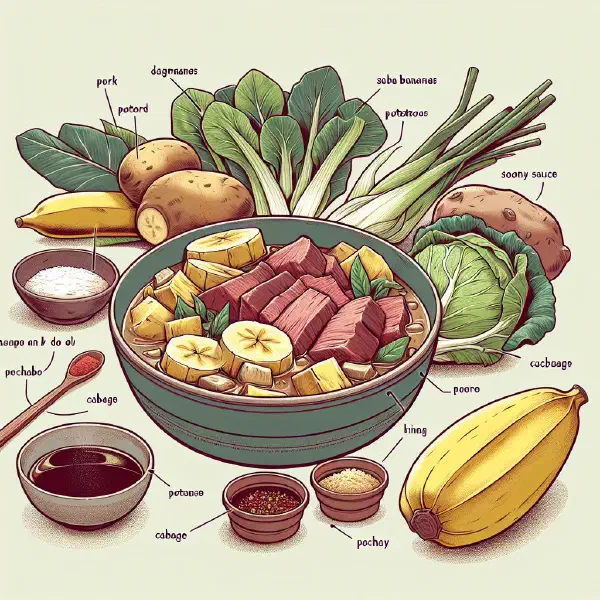
Sometimes not every ingredient is available, and in those cases alternatives come in handy. Instead of beef you can use chicken or pork to give the dish a different character, the latter being the heart of a hearty Pochero. As for the vegetables, there are plenty of options: celery, peas or even aubergine make a delicious change.
Drink pairing ideas
A hearty dish like nilaga pairs well with refreshing drinks that cleanse the palate. A glass of cold water with lime is a simple yet refreshing companion. Alternatively, serve a fruity lemonade or a light beer to complement the flavours of the stew. For a non-alcoholic option, a herbal tea can harmonise nicely and round off the meal.
Serving and presentation ideas
Presentation plays a big part when serving any dish. For nilaga, arrange the stew in a large serving bowl and garnish with fresh herbs to add colour and freshness. You might also set out small bowls for the vegetables so everyone can help themselves. A pleasant table arrangement completes the experience and turns the meal into a special occasion.
A bit of history
Nilaga has a long history in Filipino cuisine and is deeply rooted in the country’s cultural traditions. The dish originally grew out of the need to create nourishing, filling meals for large families. It is a symbol of family and community, as it is often shared in good company. Nilaga is a delicious dish and part of the Filipino identity and culture, passed down from one generation to the next as a cherished example of Philippine cuisine.
More recipe ideas
Summary: Nilaga
Nilaga is more than just a simple dish; it represents the warmth and hospitality of Filipino culture. With tender meat and fresh vegetables in a delicious broth, this stew is perfect for any occasion. Let this traditional stew carry you away into the world of Filipino flavours.