National Dish Philippines: Nilupak (Recipe)
In this article
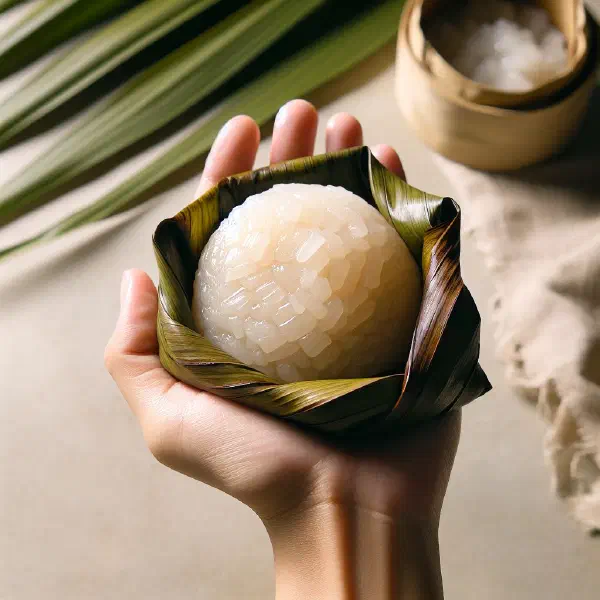
Meet Nilupak, a wonderfully simple Filipino treat that turns a handful of humble ingredients into something quietly very good. Mashed together from ripe banana, creamy coconut milk and starchy cassava, it lands somewhere between a sweet snack and a comforting dessert. Naturally sweet, soft and a little chewy, it is the kind of homemade pleasure that has been shared across Filipino kitchens for generations. Bring a taste of the islands to your own table with this easy, no-fuss recipe.
About Nilupak
Nilupak is a traditional Filipino dish made from ripe bananas, coconut milk and cassava. It has its origins in various regions of the Philippines, where it is often served as a snack or dessert. The combination of ingredients gives it a very good sweetness and a creamy texture that wins over anyone with a sweet tooth. More than just a tasty treat, nilupak is a small piece of Filipino culture, lovingly prepared in many households and a familiar sight at family gatherings.
Ingredients (serves 1–2)
- 2 ripe bananas
- 1 cup cassava flour
- 1/2 cup coconut milk
- 1/4 cup sugar (or to taste)
- A pinch of salt
Shopping for the ingredients
The ingredients for nilupak are available in most Asian grocery shops as well as in online stores. When buying the bananas, choose ones that are nicely ripe, as this improves both the flavour and the consistency of the dish. Cassava flour can also be found easily online or in specialist shops. For the coconut milk, it is worth picking a good-quality brand to ensure an authentic taste.
Preparing the dish
Begin by peeling the ripe bananas and cutting them into small pieces. It is important that the bananas are very ripe to guarantee the best possible sweetness. Have the cassava flour ready in a large bowl so that all the ingredients can be combined easily. Make sure, too, that you have a suitable mould or wrapper on hand for serving the nilupak.
Step-by-step instructions
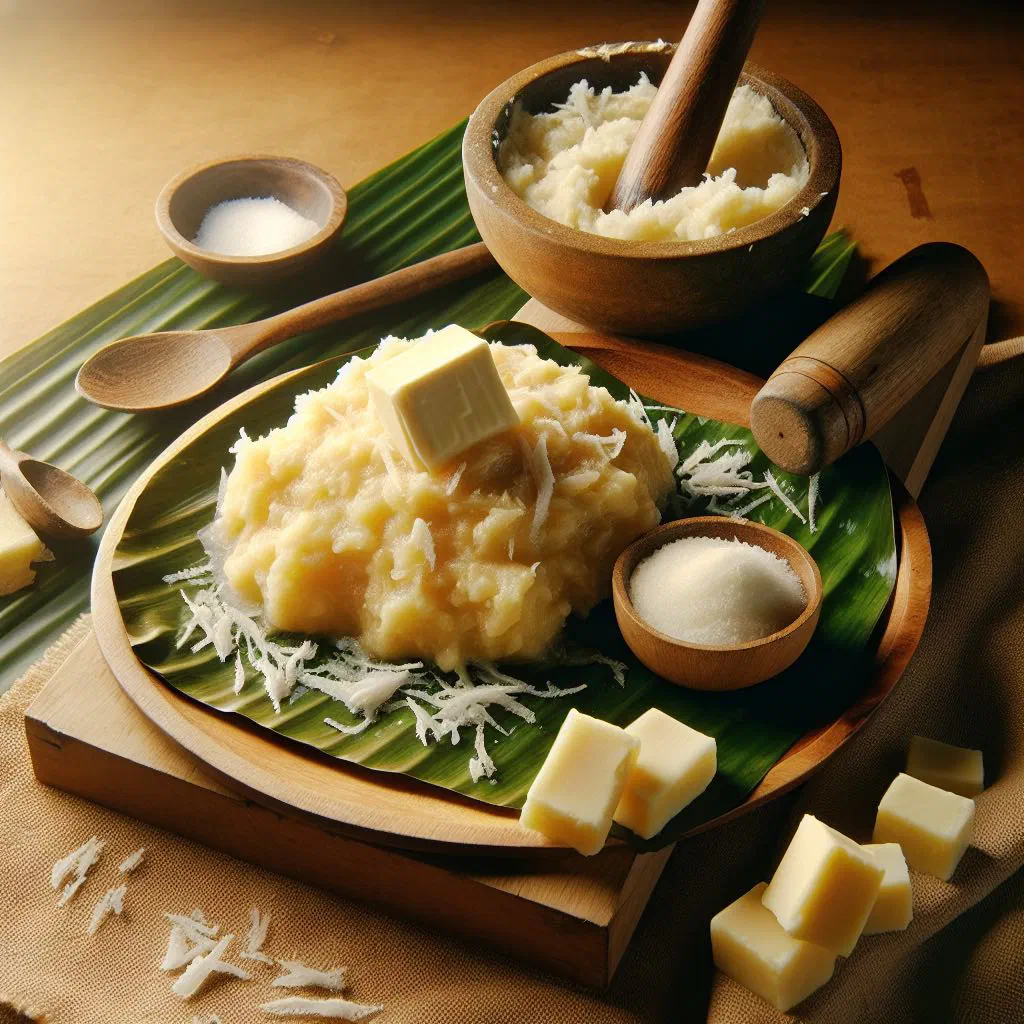
- Put the ripe banana in a bowl and mash thoroughly with a fork until you have a smooth paste.
- Add the cassava flour and mix until it is well incorporated.
- Slowly pour in the coconut milk and stir everything together well.
- Add the sugar and a pinch of salt, sweetening to taste.
- Spoon the mixture into a mould and press down lightly to give it a compact shape.
- Chill in the fridge for about 30 minutes until set.
Gluten-free / lactose-free version
Nilupak is naturally gluten-free, as it is made with cassava flour, which contains no gluten. On top of that, using coconut milk instead of cow’s milk makes it an excellent option for anyone who is lactose intolerant. The recipe can be adapted without any trouble so that it suits everyone following a gluten- or lactose-free diet. Enjoy the dish with a clear conscience and let those delicious flavours win you over.
Tips for vegans and vegetarians
This recipe is ideal for vegans and vegetarians, as it contains no animal products at all. Choosing coconut milk guarantees a creamy consistency and a rich, full flavour without any animal-derived ingredients. Take care, too, to use natural sugar or alternative sweeteners to keep the dish on the lighter side. With a little creativity you can make nilupak in plenty of variations that are both vegan and thoroughly tasty.
More tips and tricks
A few simple tricks can help you get the most out of nilupak. Adding a little grated coconut, for instance, lends extra texture and enriches the overall experience. Experiment with different sweeteners such as honey or agave syrup to tailor the sweetness exactly to your liking. A pinch of cinnamon or nutmeg can also add some exciting little bursts of flavour. The same homely sweetness shines in Maja Blanca, another coconut-rich Filipino favourite.
Adapting the recipe to your taste
One of nilupak’s great strengths is its versatility. You can adjust the quantities of the ingredients to your own taste, dialling the sweetness or the consistency up or down as you please. Some people love to fold in extra nuts or pieces of fruit to enrich the dish. Let your imagination run free and put together your own unique nilupak that ticks all of your personal boxes.
Ingredient substitutions
If you do not have certain ingredients to hand, there are still ways to make nilupak. Instead of cassava flour, for example, you can use rice flour to achieve a similar consistency, the same starchy base that gives Palitaw its lovely chew. In the absence of coconut milk, almond milk or another plant-based milk will do the job, though the flavour of the finished dish will vary slightly. Do not be shy about experimenting with different ingredients.
Drink pairing ideas
Nilupak pairs beautifully with a range of drinks. A fresh coconut drink or a refreshing fruity drink such as a mango smoothie goes perfectly with this dessert. A hot tea or a cool glass of lime water can also be an excellent choice to complement the sweet flavours. Try out different drinks to discover your own perfect match.
Serving and presentation ideas
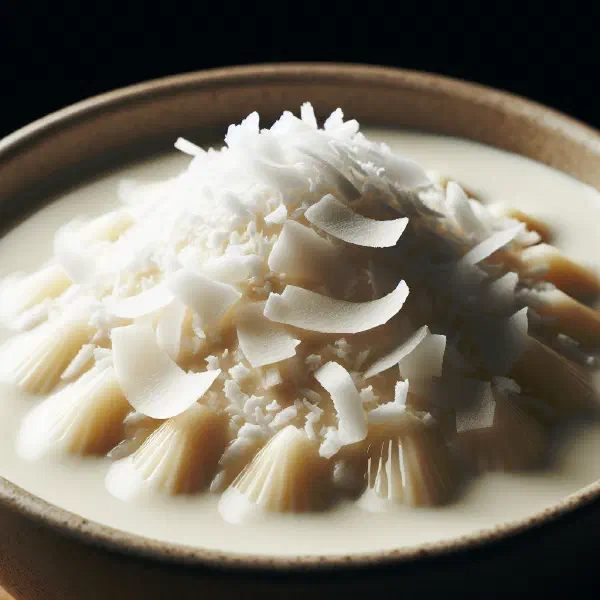
Presentation can improve your nilupak in the eyes of your guests. Serve it in small bowls or on a pretty dessert plate, dressed up with a few fresh pieces of fruit or mint leaves for decoration. A scattering of toasted coconut flakes on top adds both flavour and a lovely visual touch.
A bit of history
Nilupak has a long history in Filipino culture and is a much-loved dish, often prepared for special occasions. It reflects the traditional, blended cooking of the Philippines, which draws together influences from many cultures. The use of cassava and coconut mirrors the ingredients that are widespread throughout the islands and feature so often in traditional cooking. As a true expression of Filipino identity, nilupak is a delicious window into Philippine cuisine and brings people together at festive get-togethers.
More recipe ideas
Summary: Nilupak
Nilupak is a traditional Filipino dessert that charms with its combination of ripe bananas, coconut milk and cassava flour. It is easy to make, utterly delicious and shows off the flavours of Filipino cooking to perfection. Ideal as a snack or a dessert, nilupak becomes a personal favourite thanks to its many possibilities for adaptation. Give this recipe a go and dive into the exciting, sweet world of Filipino food.