National Dish Philippines: Palitaw (Recipe)
In this article
Say hello to Palitaw, one of the Philippines’ best-loved sweet treats. These soft, chewy little rice cakes are boiled until they bob to the surface, then rolled in sugar and grated coconut for a simple yet very good bite. With only a handful of ingredients and a quick, fuss-free method, palitaw is the kind of homely dessert that comes together in minutes. Bring a taste of Filipino tradition straight to your own kitchen.
About Palitaw
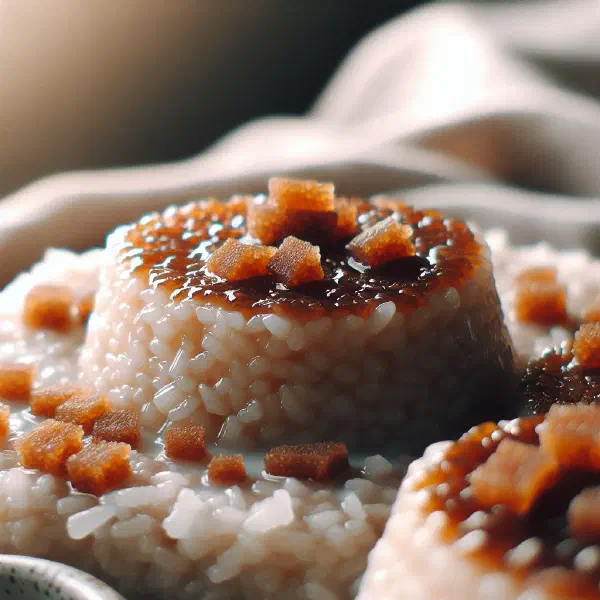
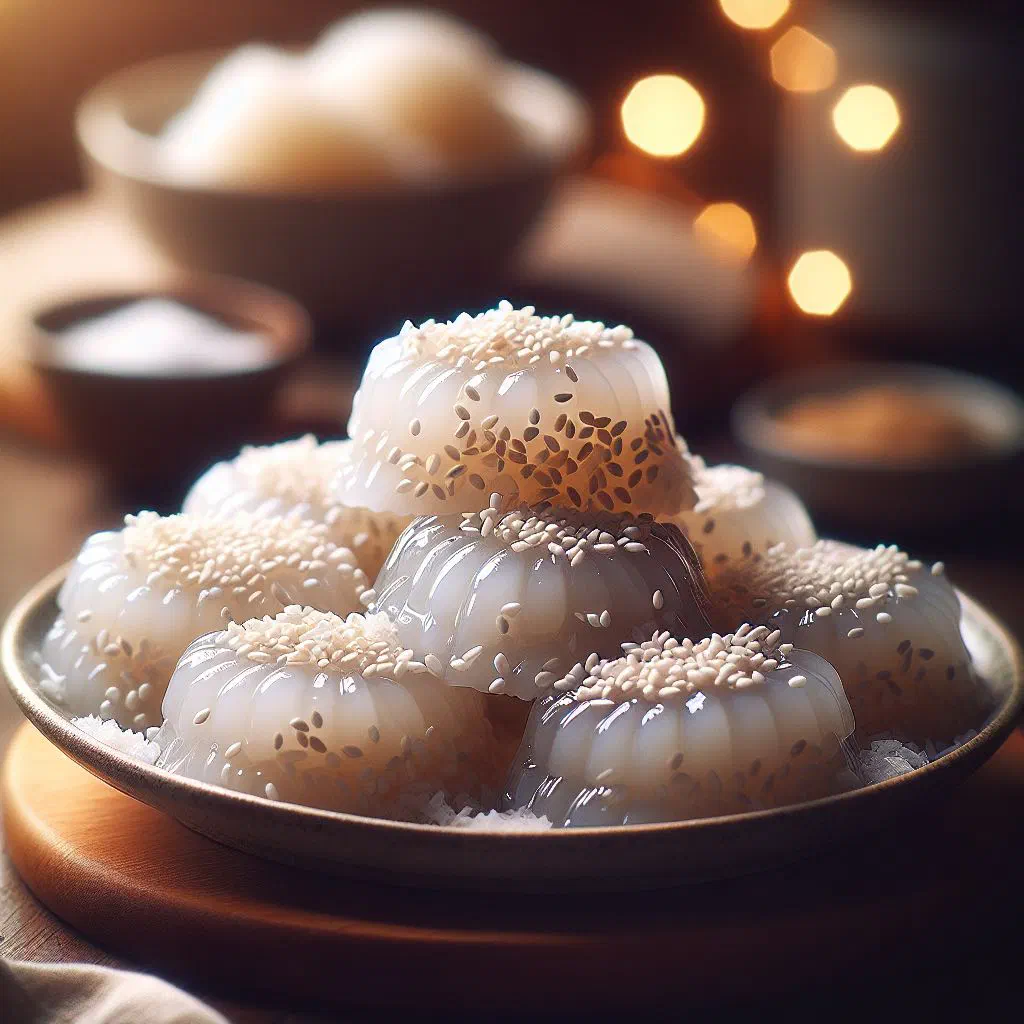
Palitaw is a much-loved Filipino dessert, often served as a snack or sweet treat. It consists of sticky rice cakes that are rolled in sugar and grated coconut to give them a deliciously sweet flavour. The name palitaw comes from the Tagalog word for “to float”, a nod to the way the little cakes rise to the surface of the water once they are cooked through. Part of its enduring appeal lies in the simple ingredients and the speedy, uncomplicated preparation.
Ingredients (serves 1–2)
- 1 cup glutinous rice flour
- 1/2 cup warm water
- 1/4 cup sugar
- 1/2 cup grated coconut
- A pinch of salt
Shopping for the ingredients
The ingredients for palitaw are easy to find and can be picked up at most Asian supermarkets or ordered online. Glutinous rice flour is the key element and ensures the cakes take on the right chewy consistency. Sugar and grated coconut are usually available in several varieties, so you can choose to suit your taste. Aim for good-quality ingredients to get the very best flavour from this classic of Philippine cuisine.
Preparing the dish
Before you start making palitaw, it is worth getting all your ingredients ready and your work surface well organised. Measure out the glutinous rice flour and the warm water accurately, as the right ratio is crucial to the texture. If you are using fresh grated coconut, make sure it is nice and dry beforehand so it does not add extra moisture to the dough. Set up a shallow dish of sugar and grated coconut ready to receive the finished cakes.
Step-by-step instructions
- In a bowl, combine the glutinous rice flour and the warm water, mixing until you have a smooth dough.
- Divide the dough into small portions and shape each one into a little flat cake.
- Bring a large pan of water to the boil and carefully drop in the cakes.
- Once the cakes float to the surface they are done; this takes about 2–3 minutes.
- Lift the cakes out with a slotted spoon and let them drain well.
- Roll the hot cakes in a mixture of sugar and grated coconut, then serve.
Gluten-free / lactose-free version
A great advantage of palitaw is that it is naturally gluten-free and lactose-free, since the main ingredient is glutinous rice flour, which is made from rice rather than wheat. That means anyone with an intolerance can enjoy this delicious dessert too. Just make sure your other ingredients are also free from gluten and lactose, particularly when choosing your sugar and coconut products. As a rule, only natural, unprocessed ingredients are needed to keep the recipe suitable for everyone.
Tips for vegans and vegetarians
Palitaw is an excellent dessert for vegans and vegetarians, as every ingredient is plant-based. It is worth choosing sugar and coconut products that contain no animal-derived components. Unrefined sugar, for example, is often a good pick, as it is in many cases processed without animal-derived processing aids. With fresh, good-quality ingredients you can conjure up a sweet treat that is both wholesome and satisfying.
More tips and tricks
A few extra pointers can take your palitaw to the next level. First, the cakes should always be served hot but never overcooked, so they keep their perfect chewy texture. Experiment with different sugar blends to give your cakes a personal touch. The grated coconut can be lightly toasted to bring out a deeper, more intense aroma that lifts the whole eating experience.
Adapting the recipe to your taste
Palitaw is a flexible dish that adapts easily to different palates. If you prefer it less sweet, cut back on the sugar in the coating and add a little more grated coconut instead. You can also stir in flavours such as vanilla or cinnamon for an interesting variation. Play with the textures too, by adding chopped nuts or dried fruit to create whole new dimensions.
Ingredient substitutions
In many cases the ingredients in palitaw can be swapped to create new variations. For anyone who is not keen on the taste of coconut, flaked almonds or pecans make a fine alternative to grated coconut. The sugar, meanwhile, can be replaced with a different sweetener such as coconut sugar or maple syrup. That keeps the basic recipe intact while letting you tailor the flavour exactly to your liking, much like the playful sweetness of Carioca.
Drink pairing ideas
A range of drinks pairs nicely with palitaw and rounds out the dessert. Coconut water is a refreshing companion that balances the sweetness beautifully. Alternatively, you could serve green tea or a simple black coffee, both of which strike a lovely harmony with palitaw’s gentle flavours. For a more festive mood, a fruity lemonade adds an extra hit of freshness.
Serving and presentation ideas
Presentation can lift the whole palitaw experience and turn it into a feast for the eyes. Serve the cakes on a fresh banana leaf or a decorative plate for an authentic touch. Add a few sprigs of fresh mint or some edible flowers as a garnish to dress things up. Small bowls of extra grated coconut or pieces of fruit alongside the dessert also look inviting and let your guests garnish their palitaw just the way they like.
A bit of history
Palitaw has its origins in the Philippines and is a treasured part of the country’s traditional cooking. This dessert is believed to have been rooted in Filipino culture for centuries, where it is often prepared for festivals and celebrations. Making palitaw is about enjoyment and a way to honour Filipino tradition and hospitality. In many families the recipe is passed down from one generation to the next, which makes it a genuine part of the country’s cultural identity, sharing a sweet kinship with treats like Espasol and Suman.
More recipe ideas
Summary: Palitaw
Palitaw is a simple yet utterly delicious Filipino dessert that is guaranteed to make your mouth water. Whether for special occasions or just because, it is quick and uncomplicated to put together. With its many options for tweaks and add-ins, palitaw is easy to adapt to your personal taste. Treat yourself to this cultural delicacy and bring a little piece of the Philippines to your table.