National Dish Philippines: Pancit Batil Patung (Recipe)
In this article
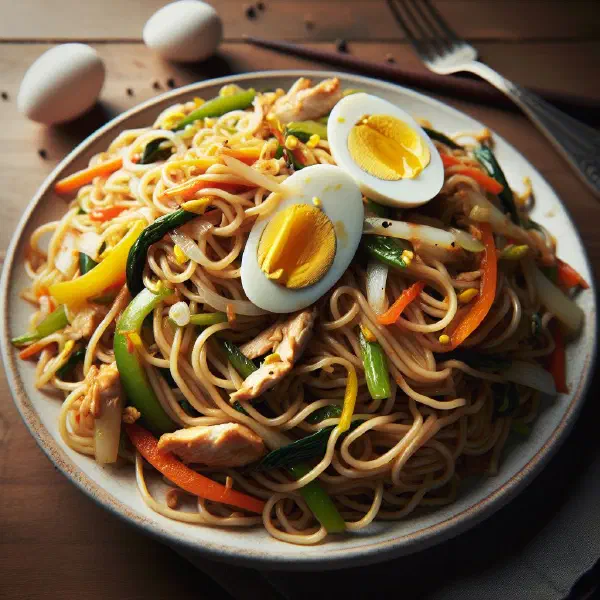
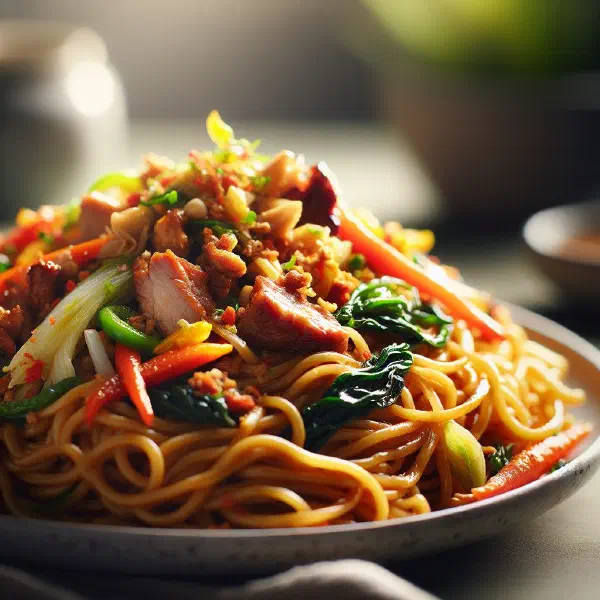
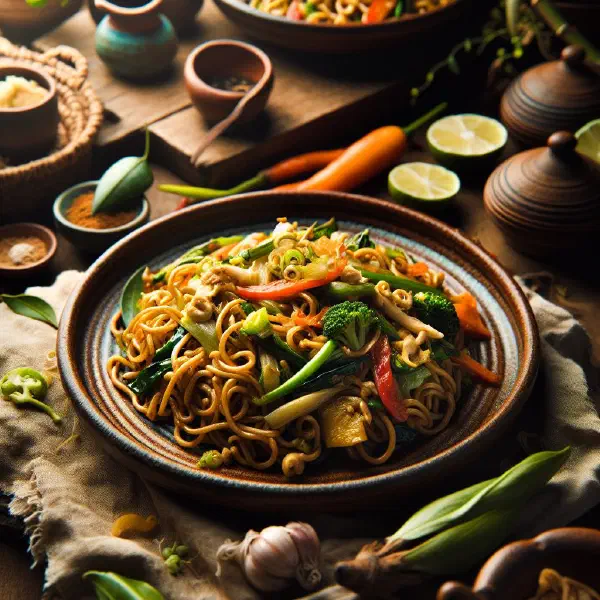
Discover Pancit Batil Patung, a celebrated noodle dish from the northern Philippines. Born in the city of Tuguegarao, it brings together springy fried noodles, tender meat, fresh vegetables and a topping of egg in one generous, satisfying bowl. With its lively mix of flavours and textures, this is a dish made for hearty lunches and special gatherings alike. Bring the taste of the Cagayan Valley straight to your own kitchen.
About Pancit Batil Patung
Pancit Batil Patung is a much-loved Filipino noodle dish best known in the region around Tuguegarao. At its heart are stir-fried noodles, served with a generous array of ingredients such as vegetables, meat and egg. It is often enjoyed at special occasions, or simply as a hearty midday meal that keeps you going through the day.
Ingredients (serves 1–2)
- 200 g fresh egg noodles
- 150 g chicken breast fillet, thinly sliced
- 1 cup vegetables (carrots, peppers and onions)
- 2 eggs
- 2 tablespoons soy sauce
- 1 tablespoon Worcestershire sauce
- 1 teaspoon garlic, finely chopped
- 3 cups chicken stock
- Fresh coriander leaves, to garnish
Shopping for the ingredients
You will find the ingredients for pancit batil patung in Asian grocery shops or in well-stocked supermarkets. Be sure to use fresh noodles to achieve the perfect texture and full flavour. Chicken breast is a common choice of protein, but you can just as easily use beef or pork to tailor the dish to your taste. For the vegetarians among us, tofu also makes a fine stand-in for the meat.
Preparing the dish
Before you start cooking, it pays to prepare all your ingredients carefully. Cut the vegetables into small pieces and slice the chicken into fine strips. This makes the cooking go smoothly and ensures everything cooks through evenly. The noodles should also be ready in a bowl so they are on hand when you need them. If you like, you can make the stock in advance and let it cool a little.
Step-by-step instructions
- Steam the noodles according to the packet instructions until cooked, then set them aside.
- Heat a little oil in a large pan or wok and fry the chicken fillet until golden brown.
- Add the garlic and vegetables and stir-fry until softened.
- Pour in the chicken stock, soy sauce and Worcestershire sauce, and stir everything together well.
- Beat the eggs in a bowl, then add them to the pan while stirring.
- Fold the cooked noodles through the mixture and let everything simmer for 2–3 minutes.
- Serve the dish warm and garnish with fresh coriander leaves.
Gluten-free / lactose-free version
For a gluten-free take on pancit batil patung, you can use gluten-free noodles. These are widely available in supermarkets and let you enjoy the dish with no compromise on flavour. For a lactose-free preparation, plant-based oils and dairy-free alternatives work well to suit your dietary needs. Do check that any sauces you use are free from gluten and lactose, as soy and Worcestershire sauces can sometimes contain both.
Tips for vegans and vegetarians
Vegans and vegetarians can adapt pancit batil patung easily by leaving out all animal products. Instead of chicken, reach for tofu or tempeh to add both protein and texture. A vegetable stock can stand in for the chicken stock while keeping the flavour full and rich. Including a good variety of vegetables also makes the dish nourishing and colourful, much like a simple plate of Vegetable Lumpia.
More tips and tricks
One small trick to make your pancit batil patung especially tasty is to use fresh herbs and spices. These lend the dish flavour and colour and aroma. You can also experiment with different types of noodles to discover new tastes. Play with the amount of sauce you add to give the dish a personal touch that suits your own palate.
Adapting the recipe to your taste
The flexibility of pancit batil patung means you can shape the recipe entirely to your own liking. If you enjoy spicy flavours, add a scattering of chilli flakes or a dash of hot sauce. For a sweeter note, work in a little sugar or some extra carrots. Adjustments like these make the dish your own and can help turn it into a firm family favourite.
Ingredient substitutions
If you do not have every ingredient to hand, there are plenty of substitutes you can use. Rice noodles make an excellent alternative to the traditional egg noodles. Likewise, other vegetables such as broccoli or courgette add a welcome change.
Drink pairing ideas
Certain drinks pair especially well with pancit batil patung, such as a fresh fruit juice or a non-alcoholic Asian-style beer. For an alcohol-free option, green tea is also a good choice, complementing the dish nicely. If you are after something a little special, try coconut water to round out the delicious eating experience. These drinks bring the meal together in harmony.
Serving and presentation ideas
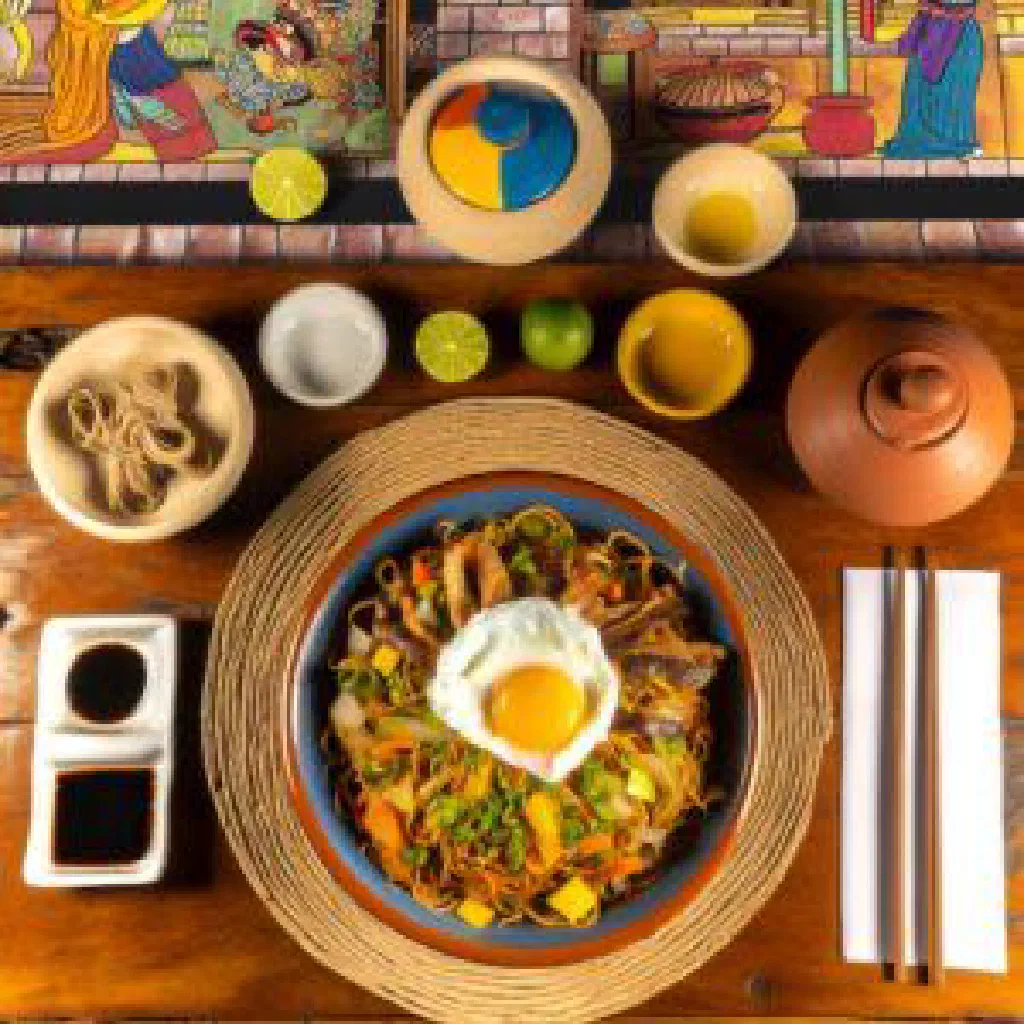
Presentation can lift the whole experience considerably. Serve pancit batil patung in a large bowl and garnish it with fresh coriander leaves and a slice of lime. Colourful tableware can also make the dish stand out and lend it a festive feel. If you have guests, set small dishes of different sauces on the table to create an interactive, shared experience.
A bit of history
Pancit has its origins in the Philippines and is a symbol of Filipino culture. The word “pancit” comes from Tagalog and means “noodles”, and the many kinds of pancit represent the country’s varied regional and cultural traditions. Pancit batil patung is especially popular in the Cagayan region and has established itself over the years as a much-loved dish, a fine example of Philippine cuisine. Many Filipino families prepare it for celebrations and special occasions, passing the tradition down from one generation to the next, alongside other classics like Pancit Cabagan.
More recipe ideas
Summary: Pancit Batil Patung
Pancit batil patung is a tasty and many-layered noodle dish that embodies the flavours of the Philippines. It is simple to prepare and the ingredients are flexible, making it an ideal choice for any family meal or special event. So why not give it a go this evening and savour the delicious flavours of this Filipino speciality?