National Dish Philippines: Pancit Bato (Recipe)
In this article
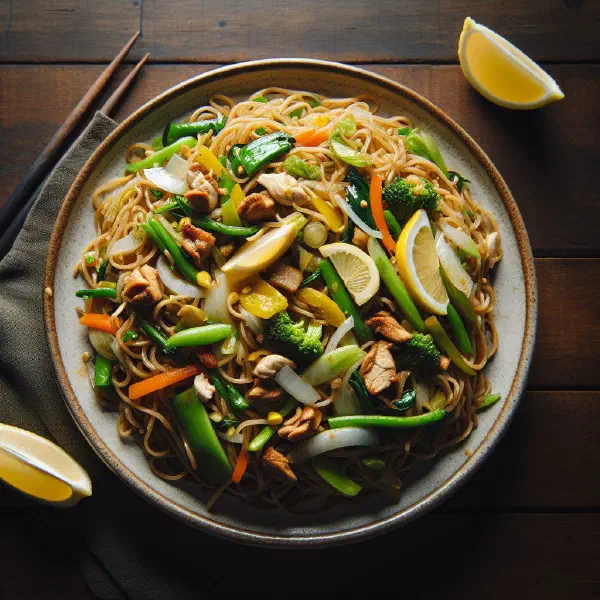
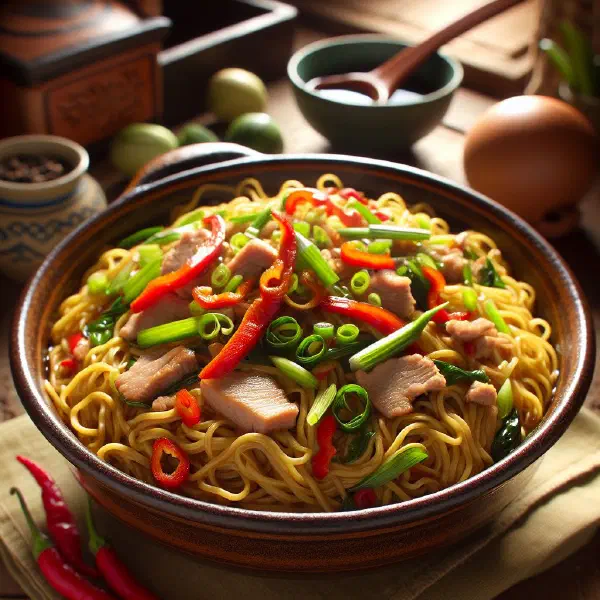
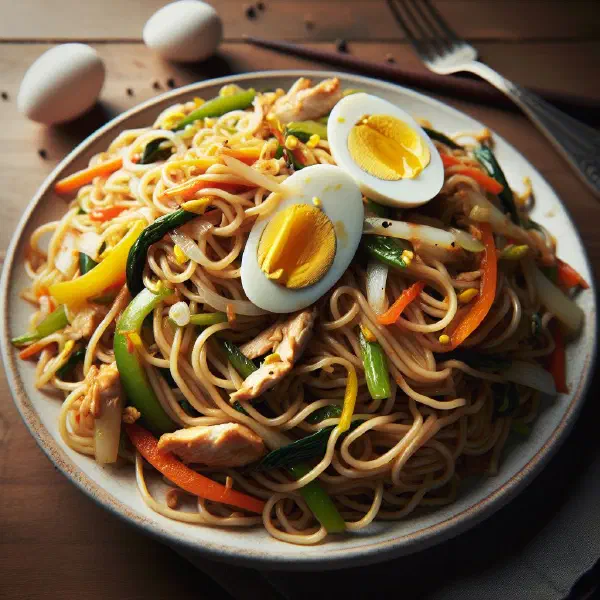
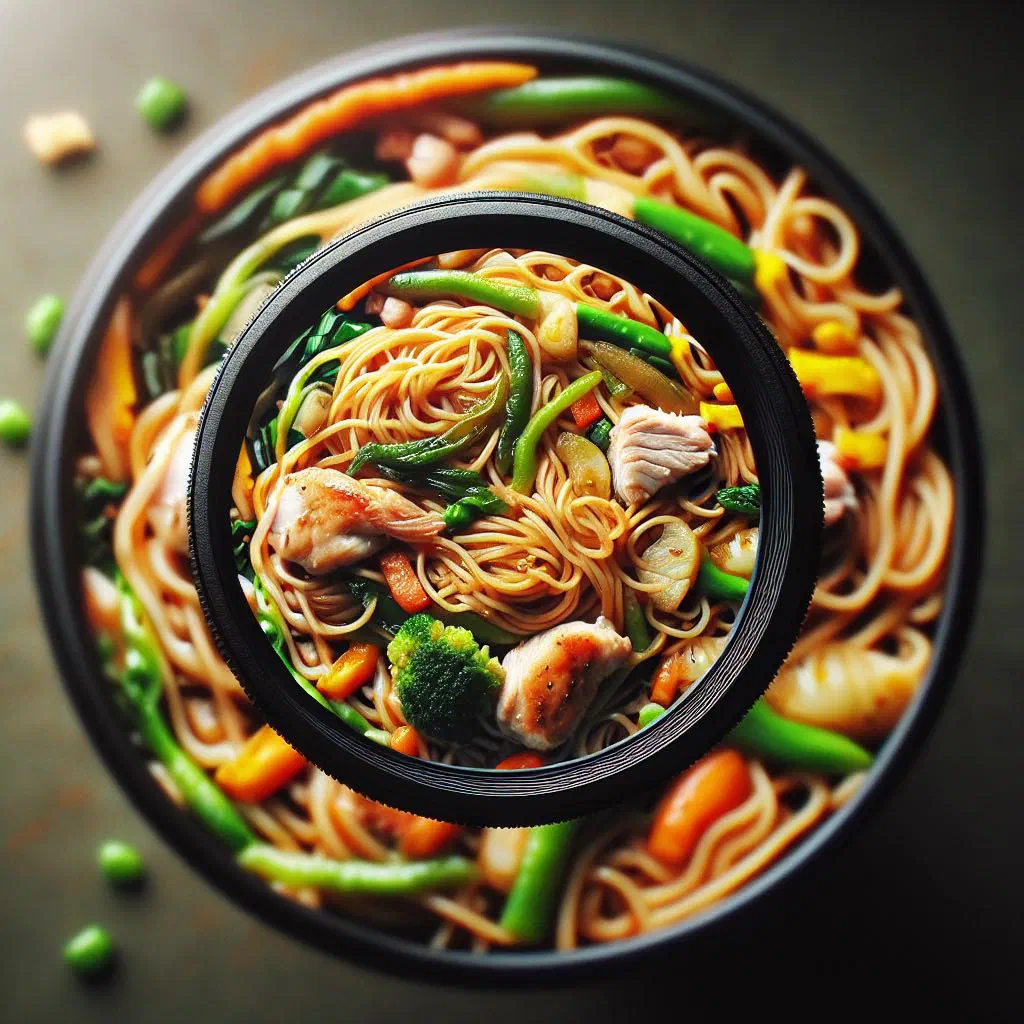
Say hello to Pancit Bato, a noodle dish that carries the heart of the Bicol region in every bite. Built around springy rice noodles, fresh vegetables and your choice of chicken or tofu, it is the kind of dish that brings people together around a busy table. Quick to throw together yet generous with flavour, it captures the easy-going warmth of Filipino home cooking. Perfect for a relaxed weeknight or a lively get-together with friends.
About Pancit Bato
Pancit Bato is a traditional dish from the Philippines that traces its roots to the Bicol region. What sets it apart are its distinctive rice noodles, made from rice flour and named after the town of Bato (literally “stone”), which lends the dish its character. Pancit Bato is often served at celebrations and fiestas, where preparing it tends to be a sociable, hands-on affair. It is a lovely example of how Filipino cuisine brings flavours and textures together to create a meal you will not forget.
Ingredients (serves 1–2)
- 200 g Pancit Bato noodles
- 150 g chicken or tofu
- 1 cup vegetables (e.g. carrots, peppers, peas)
- 2 tablespoons soy sauce
- 1 tablespoon vegetable oil
- 1 clove garlic, chopped
- 1 onion, diced
- Salt and pepper to taste
Shopping for the ingredients
The ingredients for Pancit Bato are easy to find in most Asian grocery shops. Try to choose good-quality, fresh vegetables, as this makes a real difference to the finished dish. Rice noodles come in several varieties, so make sure you pick up the right kind for Pancit Bato. If you would like to prepare a vegan or gluten-free version, check the labels carefully for any hidden allergens.
Preparing the dish
Before you start cooking Pancit Bato, the noodles need to be soaked or boiled according to the packet instructions. While that is happening, get your vegetables ready by washing, peeling and chopping them. It is also worth marinating the chicken or tofu to build up extra flavour. A little groundwork makes the actual cooking quicker and far more relaxed when it is time to bring everything together.
Step-by-step instructions
- Heat the vegetable oil in a large pan over medium heat.
- Add the chopped garlic and onion and fry until golden.
- Add the marinated chicken or tofu and cook until fully done.
- Stir in the vegetables and fry everything together for a few minutes.
- Add the soaked or boiled Pancit Bato noodles, followed by the soy sauce.
- Toss well and let it simmer for a few minutes until everything is evenly combined.
- Season with salt and pepper and serve hot.
Gluten-free / lactose-free version
To make Pancit Bato gluten-free, use gluten-free soy sauce and check that the noodles themselves contain no gluten. Rather than using any dairy, reach for the plant-based alternatives that feature so often in vegan cooking. For a lactose-free version, simply adjust the recipe as needed and make sure every ingredient is lactose-free.
Tips for vegans and vegetarians
Pancit Bato is easily turned into a vegan or vegetarian meal by swapping the chicken for tofu or another plant-based protein. You can also add extra vegetables such as broccoli or courgette to make the dish even more nourishing. Use a good vegetable stock in place of meat stock for more depth of flavour. Experiment with different spices to fine-tune the dish to your own taste.
More tips and tricks
To boost the aroma of Pancit Bato, try adding extra ingredients such as ginger or chilli. You can also vary the vegetables according to the season or your own preferences, giving each forkful a fresh twist. If you prefer the dish a little less dry, stir in a touch more soy sauce or stock. A mix of fresh herbs can lend the whole thing a bright, lively finish.
Adapting the recipe to your taste
Pancit Bato lends itself wonderfully to personal preference, feel free to vary the type of noodles, the vegetables and the seasonings. Bring in regional ingredients to give the dish your own signature touch. Sometimes a scattering of peanuts or cashews adds a welcome bit of crunch. A little love and creativity turns making Pancit Bato into an experience all your own, much like a comforting bowl of Pancit Bihon.
Ingredient substitutions
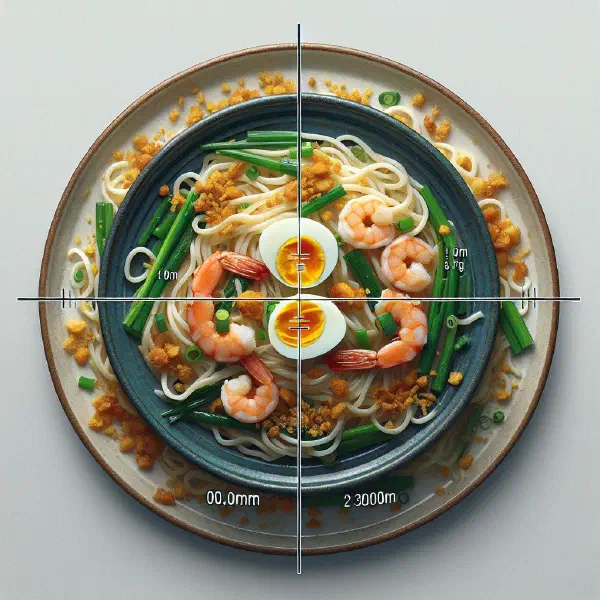
If you do not have rice noodles to hand, you can use other noodles such as glass noodles or even spaghetti. Just bear in mind this will shift the character of the dish slightly. Instead of chicken, you could add fish or seafood if you fancy, as in the heartier Pancit Malabon. For a thicker, chewier noodle, try the approach used in Pancit Canton. Every time you adjust the ingredients, you create a fresh and exciting new dish.
Drink pairing ideas
Pancit Bato pairs beautifully with a range of drinks that complement its savoury flavours. A light, crisp white wine or a well-chilled pilsner stands up nicely to the hearty notes. For alcohol-free options, a homemade lemonade or a refreshing green tea works a treat. The right drink rounds off the meal and makes for a thoroughly satisfying spread.
Serving and presentation ideas
To present Pancit Bato at its best, scatter fresh herbs such as coriander or spring onions over the top. Thoughtful tableware and a tidy arrangement help the dish stand out. For a splash of extra colour, serve it on a brightly coloured plate or platter. A few lime wedges around the rim double as decoration and add a welcome hit of freshness.
A bit of history
Pancit Bato draws on the long tradition of noodle dishes in Filipino cuisine and is a fine example of how local ingredients meet cultural influences. The Bato noodles originally come from the Bicol region, where rice is grown in abundance. The dish is cherished well beyond its home turf, and it is traditionally served at celebrations, a reminder of just how sociable a good plate of pancit can be. It sits proudly alongside other classics of Philippine cuisine.
More recipe ideas
Summary: Pancit Bato
Pancit Bato is a delicious and versatile dish that captures the charm of Filipino cuisine. It is simple to prepare and easy to tailor to your own tastes. Lactose-free or gluten-free version, the possibilities are all but endless. This dish promises a memorable flavour experience that shines just as brightly at family dinners as it does at festive occasions.