National Dish Philippines: Pancit Bihon (Recipe)
In this article
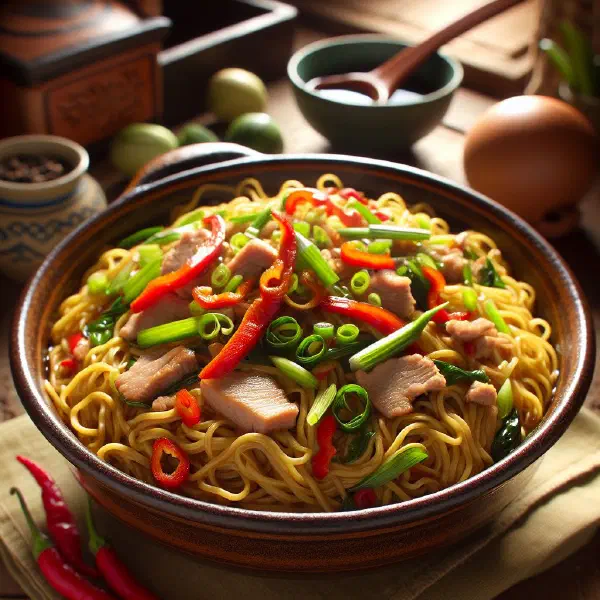
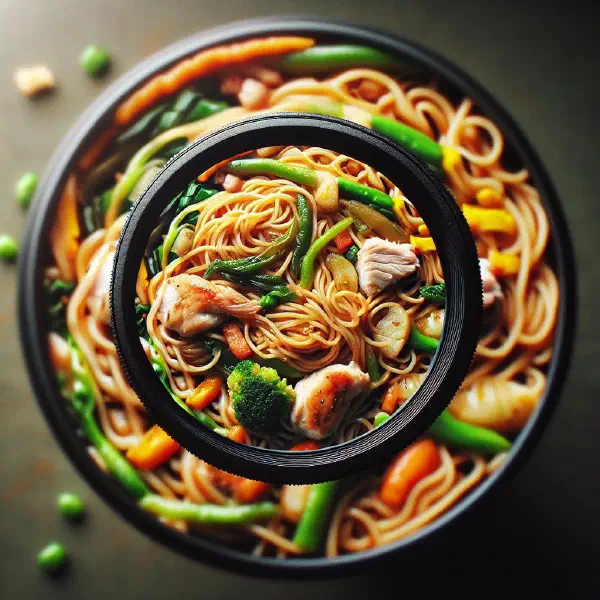
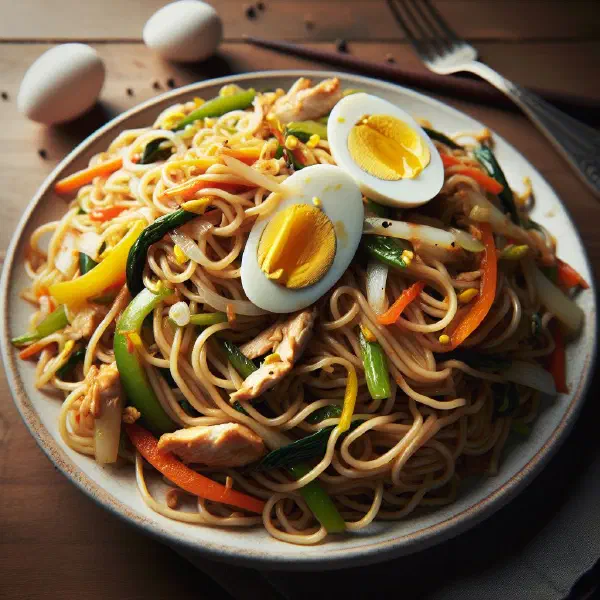
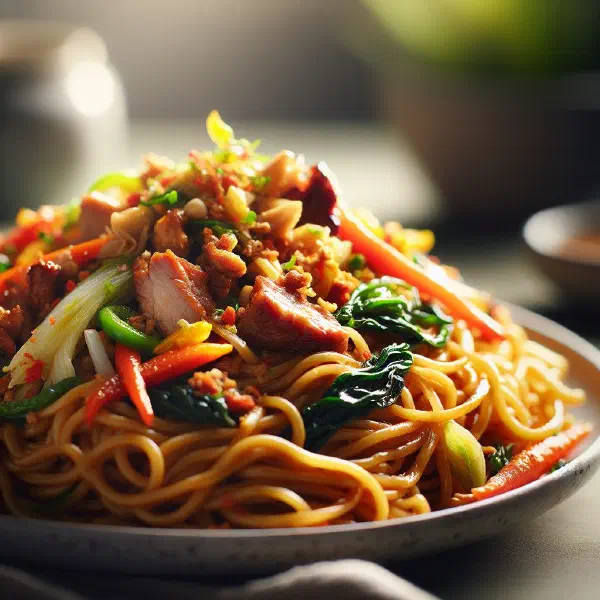
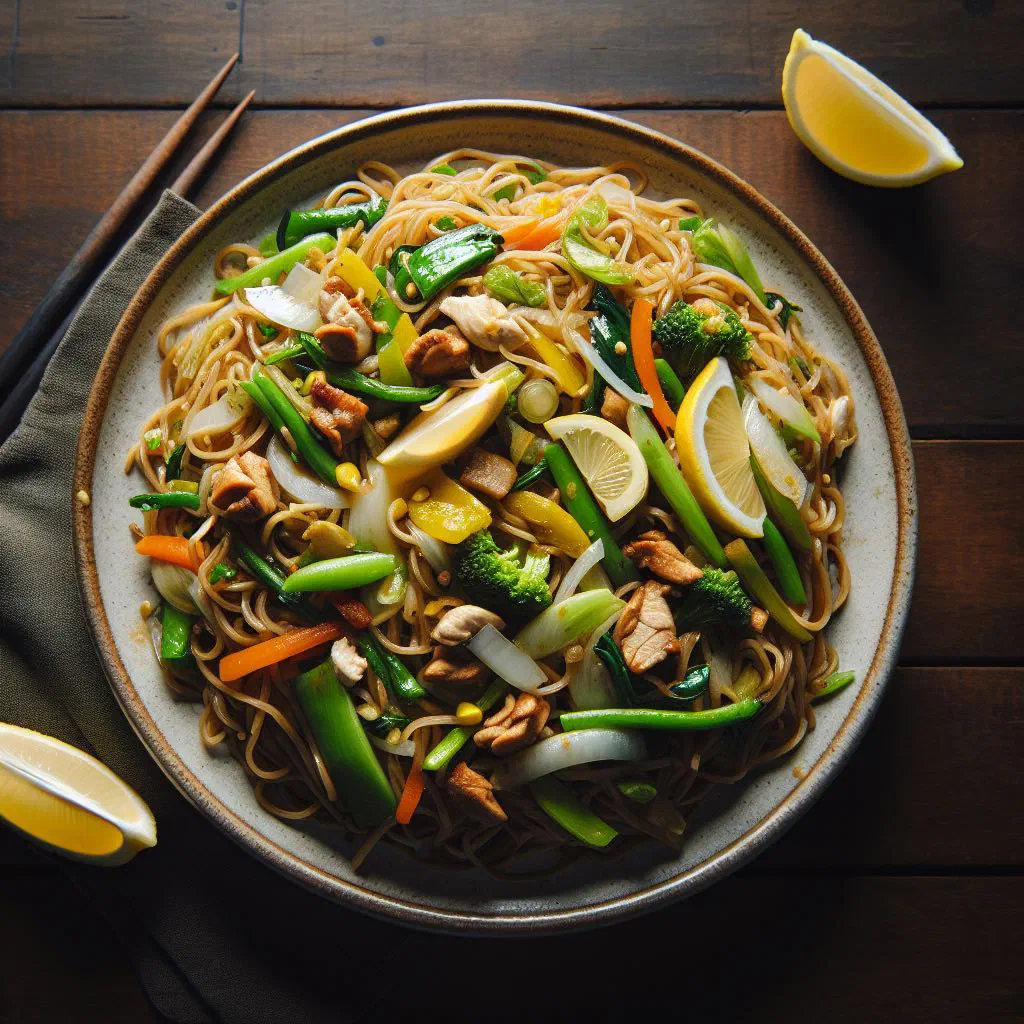
Say hello to Pancit Bihon, the cheerful tangle of rice noodles that turns up at nearly every Filipino celebration. Thin, springy strands are tossed with tender chicken, crisp vegetables and a savoury splash of soy sauce, then finished with a squeeze of fresh lime. More than just a quick stir-fry, this dish is a symbol of long life and good fortune, and it is every bit as comforting on an ordinary weeknight as it is at a birthday feast. Bring a little of the Philippines to your own table with this simple, satisfying classic.
About Pancit Bihon
Pancit Bihon is a traditional Filipino noodle dish built around delicate rice noodles known as bihon. It is far more than a tasty meal: the dish carries deep cultural meaning, often appearing at celebrations and family gatherings as a symbol of long life and prosperity for the year ahead. The pairing of fresh vegetables with tender meat makes Pancit Bihon a balanced and nourishing dish that everyone can enjoy, whether served as the centrepiece of a party spread or as an easy supper at home.
Ingredients (serves 1–2)
- 100 g rice noodles (bihon)
- 100 g chicken breast, cut into fine pieces
- 1 carrot, cut into thin strips
- 1/2 cup green beans, cut into 3 cm lengths
- 1 onion, diced
- 2 cloves garlic, chopped
- 2 tablespoons soy sauce
- 2 tablespoons oil (such as groundnut or vegetable oil)
- Salt and pepper to taste
- Fresh lime, to serve
Shopping for the ingredients
The ingredients for Pancit Bihon are available in most Asian grocery shops and well-stocked supermarkets. Rice noodles, particularly the bihon variety, are the heart of this dish and worth seeking out for an authentic result. Fresh vegetables such as carrots and green beans are easy to find and add both colour and a pleasant crunch. If you cannot track down a particular ingredient, there are usually good alternatives on hand that still deliver plenty of flavour.
Preparing the dish
Before you start cooking Pancit Bihon, it pays to get all your ingredients ready. The rice noodles need to be soaked in hot water first so they turn soft and pliable, which usually takes around 20–30 minutes. While the noodles soak, you can slice the vegetables and dice the meat so everything is within easy reach. This bit of groundwork makes the cooking itself far smoother and quicker, much as it does for a hearty bowl of Pancit Sotanghon.
Step-by-step instructions
- Soak the rice noodles in hot water until soft, then drain well.
- Heat the oil in a large pan or wok and sauté the onion and garlic until translucent.
- Add the chicken and fry until cooked through and lightly browned.
- Add the carrots and green beans and stir-fry briefly until the vegetables are just tender.
- Tip in the soaked rice noodles along with the soy sauce and toss everything together well.
- Season with salt and pepper and continue to stir-fry until piping hot.
- Serve the dish hot, garnished with fresh lime if you like.
Gluten-free / lactose-free version
Pancit Bihon is easy to make gluten-free simply by using a gluten-free soy sauce. Rice noodles are naturally free from gluten, which makes this dish an ideal choice for anyone with a gluten intolerance. There is no lactose in the recipe at all, so those who are lactose intolerant can enjoy it without a second thought. Do take a moment to check every ingredient yourself, especially the soy sauce, to avoid any hidden traces.
Tips for vegans and vegetarians
For a vegan version of Pancit Bihon, swap the chicken for tofu or tempeh. These protein sources cook in much the same way and soak up the flavours of the soy sauce and vegetables beautifully. You can also add extra vegetables such as peppers or courgette to broaden the flavours. Be sure to choose a vegan-friendly soy sauce too, as some brands may contain animal-derived ingredients, a tip that also serves you well when making Vegetable Lumpia.
More tips and tricks
A few tricks can make Pancit Bihon even more delicious. Experiment with different vegetables such as broccoli or pak choi to ring the changes. A dash of sesame oil at the end of cooking adds an extra layer of aroma. You can also garnish the dish with spring onions and coriander to lend a fresh, bright note that lifts the whole bowl.
Adapting the recipe to your taste
Pancit Bihon is wonderfully versatile and easy to tailor to your own preferences. If you want a more intense flavour, add a little more garlic or some fresh ginger. To give it a kick, simply stir in a few red chilli flakes or fresh chilli. Adjust the amount of soy sauce to suit your taste and the extra ingredients you have added, so the dish comes out exactly the way you like it.
Ingredient substitutions
If you struggle to find certain ingredients, there are plenty of alternatives. In place of chicken you can use prawns or pork, both of which work splendidly here, pork especially, in the spirit of a slow-cooked Pork Humba. Vegetables such as red peppers or courgette also pair well with the dish and broaden its range of flavours. Rice noodles can sometimes be swapped for other types of noodle, though this may shift the dish away from its characteristic taste.
Drink pairing ideas
Several drinks make ideal companions for Pancit Bihon. A refreshing glass of green tea harmonises beautifully with the dish and adds an extra touch of freshness. Asian beers are another popular choice that complements the flavours of the cuisine. For those who prefer something alcohol-free, fruity lemonades or coconut water are a refreshing option.
Serving and presentation ideas
Presentation matters a great deal when serving Pancit Bihon. An attractive serving platter or a large bowl makes the dish all the more inviting. Garnish the noodles with fresh herbs such as coriander or spring onions for a splash of colour. Wedges of lime arranged around the rim of the plate give the dish a refreshing look while also being a handy accompaniment at the table.
A bit of history
Pancit has a long and significant history within Philippine cuisine. The roots of the dish reach back to Chinese culture, where noodles played a central role in cooking. Over the years, Pancit Bihon grew into one of the most beloved dishes in the Philippines, frequently served at celebrations and festivals. Both the cooking and the sharing of this dish are an expression of tradition and community, values deeply rooted in Filipino life.
More recipe ideas
Summary: Pancit Bihon
Pancit Bihon is far more than a simple noodle dish. It is a symbol of the culture and tradition of the Philippines. With its combination of tender rice noodles, fresh vegetables and aromatic meat, it offers a harmonious explosion of flavour. Its straightforward preparation makes it an ideal dish for special occasions and everyday meals alike. Let this recipe inspire you and bring the taste of the Philippines to your own table.