National Dish Philippines: Pancit Habhab Lucban (Recipe)
In this article
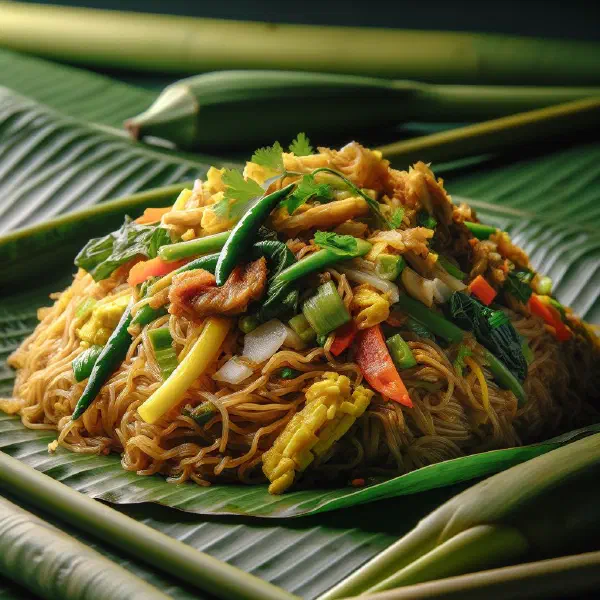
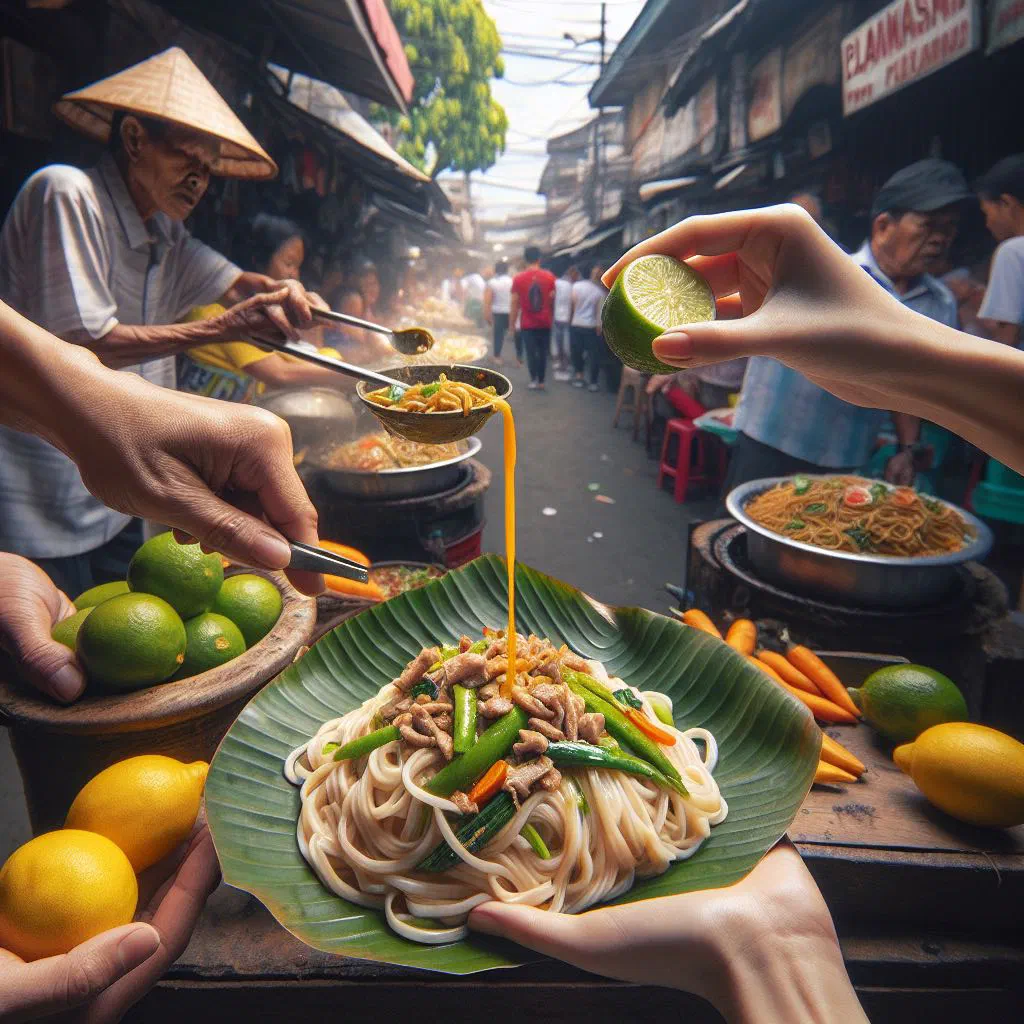
Meet Pancit Habhab Lucban, a much-loved noodle dish from the Quezon province of the Philippines that is traditionally eaten straight off a banana leaf. No fork required. Bright with fresh vegetables, savoury soy sauce and a lift of citrus, it is the kind of dish you find at festivals and roadside stalls alike. Easy to put together and endlessly adaptable, it brings a genuine taste of Filipino street food right to your own kitchen.
About Pancit Habhab Lucban
Pancit Habhab Lucban is a traditional Filipino noodle dish that hails from the town of Lucban in Quezon province. It stands out for its use of fresh ingredients and natural flavours, brought together in perfect harmony. What makes it truly distinctive is the way it is served, laid out on banana leaves rather than a plate, which lends the dish a special character and turns it into a feast for the eyes as much as the palate. More than just a meal, it tells a story of the rich cultural diversity of the Philippines.
Ingredients (serves 1–2)
- 200 g rice noodles
- 150 g chicken or tofu (for a vegetarian option)
- 1 carrot, cut into fine strips
- 100 g green pepper, diced
- 2 spring onions, chopped
- 2–3 cloves garlic, chopped
- Soy sauce, to taste
- Salt and pepper, to taste
- A squeeze of lime juice
Shopping for the ingredients
To make pancit habhab Lucban, look for fresh ingredients at an Asian grocery or a well-stocked supermarket. The rice noodles and fresh vegetables in particular are key to that authentic flavour. Be sure to choose a good-quality soy sauce, as it has a real impact on the final result. When it comes to the protein, you can pick whichever of chicken or tofu best suits your preferences.
Preparing the dish
Before you start cooking, wash and prepare all the ingredients thoroughly. Cut the vegetables into even pieces so they cook in the same amount of time. If you are using chicken, slice it into small pieces so it cooks quickly and evenly. For the vegetarian version, reach for tofu, which can be seasoned well so it soaks up plenty of flavour as it cooks.
Step-by-step instructions
- Cook the rice noodles according to the packet instructions and set aside.
- Heat a little oil in a pan and fry the garlic until golden brown.
- Add the chicken or tofu and cook until done through.
- Stir in the carrot and green pepper, and fry until the vegetables are just tender.
- Add the cooked noodles, pour over the soy sauce and toss everything together well.
- Season to taste with salt, pepper and a squeeze of lime juice.
- Serve on a banana leaf for the authentic experience.
Gluten-free / lactose-free version
For a gluten-free version of pancit habhab Lucban, simply use rice noodles, which are naturally free from gluten. Just make sure your soy sauce is gluten-free too, as many shop-bought varieties contain wheat. As for lactose, the dish contains none to begin with, making it an ideal choice for anyone with a lactose intolerance. That means you can enjoy this delicious dish with complete peace of mind.
Tips for vegans and vegetarians
Vegans and vegetarians can adapt this dish very easily by swapping the chicken for tofu or another plant-based protein. The vegetables are flexible too, courgette or pak choi, for example, both work beautifully. To pack in even more flavour, ramp up the spices or use a vegetable stock in place of water to give the noodles extra depth. That way, vegan and vegetarian diners get just as much to enjoy. The same plant-forward spirit shines in dishes like Bulanglang Na Gulay.
More tips and tricks
A good way to add even more variety is to toss in some dried shrimp or other seafood, if you are not cooking vegetarian or vegan. You can also add nuts such as peanuts or cashews for extra crunch and aroma. Another tip is to give the dish a spicy kick with chilli paste or fresh chillies. Experiment with different combinations of vegetables and seasonings to create your very own version of pancit habhab, much like you would tailor a bowl of Pancit Bihon.
Adapting the recipe to your taste
The beauty of pancit habhab Lucban lies in just how versatile the recipe is. Feel free to choose the vegetables you like best, or vary the ingredients depending on what you have to hand. If you prefer things hotter, increase the amount of chilli or even serve a spicy sauce on the side. Just be sure to season the dish generously to bring out the very best of its flavour.
Ingredient substitutions
If you cannot find certain ingredients, there are always good alternatives. In place of rice noodles you could use vegetable noodles or wheat noodles, depending on your dietary preferences. For a different protein source, chickpeas or seitan both work well. Even the vegetable choice can be adapted, so you can vary things by season and availability to get the best possible flavour, the same easy-going approach found in Pancit Canton.
Drink pairing ideas
Pancit habhab Lucban pairs beautifully with classic Filipino drinks, such as a refreshing Halo Halo or buko juice (coconut water). Alternatively, a light Asian tea rounds off the aromas nicely while offering a gentle counterpoint to the savoury notes. Water, of course, is always a refreshing option too.
Serving and presentation ideas
To serve pancit habhab Lucban in style, arrange it creatively on banana leaves, which look lovely and add a subtle flavour. A garnish of fresh herbs such as coriander or basil makes an even better impression. You could also decorate the noodles with colourful strips of vegetables or some toasted nuts to add contrast to the plate. Presentation matters as much as taste, and it turns the meal into a truly special occasion.
A bit of history
Pancit habhab has its origins in the Quezon province, where it is often served at festive gatherings of all kinds. Making these noodles is part of Filipino tradition and symbolises long life and good appetite. The use of banana leaves harks back to old customs, when these leaves served as natural plates and enriched the flavour of the food. Traditionally the dish is served at special celebrations, which underlines its cultural significance within Philippine cuisine.
More recipe ideas
Summary: Pancit Habhab Lucban
Pancit habhab Lucban is a delicious noodle dish and a reflection of the rich cultural history of the Philippines. With fresh ingredients, aromatic seasonings and that distinctive serving style on banana leaves, it becomes a truly unique culinary experience. This dish brings a piece of Filipino culture straight to your table. Discover the variety and the flavours that make pancit habhab such a genuine treat.