National Dish Philippines: Pancit Habhab (Recipe)
In this article
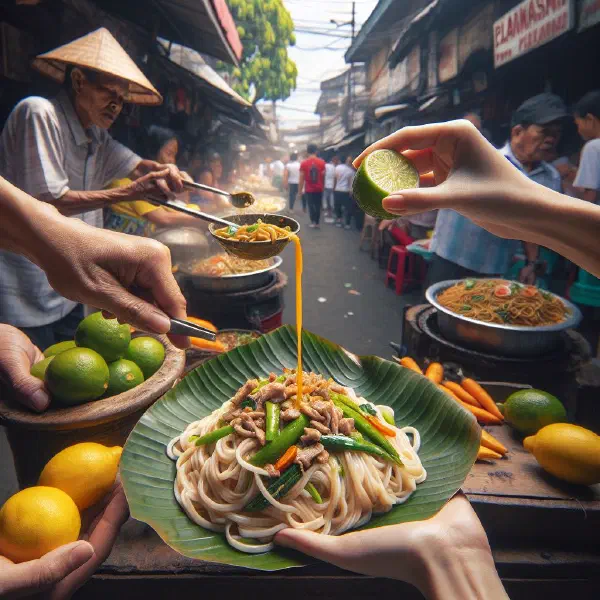
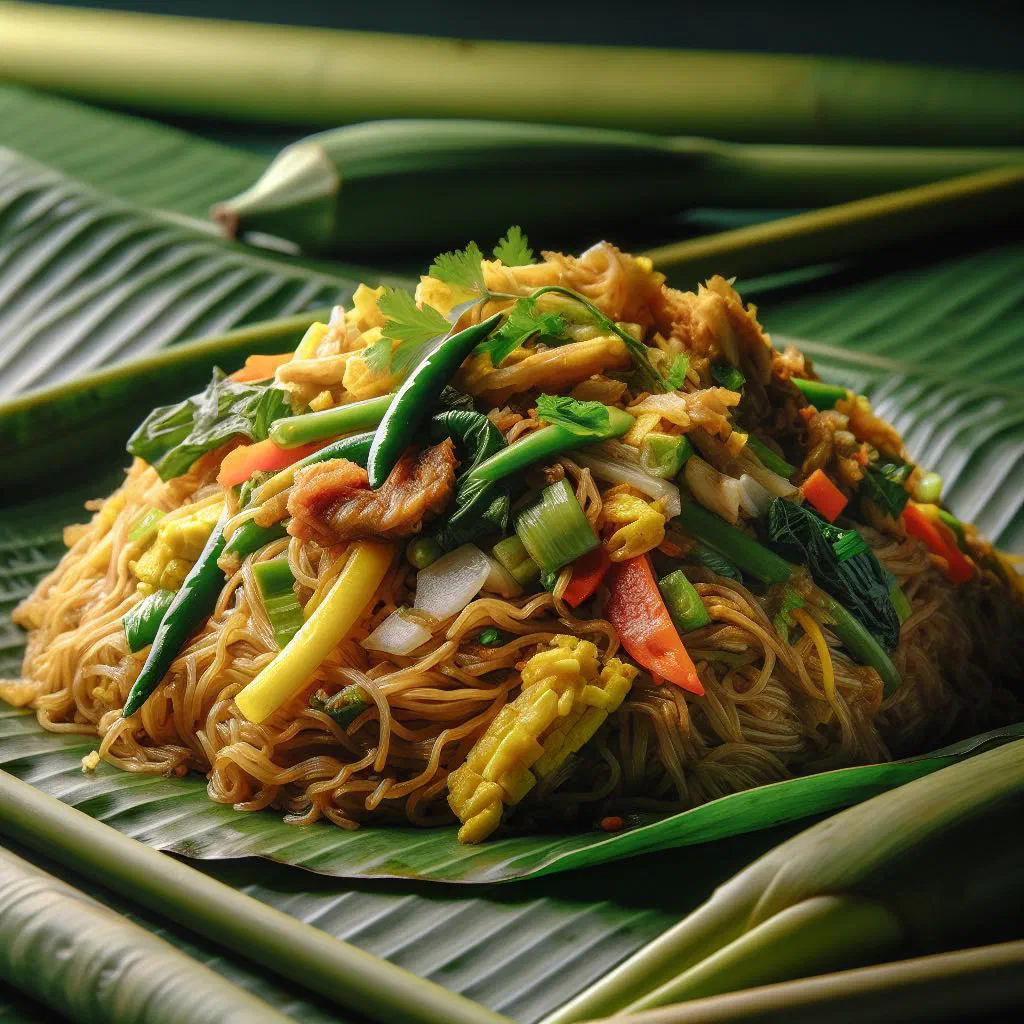
Say hello to Pancit Habhab, the cheerful noodle dish that hails from the Philippine province of Quezon. Slippery rice noodles are tossed with crisp vegetables and a savoury splash of soy sauce, then traditionally eaten straight off a banana leaf. No fork required. With its bright flavours and easygoing preparation, it turns a humble bowl of noodles into a real celebration of taste, and it brings a little fiesta spirit to your kitchen.
About Pancit Habhab
Pancit Habhab is a traditional Filipino noodle dish that is especially beloved in the Quezon region. It stands out for its simple yet boldly seasoned ingredients, which come together in perfect harmony. Most characteristic of all are the rice noodles, tossed in a tangy, savoury sauce. That lively flavour is often rounded out with the addition of vegetables and meat, such as chicken or pork, making it a hearty and satisfying favourite.
Ingredients (serves 1–2)
- 200g rice noodles
- 100g chicken breast, thinly sliced
- 2 tablespoons soy sauce
- 2 cloves garlic, finely chopped
- 1 onion, diced
- 1 carrot, cut into strips
- 1 cup Chinese cabbage, roughly chopped
- 2 tablespoons vegetable oil
- Salt and pepper, to taste
Shopping for the ingredients
When shopping for Pancit Habhab, start by heading to an Asian grocery for rice noodles and soy sauce. These two ingredients are essential for the dish’s authentic flavour. Fresh vegetables such as carrots and Chinese cabbage are easy to find in any regular supermarket. Don’t forget to pick up good-quality chicken to make the dish as tasty as possible.
Preparing the dish
Before you start cooking Pancit Habhab, it is worth preparing all your ingredients thoroughly. Cut the vegetables into even pieces so they cook uniformly. The rice noodles should also be pre-cooked and cooled to get the texture just right. Be sure to slice the chicken thinly so it cooks quickly and soaks up the seasoning well.
Step-by-step instructions
- Heat the vegetable oil in a large pan or wok over medium heat.
- Add the onion and garlic and fry until golden brown.
- Add the chicken to the pan and cook until it is done through.
- Stir in the carrots and Chinese cabbage and cook for a few minutes.
- Add the pre-cooked rice noodles and pour over the soy sauce. Toss everything together well.
- Season with salt and pepper to taste, then serve hot on a plate.
Gluten-free / lactose-free version
For a gluten-free version you can use rice noodles made from pure rice and make sure your soy sauce is gluten-free. Many supermarkets now stock dedicated gluten-free soy sauces that deliver great flavour. The basic recipe is already lactose-free, which makes it ideal for anyone with a lactose intolerance. Just take care not to use any animal fat if you want to keep things light.
Tips for vegans and vegetarians
To make Pancit Habhab vegan, swap the chicken for tofu or pan-fried tempeh. These protein sources have a similar texture and soak up the seasonings beautifully. You can also add more vegetables to make the dish even more varied, pak choi or aubergine, for example, work wonderfully for extra flavour and texture. The result is just as satisfying as the original.
More tips and tricks
One important tip for Pancit Habhab is to drain the rice noodles well so they don’t turn mushy. You can also add a little vinegar to bring out the freshness of the dish. It helps to have all your ingredients prepped and ready before you start, so the cooking goes smoothly. Experiment with different vegetables to adapt the dish to your own taste, much like the flexible approach that works for Pancit Bihon.
Adapting the recipe to your taste
Pancit Habhab is an extremely adaptable dish. You can change the type of noodle, using udon noodles, for instance, to achieve a different texture. The seasonings can be varied too, so you can put your own personal stamp on it. Remember that using seasonal vegetables is fresher and kinder to your wallet.
Ingredient substitutions
If certain ingredients are not to your liking or simply not to hand, there is always an alternative. Instead of chicken you can use beef or seafood, the same way a richer protein works in Pancit Malabon. The vegetables can be swapped freely to suit different tastes. And if you are not keen on soy sauce, you could use tamari or coconut aminos to achieve a similar savoury note.
Drink pairing ideas
A range of drinks pairs beautifully with Pancit Habhab. A cold San Miguel beer is hugely popular in the Philippines and works perfectly with the dish’s savoury flavours. For an alcohol-free option, I would recommend a freshly squeezed lime juice or an ice-cold green tea. Fruit shakes made with pineapple or mango also make a refreshing accompaniment.
Serving and presentation ideas
Presentation can really lift the whole Pancit Habhab experience. One lovely option is to arrange the noodles on a large platter and garnish with fresh coriander leaves and lime wedges. Small bowls of extra soy sauce and chilli sauce on the side let every guest season the dish to their liking. Use colourful tableware to make the meal look even more inviting.
A bit of history
Pancit Habhab has its roots in Filipino cuisine and forms part of the cultural heritage of the Quezon region. It is often served at festivals and special occasions, as it is considered a dish that symbolises strong family bonds. Cooking pancit is frequently seen as a communal activity, where friends and families gather to prepare and enjoy the dish together. With its blend of fresh ingredients and rich flavour, it is no wonder that Pancit Habhab is regarded as a true taste of home, a hallmark of Philippine cuisine.
More recipe ideas
Summary: Pancit Habhab
Pancit Habhab is a simple yet wonderfully tasty Filipino dish that shines thanks to its adaptability. The combination of rice noodles, fresh vegetables and savoury meat makes it a great choice for any meal. These tips and tricks will help you prepare Pancit Habhab exactly to your taste. Enjoy the process, and be sure to share this wonderful dish with friends and family.