National Dish Philippines: Pancit Puso (Recipe)
In this article
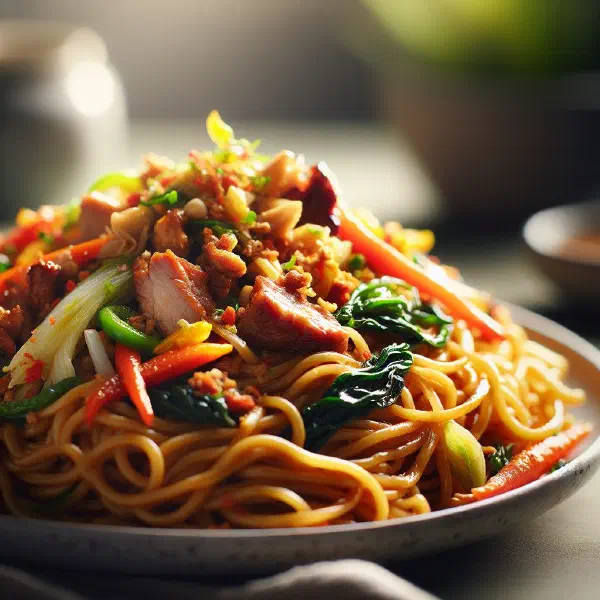
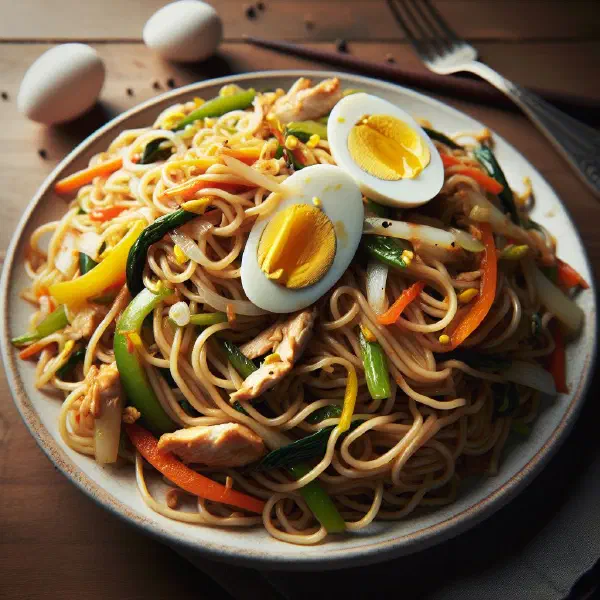
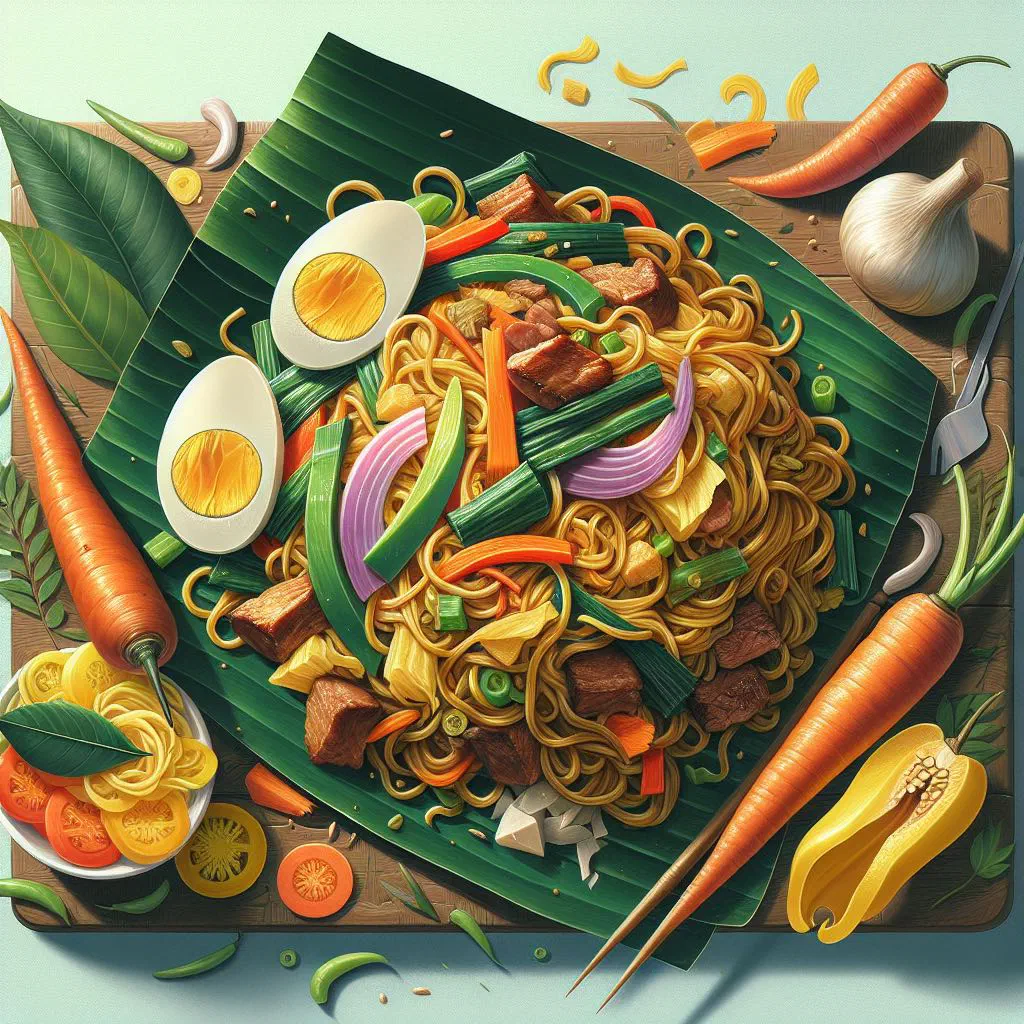
Say hello to Pancit Puso, a wonderfully versatile noodle dish from the Philippines that brings together tender vegetables, succulent chicken and the savoury depth of soy sauce. It is the kind of meal that suits any occasion, from a relaxed weeknight supper to a festive family gathering. With its harmonious blend of textures and flavours, this is comfort food that carries the warmth and cultural variety of Filipino cooking straight to your table.
About Pancit Puso
Pancit Puso is a fascinating and distinctive noodle dish from the Philippines that impresses with its flavour and with its remarkable versatility. It weaves together a range of aromas in one harmonious whole, appealing to meat lovers and vegetarians alike. It is typically made with carefully chosen ingredients that reflect the cultural variety of Filipino cuisine. Whether for a celebration or a simple evening meal, Pancit Puso is always a highlight, much like the ever-popular Pancit Canton.
Ingredients (serves 1–2)
- 200 g pancit noodles
- 150 g chicken, cut into pieces
- 100 g carrots, julienned
- 100 g green beans, cut into small pieces
- 50 g onion, diced
- 2 cloves garlic, chopped
- 3–4 tablespoons soy sauce
- 2 tablespoons oil (such as vegetable oil)
- Salt and pepper to taste
Shopping for the ingredients
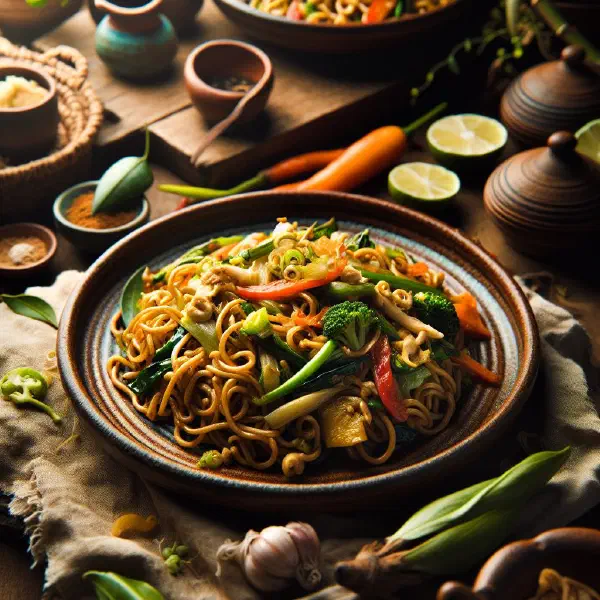
To make Pancit Puso, it is important to choose high-quality ingredients. Many of them, such as the pancit noodles and the soy sauce, are easy to find in Filipino or Asian grocery shops. The chicken and vegetables should be fresh to guarantee the best possible flavour. You might also consider using a few organic ingredients to lift the overall quality of your dish.
Preparing the dish
Preparing Pancit Puso takes a little planning, especially when it comes to the vegetables. Wash and cut the carrots, beans and onion to the size you want. Make sure all your ingredients are ready before you start cooking. The advantage of this is that the cooking process runs smoothly and nothing gets overlooked along the way.
Step-by-step instructions
- Heat the oil in a large pan or wok over medium heat.
- Add the onion and garlic and fry until golden.
- Add the chicken and cook until it is cooked through.
- Add the vegetables and stir-fry everything together for about 5 minutes.
- Add the pancit noodles to the pan and toss thoroughly with the other ingredients.
- Pour over the soy sauce and season with salt and pepper to taste.
- Stir everything well and let it simmer for a further 3–5 minutes.
- Serve the Pancit Puso hot and enjoy.
Gluten-free / lactose-free version
For a gluten-free version of Pancit Puso, you can use gluten-free noodles, which are now available in many supermarkets. Be sure to choose a soy sauce without gluten as well. As for lactose, the dish is already naturally lactose-free, so no further adjustments are needed. These small changes make it possible to bring the dish within reach of every dietary requirement.
Tips for vegans and vegetarians
For a vegan or vegetarian version of Pancit Puso, you can simply swap the chicken for tofu or tempeh. These protein-rich alternatives are ideal for this kind of preparation. You can also add your favourite vegetables to boost the nutritional content even further. A good vegetable stock can wonderfully complement the soy sauce and lend extra depth to the flavour.
More tips and tricks
If you do not have all the ingredients to hand, it is often possible to vary the recipe creatively. Use seasonal vegetables or whatever you happen to have in the fridge. Keep an eye on the cooking times of the different ingredients so that everything cooks evenly. Sometimes a few herbs and spices can improve the aromas of the dish considerably.
Adapting the recipe to your taste
The beauty of Pancit Puso lies in its adaptability. You can vary the ingredients to suit your own taste and preferences. For instance, you might add extra spices or even a dash of hot sauce to give the dish more of a kick. Experiment with different combinations to create your own personal Pancit Puso that lives up to your expectations.
Ingredient substitutions
If you cannot find pancit noodles, you can also use other noodle types that work well in Asian dishes, such as rice noodles or udon. For the soy sauce there are plenty of alternatives too, like tamari or coconut aminos, which offer a similar depth of flavour. These options let you shape the dish to suit your needs, in the same spirit as a hearty bowl of Pancit Bihon.
Drink pairing ideas
A range of drinks pairs beautifully with a delicious Pancit Puso and complements the flavours of the dish. A classic Filipino choice is Sago’t Gulaman, a refreshing drink made from tapioca pearls and agar-agar. Alternatively, you could serve a fresh coconut juice or a glass of hibiscus tea.
Serving and presentation ideas
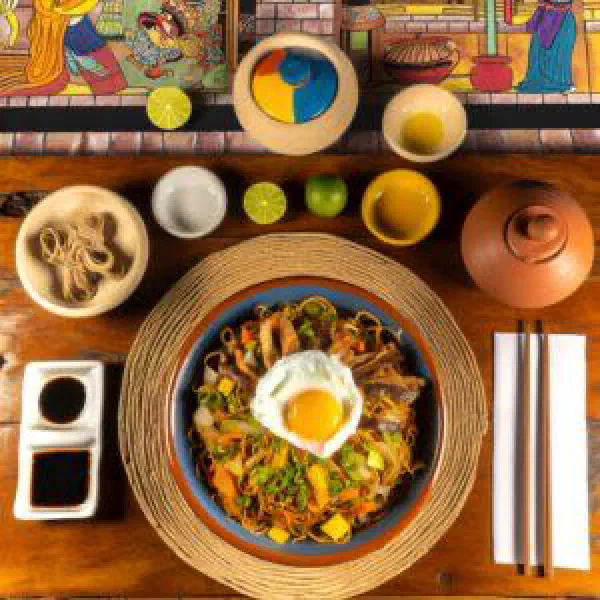
An attractive presentation can considerably enhance the experience of eating Pancit Puso. Serve the noodles on a large plate or in a bowl and garnish the dish with fresh coriander or spring onions. Adding a few lime wedges on the side brings an extra splash of colour as well as a tangy note to the dish. Colourful vegetables and careful arrangement can do wonders for the appetite.
A bit of history
Pancit is deeply rooted in Filipino cooking and carries historical significance, with noodle traditions in the islands tracing back to early Chinese trade. Pancit Puso is a regional variation that is especially prepared for festive occasions. The dish symbolises the variety of Filipino culture and stands for sharing and celebrating community. In this way it holds a special place within Philippine cuisine and brings people together.
More recipe ideas
Summary: Pancit Puso
Pancit Puso is a versatile and flavoursome dish that brings the aromas of Filipino cuisine together in perfect harmony. With its wide range of possible ingredients and methods of preparation, it positively invites you to experiment. Whether for special occasions or everyday meals, Pancit Puso adds a special flair to any table and lets you bring the culinary culture of the Philippines right into your own home. Give it a try and let the variety and flavour win you over.