National Dish Philippines: Pancit Sotanghon (Recipe)
In this article
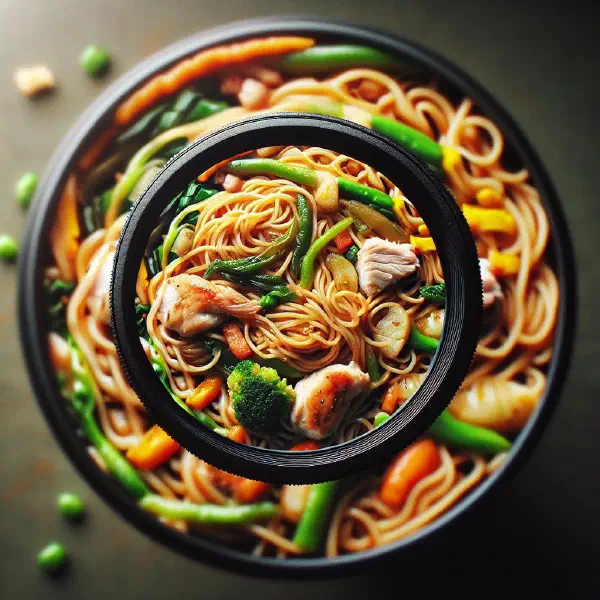
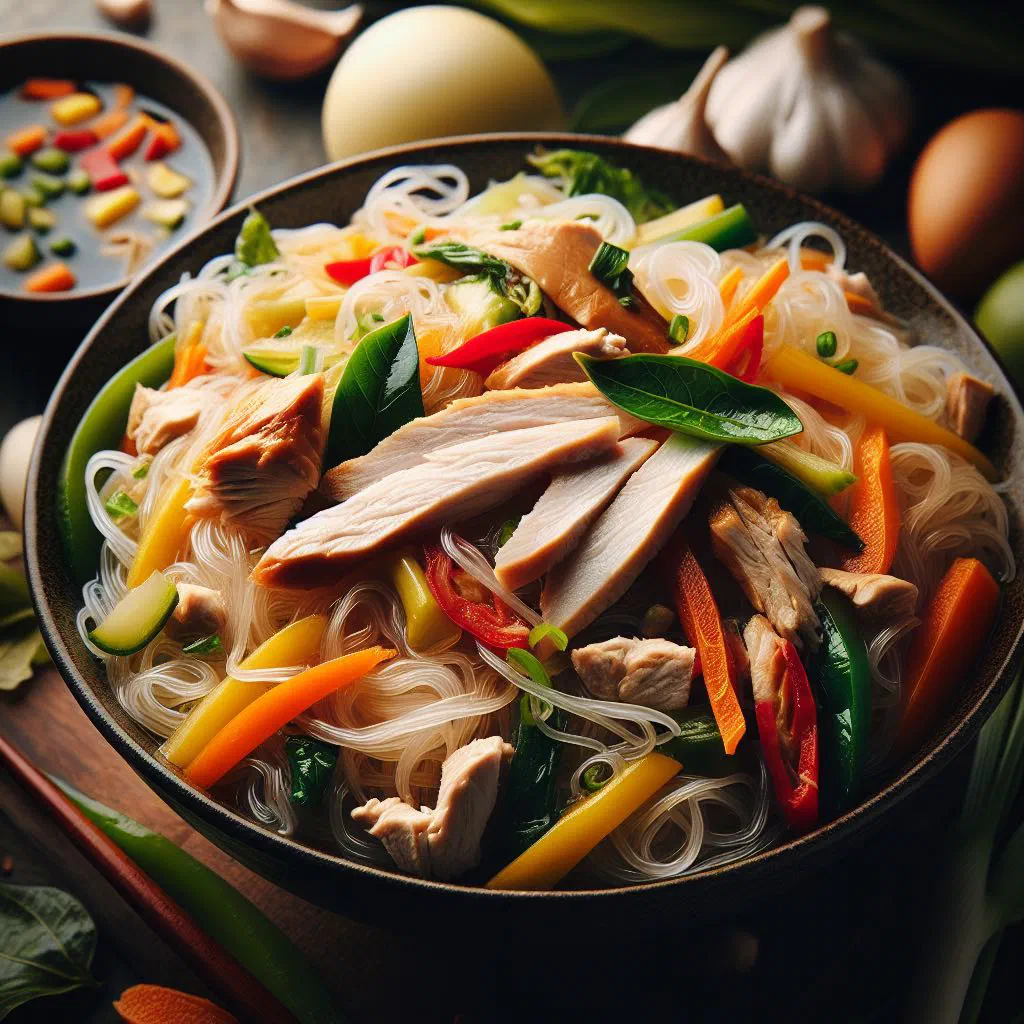
Meet Pancit Sotanghon, one of the Philippines’ most cherished noodle dishes. Silky glass noodles soak up a savoury broth and mingle with tender chicken, crisp vegetables and fragrant garlic for a meal that feels both comforting and celebratory. Traditionally served at birthdays and fiestas as a symbol of good fortune and long life, it is wonderfully easy to make your own. Bring a taste of Filipino home cooking straight to your kitchen.
About Pancit Sotanghon
Pancit Sotanghon is a traditional Filipino noodle dish prized for its delicate texture and its rich, savoury flavour. The star ingredient, sotanghon, are glassy noodles that turn beautifully translucent as they cook, taking on an uniquely silky bite. The dish is often served at festive occasions and is regarded as a symbol of luck and prosperity. Pancit Sotanghon is delicious and endlessly versatile, ready to be adapted to whatever you have to hand.
Ingredients (serves 1–2)
- 100 g sotanghon (glass) noodles
- 200 g chicken breast, cut into thin strips
- 1 carrot, cut into fine strips
- 1 small onion, chopped
- 2 cloves garlic, chopped
- 150 g pak choi or Chinese cabbage, chopped
- 2 tablespoons soy sauce
- 1 tablespoon sesame oil
- Salt and pepper to taste
- Spring onions, to garnish
Shopping for the ingredients
The ingredients for Pancit Sotanghon are easy to find in most Asian grocery shops. The sotanghon noodles are usually stocked in the rice-noodle aisle or sold under the name “glass noodles”. Fresh vegetables such as pak choi or Chinese cabbage give the dish a lovely crisp bite and are widely available in larger supermarkets. It is also worth choosing a good-quality soy sauce to deepen the overall flavour.
Preparing the dish
Before you start cooking, soak the sotanghon noodles in warm water until they soften. This usually takes around 15 to 20 minutes. Wash the vegetables thoroughly and cut them into even-sized pieces so everything cooks at the same rate. A little groundwork like this saves time at the stove and ensures the finished dish cooks evenly and looks bright and colourful.
Step-by-step instructions
- Drain the soaked sotanghon noodles and set them aside.
- Heat the sesame oil in a large pan and sauté the chopped onion and garlic for 1–2 minutes, until fragrant.
- Add the chicken strips and cook until completely done through.
- Add the chopped vegetables (carrot and pak choi) and stir-fry for a further 3–4 minutes, until slightly softened.
- Add the noodles and the soy sauce, then toss everything together well and stir-fry for 5 minutes.
- Season with salt and pepper and garnish with chopped spring onions.
Gluten-free / lactose-free version
To make Pancit Sotanghon gluten-free, swap the soy sauce for gluten-free tamari or coconut aminos. Do check the noodles too, as some brands include wheat. For a lactose-free version, simply make sure none of your ingredients contain milk. Happily, this dish is naturally lactose-free as long as you avoid adding any dairy.
Tips for vegans and vegetarians
For a vegan version of Pancit Sotanghon, replace the chicken with tofu or tempeh. Fry the tofu beforehand to give it a golden colour and a pleasantly crisp texture. The vegetables can be varied freely too. Try adding pak choi, broccoli or peppers. Just choose a soy sauce free from animal products, which is usually the case anyway.
More tips and tricks
One key tip for Pancit Sotanghon is to add the ingredients in the right order so everything cooks evenly. Frying the onion and garlic first builds a savoury base note that runs through the whole dish. Don’t worry if the noodles seem a little sticky at first. They generally loosen up as you stir-fry them. Take care when seasoning, as the soy sauce is already quite salty on its own.
Adapting the recipe to your taste
The recipe for Pancit Sotanghon is wonderfully adaptable. Depending on your preferences, add extra vegetables such as courgette, peas or even mushrooms. For a spicier result, scatter in some chilli or a spoonful of sambal oelek. You might also like to finish the dish with peanuts or cashews for a pleasant nutty crunch, much like the rich, nutty notes of Kare Kare.
Ingredient substitutions
If you don’t have sotanghon noodles to hand, other rice noodles work well, much as they do in Pancit Bihon or Pancit Canton. In place of chicken you could use beef or prawns, as in many seafood-led Filipino dishes. If you prefer a vegetarian meal, chickpeas or other pulses make a satisfying, protein-rich substitute. The soy sauce can also be swapped for a homemade or lower-salt version.
Drink pairing ideas
A range of drinks pairs nicely with Pancit Sotanghon. Refreshing options such as coconut water or a classic lemonade work beautifully, while a light bergamot tea or a cold-brewed green tea complements the savoury noodles equally well. If you would rather have something alcoholic, try a light beer or sake, both of which sit comfortably alongside Asian cooking. A fruity cocktail makes another fun accompaniment.
Serving and presentation ideas
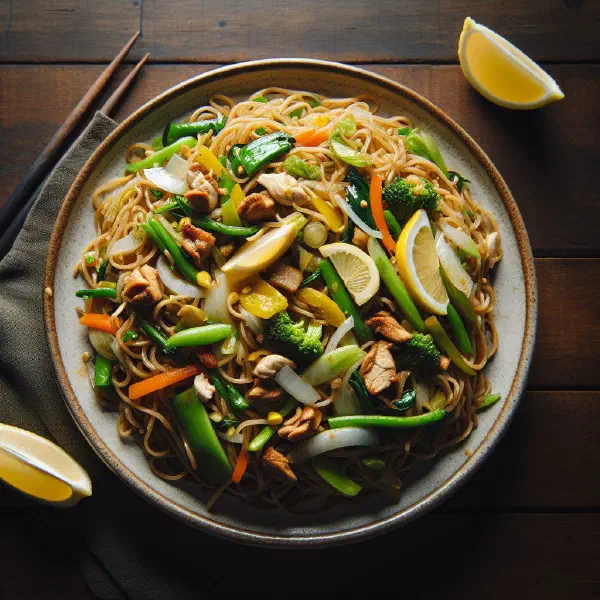
To present Pancit Sotanghon at its best, serve it in a large, shallow bowl and garnish with fresh spring onions and, if you like, chopped peanuts. A squeeze of lime juice or a few lemon wedges brightens the look and lifts the flavour. Alternatively, arrange the noodles on a bed of fresh leafy greens. The colourful vegetables and glassy noodles make this a real showstopper on any table.
A bit of history
The story of Pancit Sotanghon runs deep through Filipino culture. Noodle dishes like pancit are a cornerstone of Filipino cuisine and often symbolise longevity and prosperity. They feature prominently at festive occasions, from birthday celebrations to public holidays. The preparation varies from region to region, a reflection of just how varied and richly textured the Filipino table can be.
More recipe ideas
Summary: Pancit Sotanghon
All in all, Pancit Sotanghon is a delicious and versatile dish that brings together bright ingredients and bold aromas while reflecting a rich culinary tradition. It adapts readily to a range of dietary needs and is easy to tailor to your own taste. The preparation is relatively simple, making it just as welcoming for casual cooks as for seasoned ones. Enjoy this dish and bring a little piece of the Philippines into your own kitchen.