National Dish Philippines: Pastillas de Leche (Recipe)
In this article
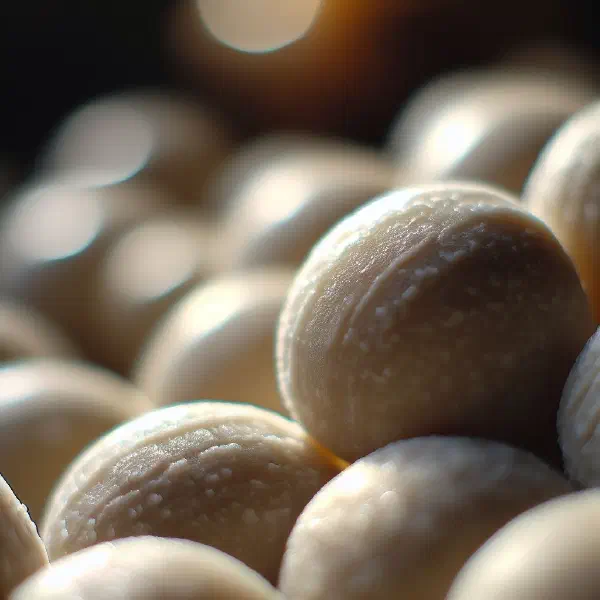
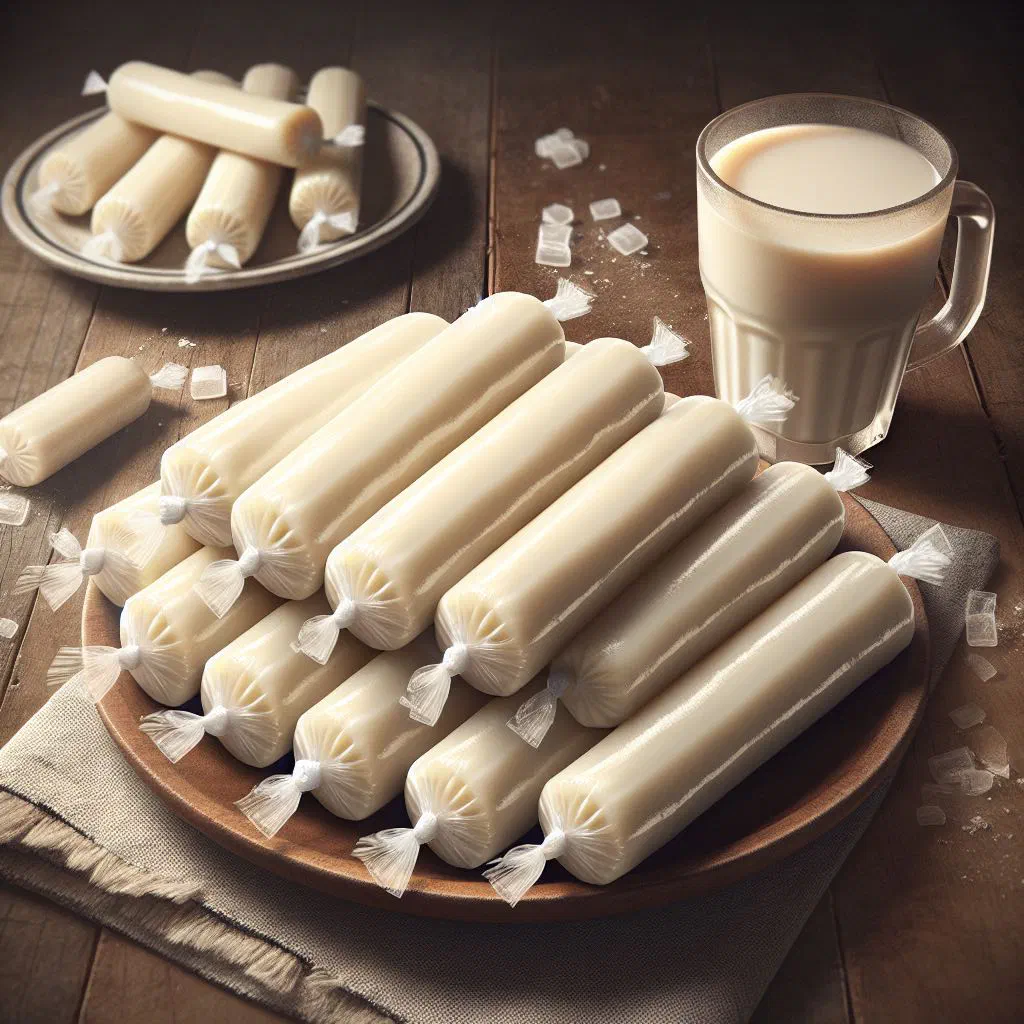
Meet Pastillas de Leche, a tender little milk sweet that captures the heart of the Filipino dessert table. Made from nothing more than fresh milk, sugar and a whisper of vanilla, these soft confections carry a very creamy, melt-in-the-mouth charm. They turn up at weddings, fiestas and family gatherings, and just as often arrive wrapped in pretty paper as a homemade gift. Simple to make yet deeply nostalgic, they are a lovely first step into the sweeter side of Filipino cooking.
About Pastillas de Leche
Pastillas de Leche are delicate Filipino milk candies made from fresh milk, sugar and a touch of vanilla. These traditional sweets are hugely popular and have become a fixture at festive occasions in homes across the country. Their creamy texture and gentle sweetness make them a very good treat, especially at special celebrations. You will often find them served at weddings and fiestas, or simply given as a sweet gift to friends and family.
Ingredients (serves 1–2)
- 250 ml fresh milk
- 150 g sugar
- 1 teaspoon vanilla extract
- A pinch of salt
- Extra sugar for rolling (optional)
Shopping for the ingredients
To make pastillas de leche, it is worth choosing fresh, good-quality ingredients. Fresh milk is the key to a creamy, rich flavour, and you can pick it up at most supermarkets or local markets near you. When it comes to the sugar, go for a fine variety to keep the confections beautifully smooth, and look for a pure vanilla extract so the aroma really sings.
Preparing the dish
Getting ready to make pastillas de leche is straightforward and takes only a few steps. First, gather all your ingredients and give the work surface a thorough clean. It helps to have a cuttable surface to hand, as you will need to slice the finished pastillas into pieces later. Make sure, too, that you have a suitable bowl or tray ready for shaping and setting the mixture.
Step-by-step instructions
- In a pan, heat the milk and sugar over a medium heat until the sugar has fully dissolved.
- Add a touch of vanilla extract and a pinch of salt, then stir well.
- Keep heating the mixture, stirring constantly, until it thickens and starts to pull away from the base of the pan.
- Pour the mixture into a greased bowl and leave it to cool to room temperature.
- Once cooled, shape into small portions and roll in sugar to taste.
Gluten-free / lactose-free version
Pastillas de leche are naturally gluten-free, as none of the ingredients contain gluten. For a lactose-free version, simply use lactose-free milk. This small swap means people with a lactose intolerance can enjoy this delicious dessert too. Just be sure to choose lactose-free versions of any other ingredients as well, so the whole treat stays easy to digest.
Tips for vegans and vegetarians
For a vegan take on pastillas de leche, you can use plant-based milk such as almond, soya or oat. A natural sweetener like agave syrup or coconut sugar works nicely in place of ordinary sugar. The texture and taste may shift slightly, but the basic idea stays the same. Experiment with flavours such as coconut or cinnamon to discover different variations, much as you might with a creamy Buko Pandan.
More tips and tricks
To achieve the perfect consistency for your pastillas de leche, it is important to be patient while cooking and to keep stirring the mixture continuously. Let the mass cool completely before shaping it, to get the best possible texture. It can help to lightly dampen your hands with water before forming the portions, which stops the mixture sticking. If you would like to keep the pastillas for longer, store them in an airtight container in the fridge.
Adapting the recipe to your taste
Depending on your personal preference, you can easily tweak the pastillas de leche recipe. Try adding different spices or flavourings to vary the dessert. You could, for example, work in some chocolate or nuts to introduce extra flavour notes. The possibilities are endless, and it is great fun to experiment with different combinations.
Ingredient substitutions
If you are not keen on sugar, you can also use alternative sweeteners such as honey or stevia. For a creamier consistency, try coconut cream in place of the milk, the same rich note that defines a dessert like Maja Blanca. Be careful when swapping ingredients, though, so that the overall texture and flavour of the pastillas do not suffer. Many people also cut back the sugar by using less of it, or by partly replacing it with fruit purée.
Drink pairing ideas
Pastillas de leche pair wonderfully with a whole range of drinks. A cup of Filipino coffee or a warm cup of Tsokolate Eh complements the sweet flavours of the confections perfectly. For something more refreshing, you might serve a glass of cold lemon water or a fruity smoothie. Consider offering guests a few different drinks to create a pleasing combination.
Serving and presentation ideas
The way you present your pastillas de leche can lift the whole dessert experience. Think about arranging the confections on a pretty serving platter or tucking them into small, attractive paper wraps. Rolling them in sugar gives the sweets an extra sparkle and makes them more visually appealing. Do not forget to add a nice ribbon or a small label to make the gift feel even more personal.
A bit of history
The origins of pastillas de leche can be traced back to the Spanish colonial era, when influences from various cuisines were woven into local cooking. These delicious milk confections were originally made in rural areas of the Philippines, where fresh milk was readily available. Today they are a much-loved dessert and a symbol of Filipino culture, and a fondly remembered part of childhood for many people across the country. They sit comfortably among the sweetest highlights of Philippine cuisine.
More recipe ideas
Summary: Pastillas de Leche
In short, pastillas de leche are a distinctive and delicious sweet temptation from the Philippines. They are simple to make and ideal for special occasions. With their tender texture and gentle sweetness, they have won the hearts of many. Whether given as a gift or kept for your own enjoyment, these confections are a must for anyone keen to explore Filipino cuisine.