National Dish Philippines: Pata Hamonado (Recipe)
In this article
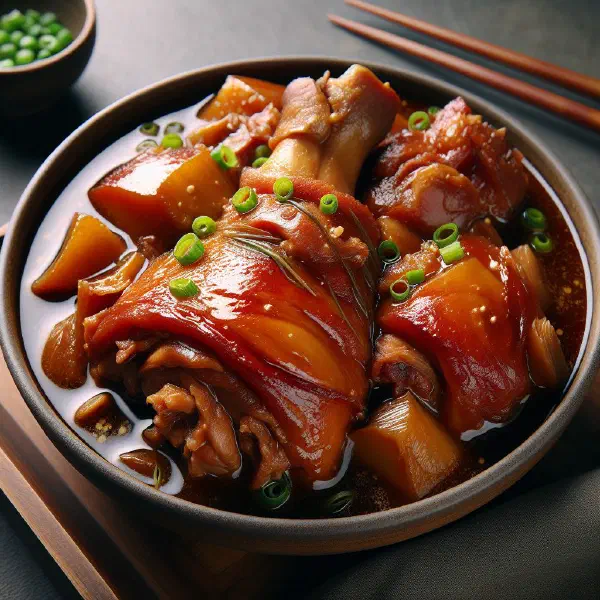
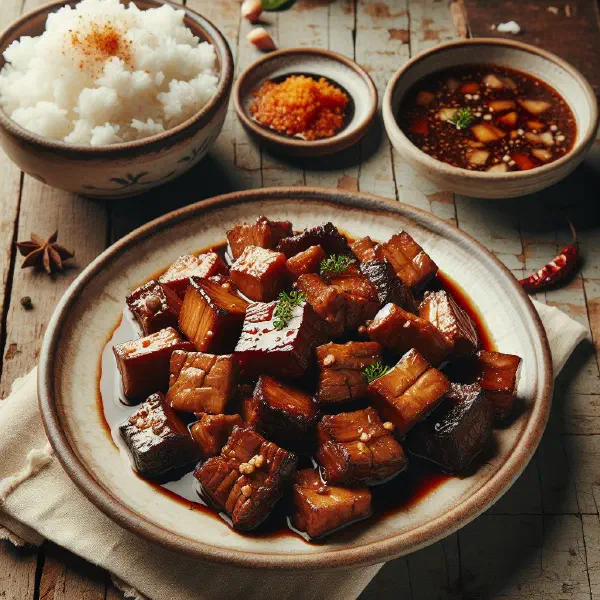
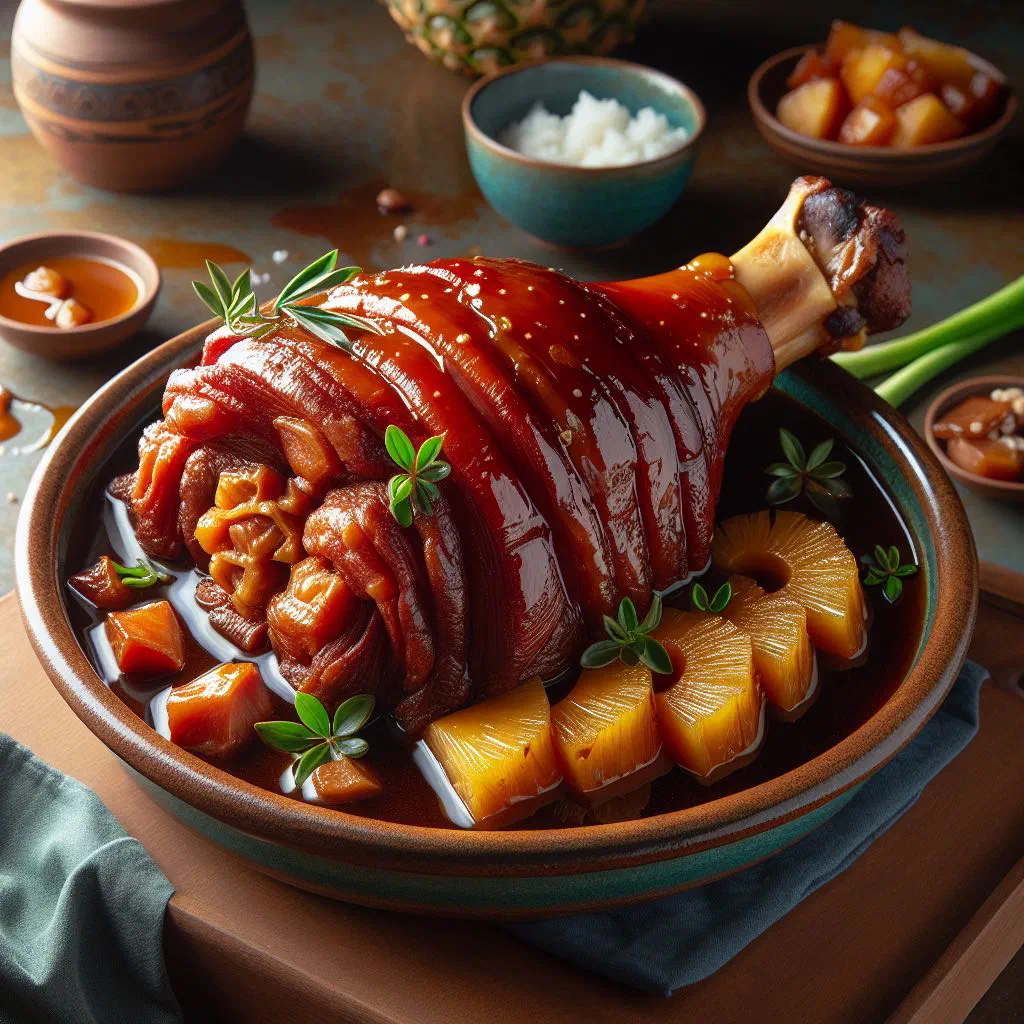
Treat yourself to Pata Hamonado, one of the Philippines’ most comforting braised pork dishes. Tender pork hock is simmered low and slow in a sweet-savoury sauce of pineapple, soy sauce and brown sugar until the meat falls from the bone. The sauce reduces to a glossy, syrupy glaze that clings to every piece, making it a real showstopper at family gatherings. Serve it over a bowl of steamed rice and bring the warmth of a Filipino fiesta straight to your own kitchen.
About Pata Hamonado
Pata Hamonado is a traditional Filipino dish prized for its unmistakable flavour and the meltingly tender texture of the meat. It is made chiefly from pork hock, which is cooked slowly in an especially aromatic marinade. That marinade leans on pineapple for its signature sweetness, while soy sauce and a handful of spices add a savoury, well-rounded depth. Pata Hamonado is most often served with steamed rice, which soaks up the rich sauce and lets the flavours shine.
Ingredients (serves 1–2)
- 1 kg pork hock
- 1 cup pineapple juice
- 1/2 cup soy sauce
- 2–3 cloves garlic, chopped
- 1 onion, chopped
- 1/4 cup brown sugar
- 2–3 bay leaves
- 1 teaspoon black pepper
- Water as needed
Shopping for the ingredients
When shopping for the ingredients for Pata Hamonado, it is worth seeking out fresh, good-quality produce. The pork hock should be well marbled and free of any discolouration. Many Asian markets stock the specialist ingredients, such as pineapple juice and soy sauce, in excellent quality. These shops often carry a wider range of seasonings too, so you may well find some special varieties to experiment with.
Preparing the dish
Preparing Pata Hamonado is simple and straightforward, though it does call for a little patience. Begin by rinsing the pork hock thoroughly and cutting it into suitable pieces. Next, stir together the marinade by combining pineapple juice, soy sauce, brown sugar, garlic, onion and spices until well blended. Leave the meat to steep in the marinade for several hours, ideally overnight, so it takes on the flavours fully.
Step-by-step instructions
- Marinate the pork hock for at least 3 hours, ideally overnight.
- Heat a large pot and add the marinated meat.
- Pour in the remaining marinade along with enough water to cover the meat completely.
- Bring everything to the boil, then lower the heat and let it simmer gently for at least 2 hours, until the meat is tender.
- Remove the meat from the pot and let the liquid reduce until it reaches a syrupy consistency.
- Serve the Pata Hamonado on a plate with the reduced sauce poured over and a side of steamed rice.
Gluten-free / lactose-free version
For a gluten-free and lactose-free version of Pata Hamonado, reach for gluten-free soy sauce, which is widely available in supermarkets. Steer clear of any products containing lactose and let the natural flavours of the dish carry it. This keeps the authentic taste intact while avoiding any ingredients that might cause trouble. Small tweaks like these make the dish accessible to a wider audience, all without sacrificing its full, satisfying flavour.
Tips for vegans and vegetarians
For vegans and vegetarians, Pata Hamonado can be made in a plant-based version. Instead of pork hock, try jackfruit or seitan, both of which lend themselves beautifully to hearty dishes thanks to their meaty texture. Marinate these alternatives in a similar marinade to draw out the flavours. The result is a tasty take on this much-loved dish that happens to be entirely plant-based.
More tips and tricks
A few tips and tricks will help you make Pata Hamonado even better: use fresh spices and play with different marinades to discover new flavour combinations. You can also adjust the cooking time to find exactly how long the meat needs to reach the tenderness you prefer. Preparing the marinade the day before and leaving the meat to steep overnight will deepen the flavours considerably.
Adapting the recipe to your taste
The recipe for Pata Hamonado is easily tailored to personal taste. If you fancy a spicier version, toss in a few sliced chillies or use a hot soy sauce. The amount of sugar can also be dialled up or down depending on how sweet you like your food. By experimenting with the ingredients and their proportions, you can create a Pata Hamonado that is entirely your own.
Ingredient substitutions
If some of the ingredients are hard to come by, there are plenty of alternatives you can use. Pineapple juice, for instance, can be swapped for apple juice to bring a different note of sweetness. For the soy sauce, tamari works well and is also suitable for gluten-free versions, the same savoury depth that makes Adobo so popular. Experimenting with different ingredients can lead to exciting combinations and helps you fit the dish to your own preferences.
Drink pairing ideas
A range of drinks pairs well with Pata Hamonado and complements its flavours. A fruity, light wine is a lovely match, while a cold beer can underline the savoury edge of the dish. For alcohol-free options, fruit juices, especially pineapple or mango juice, are a fine choice that harmonises the flavours. These drinks help you experience more of Filipino food culture while you enjoy your meal.
Serving and presentation ideas
The presentation of Pata Hamonado can be lifted with a few simple touches. Serve the dish on a large, elegant platter, garnished with fresh herbs such as coriander or finely sliced spring onion. A scattering of colourful vegetables can also please the eye. Be sure to spoon the reduced sauce over the meat to give it an appealing sheen and an extra hit of flavour.
A bit of history
Pata Hamonado is a dish rooted deep in Filipino culture, often served at festive occasions and family celebrations. Its pairing of meat with sweet and savoury flavours reflects the rich culinary tradition of the Philippines, which has grown from many cultural influences. These influences came from the Spanish colonial era as well as the country’s many Asian and European trading ties. Pata Hamonado is therefore more than a dish but a part of the history and identity of Philippine cuisine.
More recipe ideas
Summary: Pata Hamonado
Pata Hamonado is an exceptionally tasty yet straightforward dish that captures the very heart of Filipino cooking. With its distinctive blend of sweet and savoury flavours, it offers a memorable eating experience. Whether for a special occasion or a simple family dinner, this dish brings the flavours of the Philippines straight to your table. Give it a try and let the variety and richness of Filipino cookery work their magic.