National Dish Philippines: Pata Tim (Recipe)
In this article
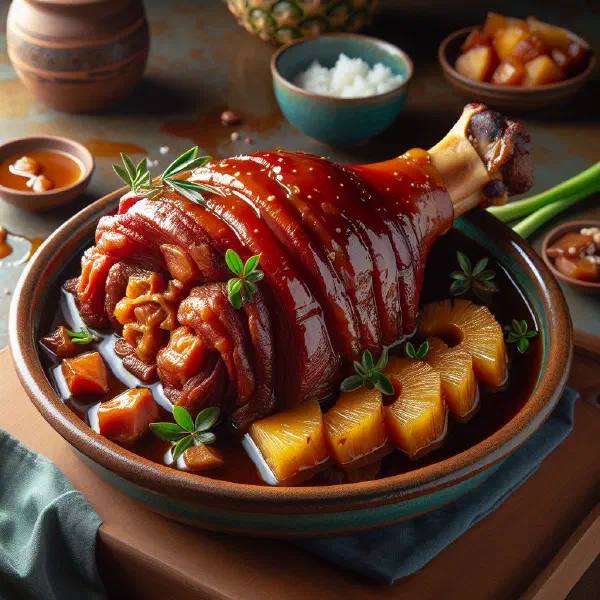
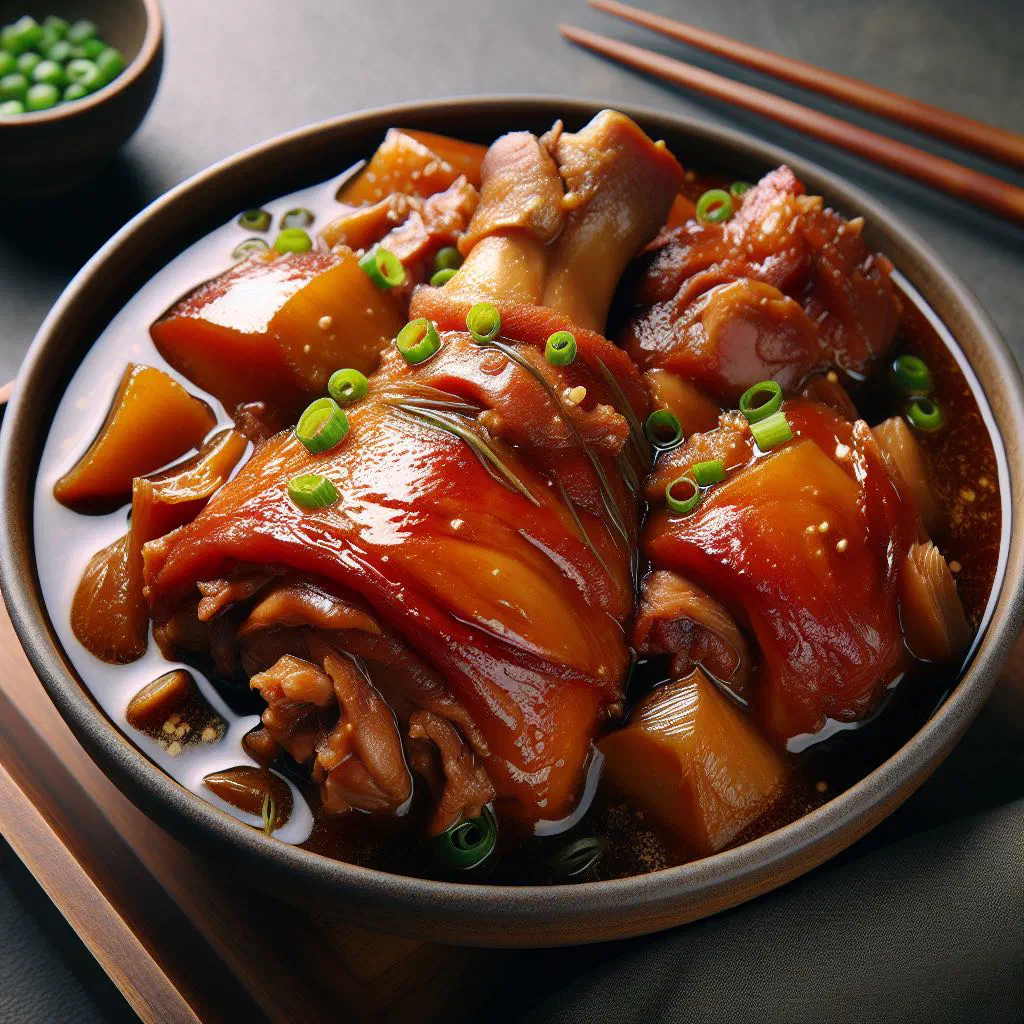
Meet Pata Tim, one of the Philippines’ most prized celebration dishes. A whole pork hock is gently braised until meltingly tender in a glossy sauce of soy, garlic and ginger, soaking up layer upon layer of savoury-sweet flavour. Long, slow cooking is the secret here, rewarding a little patience with a showstopping centrepiece. Bring the warmth of a Filipino family feast straight to your own table.
About Pata Tim
Pata Tim is a classic Filipino dish known for its rich flavour and very tender texture. At its heart is a slow-braised pork hock, cooked down in an aromatic sauce of soy sauce, garlic, ginger and other delicious ingredients. This combination of flavours creates a truly distinctive eating experience that wins over every food lover. The dish is often served at special occasions or family gatherings, and it is a genuine highlight of Philippine cuisine.
Ingredients (serves 1–2)
- 800 g pork hock (pata)
- 4 cloves garlic, chopped
- 1 piece ginger (about 2 cm), sliced
- 1 onion, diced
- 1/4 cup soy sauce
- 1/4 cup sugar
- 2 cups water
- 2 bay leaves
- Black pepper, to taste
- Fresh coriander leaves, to garnish
Shopping for the ingredients
To make pata tim, look for your ingredients in a well-stocked Asian grocery or a supermarket with a good international range. Pay particular attention to the quality of the pork hock, as it has a decisive influence on the final flavour of the dish. Choose fresh spices such as ginger and coriander too, to bring out the deepest aromas. Allow yourself plenty of time to gather everything you need, so nothing gets left behind.
Preparing the dish
Before you start cooking, it is well worth getting all the ingredients properly prepared. Chop the vegetables and aromatics finely so they distribute evenly during cooking. The meat should be cleaned thoroughly and, if you like, cut into pieces to shorten the cooking time. Good groundwork makes the whole process run more smoothly and lets you enjoy the full aroma of the ingredients.
Step-by-step instructions
- In a large pot, bring the pork hock to the boil in water and cook for about 10 minutes to remove any impurities.
- Drain the water and return the hock to the pot with fresh water.
- Add the garlic, onion, ginger, soy sauce, sugar, bay leaves and pepper.
- Bring everything to the boil, then reduce the heat and let the meat simmer gently for about 1.5 to 2 hours, until it is meltingly tender.
- Stir regularly and top up with water if needed, so nothing catches on the bottom.
- Serve the hock in its sauce and garnish with fresh coriander leaves.
Gluten-free / lactose-free version
Pata tim is easy to make gluten-free and lactose-free. Simply swap the soy sauce for a gluten-free version, which is often based on tamari. When choosing your ingredients, check the labels to make sure no lactose-containing products have slipped in. With these small adjustments, nothing stands in the way of a delicious experience, even if you have particular dietary needs.
Tips for vegans and vegetarians
Although pata tim is traditionally made with pork, there are good alternatives for vegan and vegetarian versions. In place of the pork hock you can use jackfruit or tofu, both of which soak up sauces beautifully and offer a satisfyingly meaty texture. Prepare it in much the same way, building the base from vegetable stock and soy sauce. These variations let vegetarians enjoy the dish’s rich flavours too, much like a hearty Vegetable Kare Kare.
More tips and tricks
A little extra Asian spice, such as five-spice powder or star anise, can deepen the flavours of pata tim even further. Be sure to adjust the cooking time accordingly, especially if you are using smaller pieces of meat. Slow cooking over a low heat is what makes the meat so wonderfully tender. Finally, the dish can be made ahead and reheated, which makes it ideal for a festive spread.
Adapting the recipe to your taste
The flexibility of pata tim means you can easily tailor the recipe to your own preferences. You might increase or reduce the sweetness, for instance, by varying the amount of sugar. The heat is just as easy to adjust by adding fresh chillies. Experiment with different ingredients and aromas to create your very own version of this delicious dish.
Ingredient substitutions
If you cannot find some of the typical ingredients, there is always an alternative. The soy sauce, for example, can be replaced with coconut aminos or tamari to vary the flavour. The sugar can be swapped for honey or brown sugar to reach exactly the level of sweetness you want. Options like these help make the dish more versatile and adaptable, in the same spirit as a richly braised Pork Humba.
Drink pairing ideas
A range of drinks pairs wonderfully with pata tim. A cool beer complements the dish’s rich flavours perfectly, while a fruity white wine is another lovely choice. For an alcohol-free option, a fresh lemonade or a fruity iced tea rounds out the flavour combination nicely. These pairings all help create a harmonious meal.
Serving and presentation ideas
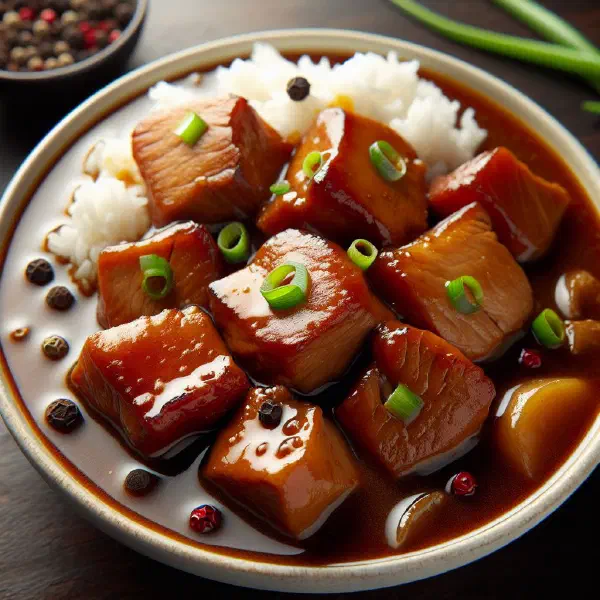
An attractive presentation can lift the whole eating experience considerably. Serve pata tim in a handsome bowl and garnish it with fresh coriander leaves. Round out the dish with a colourful medley of vegetables or some steamed rice to add both colour and texture. The way food looks matters just as much as its taste, and it should never be overlooked.
A bit of history
Pata tim has its roots in Philippine cooking and is often associated with festivities and special occasions. The tradition of slow braising has been passed down across generations, with each family adding its own touch. The dish was originally influenced by Chinese cuisine, which shows in the spices and cooking techniques it uses. By adapting to local ingredients, pata tim has developed the unique character that is treasured around the world today, a story it shares with many classics of Philippine cuisine.
More recipe ideas
Summary: Pata Tim
Pata tim is a delicious, aromatic dish that captures the very essence of Philippine cuisine. With the right combination of ingredients and the ideal slow preparation, the result is a real treat that bridges tradition and the modern table. The possibilities are endless. This dish will please the palate and take pride of place as the centrepiece of your next dinner party.