National Dish Philippines: Pinais na Tilapia (Recipe)
In this article
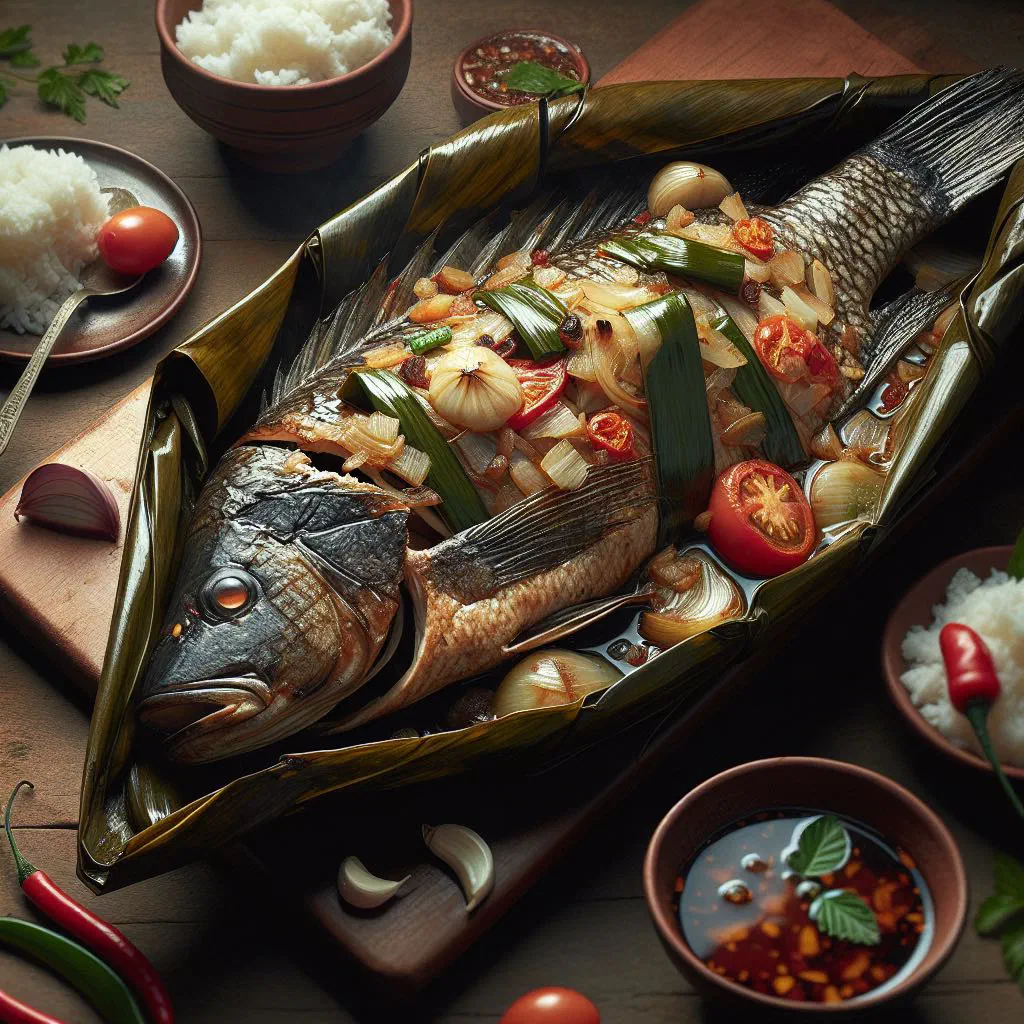
Meet Pinais na Tilapia, a beautifully simple Filipino dish that lets fresh fish take centre stage. Tender tilapia is seasoned with ginger, garlic and fragrant herbs, then wrapped in banana leaves and gently steamed until juicy and full of flavour. The leaves do more than hold everything together. They lend the fish a subtle, earthy aroma that captures the easygoing spirit of the islands. It is the kind of dish that feels like a warm culinary embrace.
About Pinais na Tilapia
Pinais na Tilapia is a traditional Filipino dish that stands out for its unique flavours and its wonderfully straightforward preparation. It pairs fresh tilapia with a handful of aromatic herbs and spices, all gently steamed inside banana leaves. The leaves impart a distinctive taste and help keep the fish tender and moist throughout cooking. In essence, it is a culinary embrace that captures the very heart of the Philippines.
Ingredients (serves 1–2)
- 2 fresh tilapia fillets
- 2 banana leaves (for wrapping)
- 2 tablespoons fish sauce
- 1 teaspoon ginger, finely chopped
- 1 small onion, diced
- 2 cloves garlic, chopped
- Fresh herbs (such as coriander or parsley)
- Salt and pepper to taste
Shopping for the ingredients
When shopping for the ingredients for Pinais na Tilapia, it is well worth choosing the freshest produce you can find, especially the tilapia. Check the quality of the fish carefully, looking for clear eyes and a fresh, clean smell. Banana leaves are available in Asian supermarkets or online. Make sure your herbs are fresh too, so you get the most out of the dish’s aroma.
Preparing the dish
Preparing Pinais na Tilapia is refreshingly simple and takes only a few minutes. Start by rinsing the tilapia fillets and patting them dry. While you do that, get the spices and herbs ready, chop the ginger, garlic and onion. These aromatic ingredients are then spread evenly over the fish to draw out as much flavour as possible.
Step-by-step instructions
- Briefly pass the banana leaves over heat so they become supple and easy to fold.
- Lay the tilapia fillets on the banana leaves and season with the chopped aromatics, the fish sauce and a little salt and pepper.
- Wrap the banana leaves tightly around the fillets and secure them with kitchen string.
- Steam the parcels for around 30 minutes in a steamer or a large pot of boiling water.
- Lift the parcels out, carefully open the banana leaves and serve.
Gluten-free / lactose-free version
Pinais na Tilapia is easy to make gluten-free and lactose-free. The ingredients used are naturally free from both gluten and lactose. Just be sure to choose a gluten-free fish sauce if you are sensitive to gluten. This flexibility makes the dish especially appealing for a wide range of dietary needs.
Tips for vegans and vegetarians
For vegans or vegetarians, a delicious version of Pinais na Tilapia can be made with plant-based proteins such as tofu or tempeh. The method stays exactly the same, but the filling can be rounded out with mushrooms, vegetables and aromatic spices. Steaming helps the flavours mingle thoroughly, so the result is every bit as fragrant and satisfying. For another plant-led idea, try Tofu Sisig.
More tips and tricks
A few tips and tricks can help you perfect the dish. Experiment with different herbs to vary the flavour, fresh dill or basil work nicely. A squeeze of lemon juice just before serving adds a lovely, refreshing note. And remember that steaming in banana leaves is essential for the taste and for the dish’s eye-catching, rustic look.
Adapting the recipe to your taste
Pinais na Tilapia is highly adaptable and easy to tailor to your own preferences. For a spicier kick, stir in a little chilli or sambal oelek. That way Pinais na Tilapia becomes a truly personal experience.
Ingredient substitutions
If some of the ingredients are not to hand, there are plenty of alternatives. Instead of tilapia you can use any other firm fish that steams well, such as snapper or sea bream, the same approach that works beautifully in Sinanglay na Tilapia. Fish sauce can be swapped for soy sauce for a vegan version. The key is to combine the right aromas to preserve the delicious essence of the dish, much as you would for Paksiw na Bangus.
Drink pairing ideas
To turn a meal of Pinais na Tilapia into something special, choose well-matched drinks. A cold Filipino San Miguel beer or a refreshing glass of coconut water make excellent companions. For wine lovers, a dry white wine pairs wonderfully with the flavours of the fish. With the right drink, every meal can become a small celebration.
Serving and presentation ideas
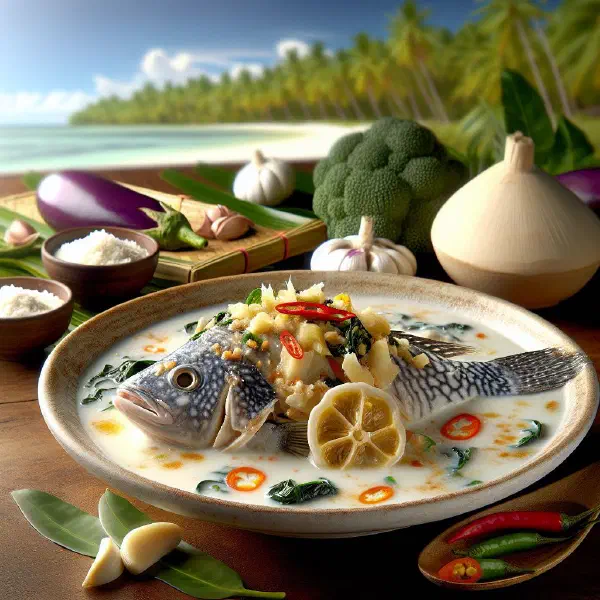
Presentation does a great deal for the overall impression of the dish. Serve Pinais na Tilapia straight from the banana leaves on a large platter to play up its rustic charm. Add a few fresh herbs for decoration and perhaps a slice of lemon for a splash of colour. We eat with our eyes first, after all, and an attractive presentation makes the whole experience all the more memorable.
A bit of history
Pinais na Tilapia has its roots in the rich, traditional cooking of the Philippines and reflects the country’s island culture. The use of banana leaves is an age-old method that encourages sustainable practices while preserving the flavours of the fish. Historically, fish was often filled with herbs to enhance the taste, a technique found in many dishes of Philippine cuisine to this day. It is a firm part of the cultural identity and is often served at festive occasions, much like Sinigang na Isda.
More recipe ideas
Summary: Pinais na Tilapia
Pinais na Tilapia is a flavourful and easy-to-make dish that celebrates the culture of the Philippines. With fresh ingredients and a fragrant filling, it offers a unique taste experience that is perfect for special occasions or as an everyday meal. Wrapping the fish in banana leaves keeps it tender and juicy while the aromas blend harmoniously together. Let this traditional recipe tempt you and enjoy a taste of the Philippines in your own kitchen.