National Dish Philippines: Pinakbet (Recipe)
In this article
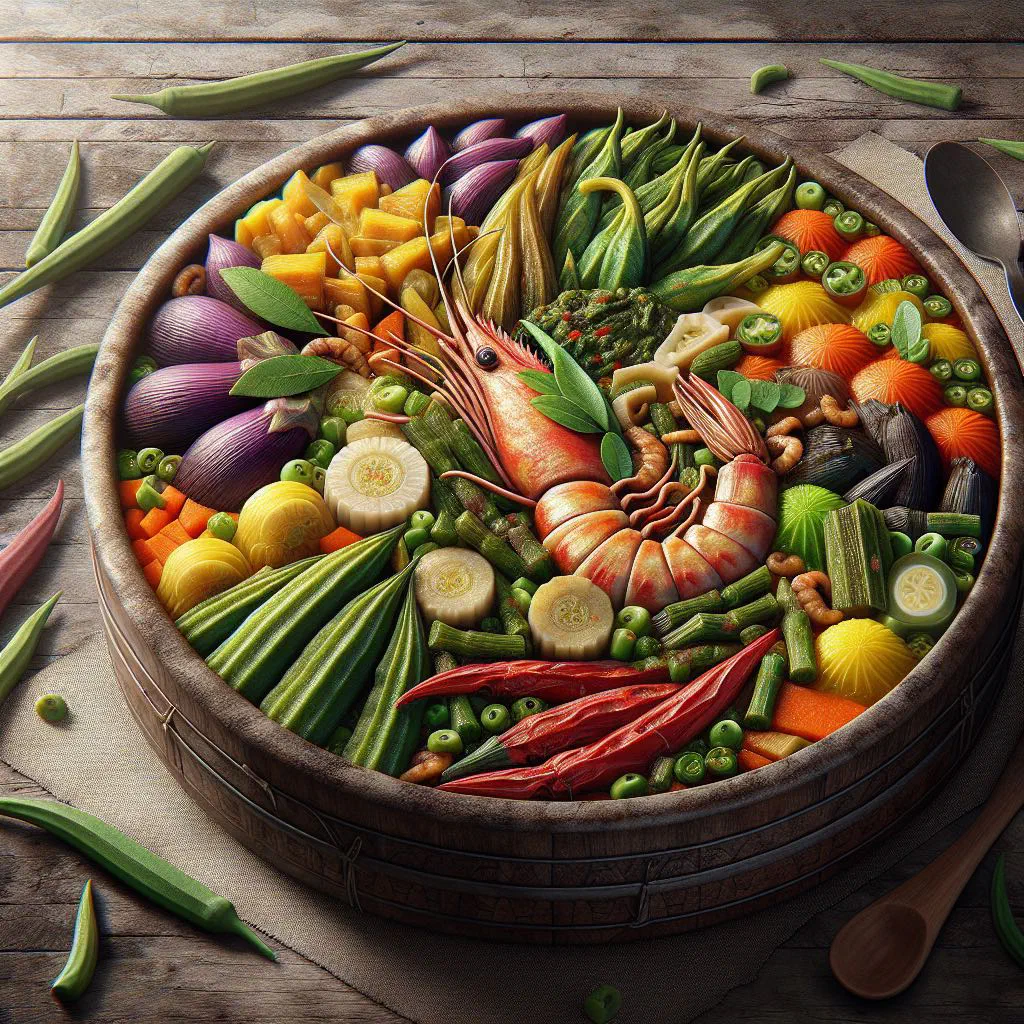
Say hello to Pinakbet, a bright medley of stewed garden vegetables that sits at the very heart of Filipino home cooking. Born in the northern Ilocos region, this dish turns humble produce, aubergine, bitter gourd, beans and tomatoes, into something deeply savoury and quietly addictive. Its gentle bittersweet edge and rich, brothy base make it a comforting staple for everyday meals, and it is wonderfully simple to recreate in your own kitchen.
About Pinakbet
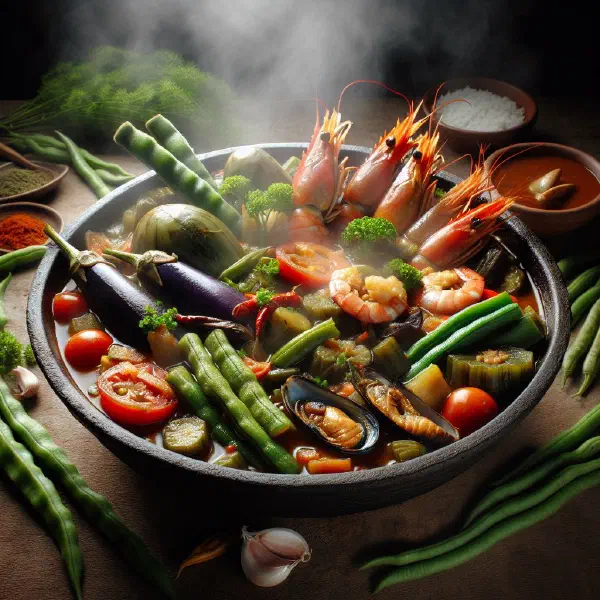
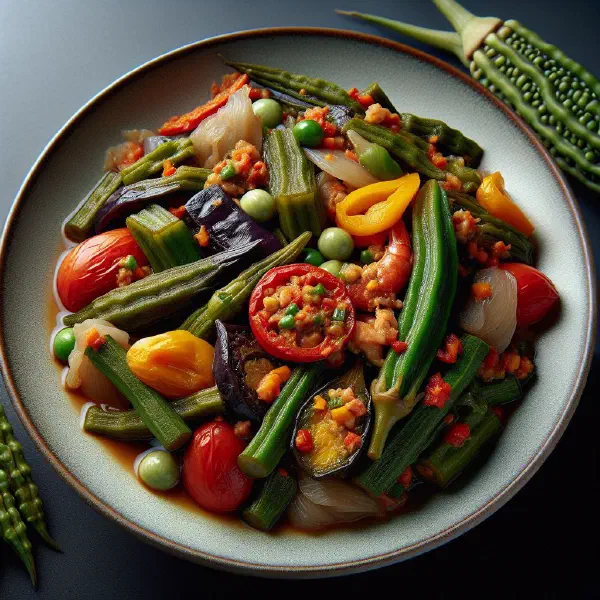
Pinakbet is a traditional Filipino dish celebrated for its rich flavours and its reliance on fresh, local vegetables. Originally from the Ilocos region, it is a proud representative of Filipino cuisine and the art of cooking with what the garden provides. The dish typically brings together chopped vegetables such as aubergine, bitter gourd and onion, all simmered gently in a savoury broth. The combination gives Pinakbet its hallmark slightly bittersweet note, which is exactly why it remains such a beloved fixture in so many Filipino households.
Ingredients (serves 1–2)
- 1 cup aubergine, diced
- 1 cup bitter gourd, sliced
- 1 cup green beans, trimmed and cut
- 1 cup tomatoes, diced
- 1 onion, chopped
- 2 cups water or vegetable stock
- 2 tablespoons fish sauce (or soy sauce for a vegan version)
- Salt and pepper to taste
Shopping for the ingredients
The ingredients for Pinakbet are available in most Asian grocery shops. Before you head out, it is worth taking a list with you so you can be sure you have all the fresh vegetables you need. Many larger supermarkets also have dedicated Asian food sections where the necessary items are easy to find. Try to choose the freshest vegetables you can, as their quality is decisive for the flavour of the finished dish.
Preparing the dish
Before you start cooking Pinakbet, it is important to prepare all the ingredients properly. Wash the vegetables thoroughly to make sure no residue remains. Dice the aubergine and slice the bitter gourd thinly so that everything cooks evenly. The onions and tomatoes should also be cut small, which helps release their aromas once they hit the hot pan.
Step-by-step instructions
- Heat a large pot over medium heat and add a little oil.
- Add the chopped onion and fry until translucent.
- Stir in the tomatoes and cook until softened.
- Add the aubergine, bitter gourd and green beans, then stir everything together well.
- Pour in the water or vegetable stock and bring it to the boil.
- Reduce the heat and let the vegetables simmer for 15–20 minutes, until tender.
- Add the fish sauce (or soy sauce) and season with salt and pepper.
- Serve the Pinakbet hot and enjoy it with rice.
Gluten-free / lactose-free version
Pinakbet is easy to make gluten-free and lactose-free, as long as you choose the right ingredients. The fish sauce can be swapped for gluten-free soy sauce, making the dish suitable for anyone with coeliac disease. The vegetables themselves are naturally lactose-free, so there is nothing to worry about if you are lactose intolerant. This makes Pinakbet an excellent choice for a wide range of dietary needs.
Tips for vegans and vegetarians
For vegans and vegetarians, Pinakbet is an absolute treat. By replacing the fish sauce with soy sauce or another plant-based seasoning, you keep all the savoury umami notes that are so important to the dish. Since it is built mainly around fresh vegetables, it is a wonderful source of vitamins and nutrients. You can also add extra protein in the form of tofu or tempeh to make the meal even more nourishing.
More tips and tricks
For the best possible result, it pays to use seasonal vegetables, as they offer the finest flavour. You can also experiment with regional produce to give your Pinakbet a personal touch. A good way to deepen the aromas is to add seasonings such as ginger or garlic. Just remember to adjust the cooking time if you choose different vegetables, so that everything reaches the right consistency.
Adapting the recipe to your taste
Pinakbet is easy to tailor to personal preference. If you like more heat, for example, you can add red chilli or pepper. Alternatively, the dish can be enriched with extra vegetables such as carrots or squash for a different flavour profile. A little creativity with the ingredients makes the dish your own and keeps things interesting in the kitchen.
Ingredient substitutions
With a dish like Pinakbet, where fresh vegetables take centre stage, there is plenty of room for substitutions. Instead of bitter gourd you can use courgette, which has a milder taste. The fish sauce, too, can be replaced with various vegan stocks to achieve the flavour you are after. These options make Pinakbet remarkably flexible and accessible to all kinds of palates, much like the comforting vegetable stew Bulanglang.
Drink pairing ideas
A range of drinks pairs beautifully with a hearty dish like Pinakbet. For an authentic touch, you might serve a traditional Filipino tea or some freshly pressed fruit juice. A light beer or a refreshing white wine also work well, lifting the flavours of the vegetables. The choice of drink can noticeably shape the overall impression of the meal and create special flavour combinations.
Serving and presentation ideas
Presentation plays a big part in serving Pinakbet. To please the eye, arrange the dish in a colourful bowl and garnish it with fresh herbs such as coriander or spring onions. A wedge of lime or lemon placed alongside is another lovely accent, letting everyone add a squeeze to taste. Attractively plated food heightens the pleasure of eating and turns the meal into something special.
A bit of history
Pinakbet has its origins in the rural areas of the Philippines, where farmers made use of their fresh produce straight from the field. The dish is a superb example of the versatility of Filipino cuisine and shows how local ingredients can be used creatively. It is often seen as a symbol of Filipino food culture and tradition, one that celebrates an appreciation for fresh, natural ingredients. In many households Pinakbet is served as a main course and as part of a varied festive spread of Philippine cuisine.
More recipe ideas
Summary: Pinakbet
Pinakbet is a delicious, nourishing dish that is rich in flavour and full of colourful vegetables. It reflects the traditional Filipino way of eating and offers an abundance of room for adaptation. Whether vegan, vegetarian or made with fish sauce, this dish is easy to tune to your own preferences. The preparation is simple and the result is a tasty meal that everyone can enjoy.