National Dish Philippines: Pork Binagoongan (Recipe)
In this article
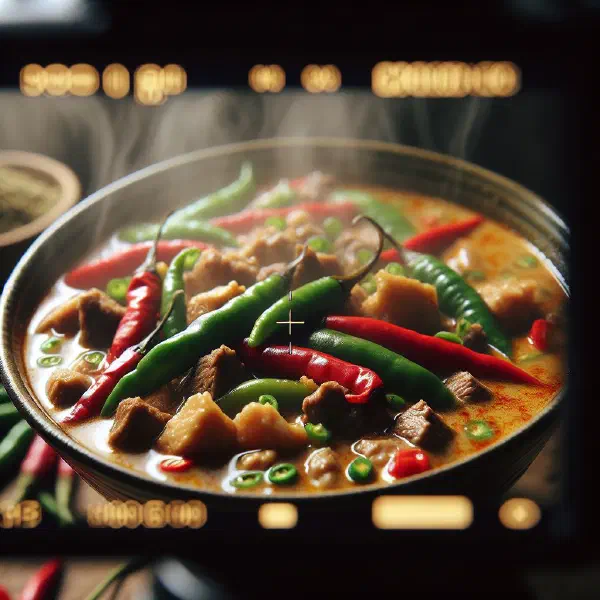
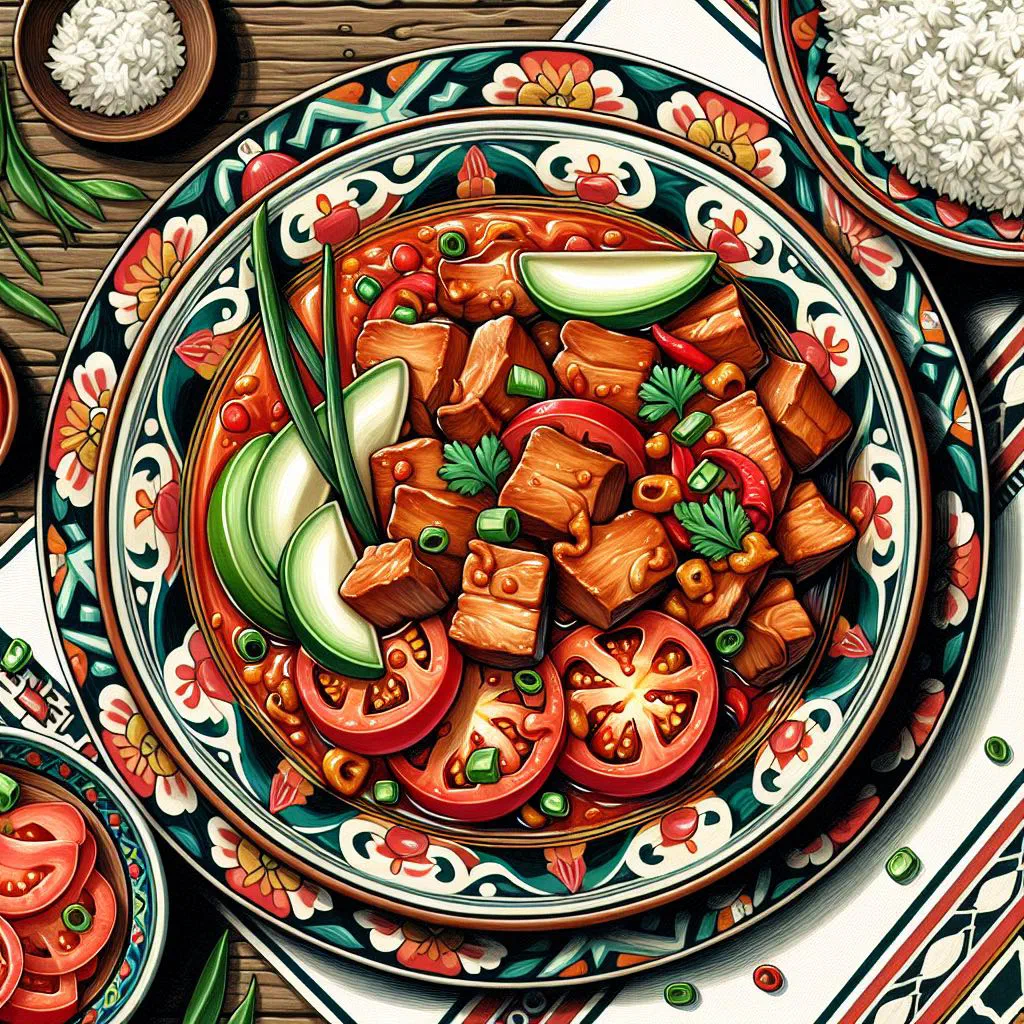
Meet Pork Binagoongan, one of the boldest, most savoury treasures of the Filipino kitchen. Tender chunks of pork are braised in a rich, glossy sauce built around bagoong, the fermented shrimp paste that gives the dish its unmistakable salty-umami punch. A swirl of coconut milk softens the edges, while a scattering of chilli brings just the right amount of heat. It is comfort food with real character, the kind of dish that has people reaching for a second helping of rice.
About Pork Binagoongan
Pork Binagoongan is one of the best-known dishes of Philippine cuisine, and many regard it as a true national favourite. At its heart is tender pork slowly simmered in a deeply aromatic sauce. The ingredient that sets it apart is bagoong, a fermented shrimp paste that lends the dish its singular, savoury depth. Coconut milk adds a creamy richness that balances beautifully against the warmth of chilli and the natural sweetness of the meat. The result is a hearty, satisfying plate that captures the bold, salty-sweet spirit Filipinos love.
Ingredients (serves 1–2)
- 500 g pork (shoulder or belly), cubed
- 2 tablespoons bagoong (fermented shrimp paste)
- 200 ml coconut milk
- 2–3 small green or red chillies, to taste
- 1 onion, chopped
- 4 cloves garlic, finely chopped
- 2 tablespoons vegetable oil
- 1 tablespoon sugar
- Salt and pepper, to taste
- Fresh coriander, to garnish
Shopping for the ingredients
To make pork binagoongan well, it is worth sourcing every ingredient as fresh and as good in quality as you can. Many Asian grocers stock both bagoong and coconut milk, while the pork is easy to pick up from any well-stocked butcher. When choosing the chillies, look for firm, glossy ones so you get the heat and aroma you are after. Fresh coriander is usually available at the same Asian supermarket and adds the perfect finishing touch when serving.
Preparing the dish
Before you start cooking pork binagoongan, prepare all of your ingredients thoroughly. Cut the pork into even cubes so it cooks at a uniform rate. Finely chop the onion and garlic to draw out their aromas as fully as possible. Get the chillies ready to your liking too, left whole or sliced into pieces, depending on just how much heat you want in the finished dish.
Step-by-step instructions
- Heat the vegetable oil in a large pot over medium heat and fry the chopped onion and garlic until golden brown.
- Add the cubed pork and brown it lightly on all sides.
- Stir in the bagoong, sugar, salt and pepper, mixing well to season the meat.
- Pour in the coconut milk along with the chillies, bring to the boil, then reduce the heat. Let the dish simmer for around 45 minutes, until the pork is tender.
- Taste and adjust the seasoning before serving, and garnish with fresh coriander.
Gluten-free / lactose-free version
Pork binagoongan adapts easily to a gluten-free and lactose-free table. Most of the ingredients are naturally free from gluten, but do choose a bagoong that contains no gluten-based additives just to be sure. The coconut milk is a naturally lactose-free element that still delivers all the creamy texture you want, with no compromise on flavour.
Tips for vegans and vegetarians
Although pork binagoongan is traditionally made with pork, there are tasty vegan and vegetarian alternatives. Swap the meat for tofu or tempeh, both of which soak up the sauce well and offer a similar bite. In place of bagoong, use a plant-based fermented paste or a mix of soy sauce and nutritional yeast to recreate that umami note. Mushrooms and other vegetables can also give the dish an interesting new dimension, much as they do in a comforting bowl of Pinakbet.
More tips and tricks
To deepen the flavour of pork binagoongan, let it rest for a few hours or even overnight after cooking, so the aromas have time to mingle and develop. Play with the number of chillies to dial the heat up or down to your own taste. If you are cooking for guests, offer a side of rice or stir-fried vegetables to round out the whole experience. And remember to stir the dish well as it simmers to keep it from catching on the bottom of the pot.
Adapting the recipe to your taste
Tweaking the recipe is a brilliant way to make pork binagoongan your own. If you prefer a sweeter profile, add a touch of honey or agave syrup. Experimenting with different herbs and spices can also give the dish a personal stamp. Be sure to adjust the cooking times accordingly, especially if you swap the pork for another source of protein. Small changes like these turn the recipe into something uniquely yours.
Ingredient substitutions
If you struggle to find certain ingredients for pork binagoongan, there are always good alternatives. In place of bagoong, you can use fish sauce or a combination of soy sauce and miso. For a dairy-free take on the coconut milk, try almond milk blended with a little coconut cream for a similar flavour. And if pork is unavailable, tofu and seitan make excellent stand-ins that are still thoroughly delicious, the same logic that lets a dish like Kaldereta flex between different cuts of meat.
Drink pairing ideas
A hearty dish like pork binagoongan calls for refreshing drinks that complement its bold flavours. A light sparkling water or an Asian beer is an excellent choice. Cocktails with lime, or a fruity mocktail, offer a refreshing counterpoint to all that richness. Unsweetened iced tea with a slice of lemon is another simple, flavourful addition to the meal.
Serving and presentation ideas
A thoughtful presentation can lift the whole pork binagoongan experience. Serve the dish in an attractive bowl, garnished with fresh coriander and a few extra chillies for a flash of colour. Plate good-quality rice on a separate dish to please the eye, much as you would alongside a comforting Sinigang.
A bit of history
Pork Binagoongan has its roots in the rural regions of the Philippines, where bagoong has long been a staple. Far more than just an essential ingredient in Filipino cooking, bagoong also reflects the layered influences of Spanish and Asian culinary traditions on the islands. Filipino food lovers prize the interplay of sweet, salty and spicy that makes this dish so distinctive. Over the years pork binagoongan has grown into a beloved part of Philippine cuisine, enjoyed at festivals and in everyday life alike.
More recipe ideas
Summary: Pork Binagoongan
Pork Binagoongan is a delicious, deeply aromatic dish that has won over countless food lovers. With its perfect marriage of tender pork, coconut milk and bagoong, it delivers a genuine explosion of flavour. This recipe is sure to be a hit at the table. Share it with friends and family, and savour the wonderful variety of the Filipino kitchen.