National Dish Philippines: Puto Bumbong (Recipe)

In this article
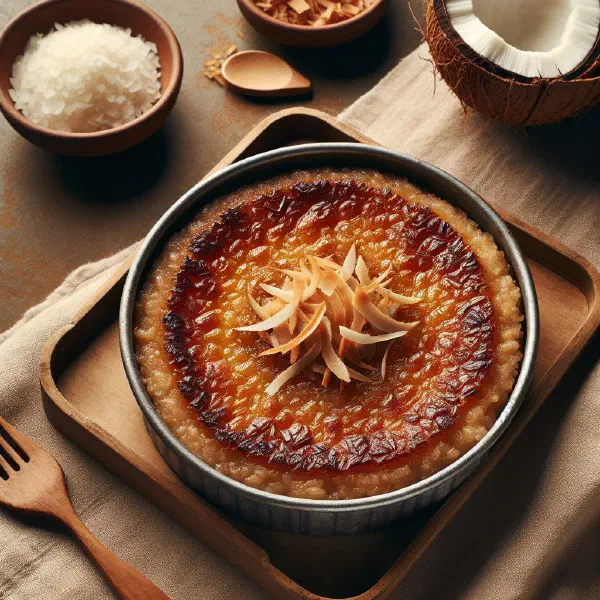
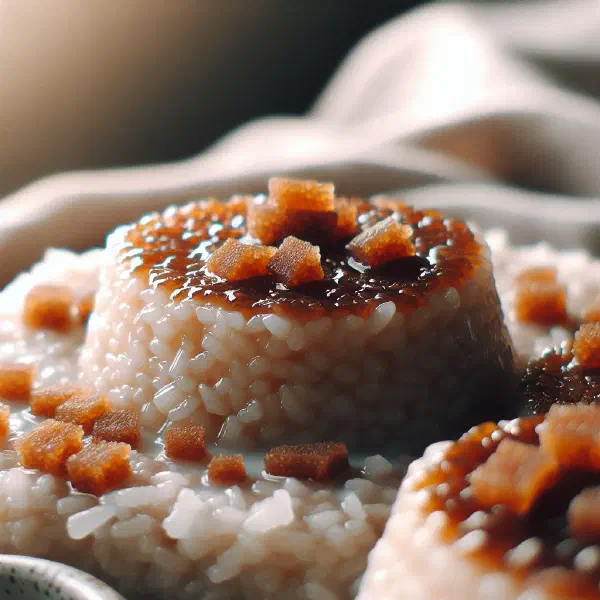
Discover Puto Bumbong, one of the Philippines’ most cherished festive treats. With its striking purple hue and warming aroma of steamed rice, this is a dessert that practically announces the arrival of Christmas. Sold from glowing food stalls outside churches during the early-morning Simbang Gabi masses, it is finished with a generous shower of grated coconut and brown sugar. Bring a little of that holiday magic into your own kitchen with this traditional recipe.
About Puto Bumbong
Puto Bumbong is a traditional Filipino dessert that comes into its own during the Christmas season. Made from glutinous rice and a handful of simple ingredients, it is instantly recognisable by its deep purple colour. Patience is part of the charm here: the rice is steamed slowly inside bamboo tubes until tender and fragrant. Often sold at street markets across the islands, it has become a true symbol of the festive time of year, offering a genuine taste of the rich culture and tradition of the Philippines.
Ingredients (serves 1–2)
- 1 cup glutinous rice
- 1/2 cup purple glutinous rice
- 1 cup coconut milk
- 1/4 cup brown sugar
- 1/4 cup grated coconut
- 1 pinch of salt
- Banana leaves, for wrapping
Shopping for the ingredients
Both glutinous rice and purple glutinous rice can sometimes be tricky to track down, so it is worth looking ahead and ordering them from an Asian grocery or online. Keep an eye out for fresh banana leaves too, as they play a big part in both the flavour and the presentation of the dish. Much like the leaf-wrapped Suman, the wrapping is far from an afterthought.
Preparing the dish
Before you start cooking Puto Bumbong, soak the glutinous rice and purple glutinous rice overnight. This softens the grains and helps to deepen and intensify the colours. A steamer is your best friend here, keeping the texture just right as the rice cooks through. It is also worth preparing the grated coconut in advance by toasting it lightly, which brings out its flavour beautifully.
Step-by-step instructions
- Rinse the glutinous rice and purple glutinous rice thoroughly once they have finished soaking.
- Combine both kinds of rice in a bowl with the coconut milk, brown sugar and a pinch of salt.
- Once the mixture is well blended, spoon it into the prepared banana leaves.
- Steam the wrapped portions for around 20–30 minutes.
- After steaming, finish the Puto Bumbong with toasted grated coconut and a little extra brown sugar.
Gluten-free / lactose-free version
Puto Bumbong lends itself wonderfully to allergy-friendly tweaks. The ingredients are naturally gluten-free, since they are based almost entirely on rice, and despite its name, glutinous rice contains no gluten at all. Using coconut milk also keeps this dessert lactose-free, making it ideal for anyone with a lactose intolerance. Just double-check that the sugar and grated coconut are likewise free from gluten.
Tips for vegans and vegetarians
Puto Bumbong is a brilliant vegan option, as every ingredient used is plant-based. Make sure the brown sugar contains no animal products, which is usually the case. For extra depth of flavour you could swap in coconut blossom sugar in place of the brown sugar. Choosing fresh grated coconut, as in the popular Buko Pandan, also keeps your dish bright and full of flavour.
More tips and tricks
To get the best results from your Puto Bumbong, reach for high-quality ingredients. The glutinous rice in particular should be fresh and of good quality, as it has a real impact on both the taste and texture of the finished dessert. It can also help to blanch the banana leaves briefly so they become more pliable and easier to fold. If you want an especially light, fluffy result, try steaming the mixture for a touch longer.
Adapting the recipe to your taste
Puto Bumbong is easy to tailor to different palates. You might add fresh fruit or nuts to give the dessert a personal twist, or stir in a pinch of cinnamon or a few drops of vanilla extract for an intriguing new dimension of flavour. Play around with the quantities of the ingredients until you find the balance that is just right for you.
Ingredient substitutions
Sometimes a particular ingredient simply is not available. In that case you can use rice flour in place of the glutinous rice, though the texture and taste will change as a result. For a different flavour profile, you could also swap the coconut milk for almond milk or another plant-based milk, the same kind of swap that works nicely in a creamy Maja Blanca. Substitutions like these are easy to make and still deliver a delicious dessert.
Drink pairing ideas
Puto Bumbong is a delicious dessert and pairs beautifully with a range of drinks. A classic Filipino coffee or a freshly brewed tea complements the sweetness of the dessert wonderfully. Beyond that, fruity cocktails or freshly pressed juices make a refreshing accompaniment. If you fancy something a little more unusual, try a coconut-based smoothie alongside it.
Serving and presentation ideas
Presentation makes a real difference to the whole Puto Bumbong experience. Serve the dessert on a pretty plate and garnish it with extra toasted grated coconut and a drizzle of chocolate sauce. A few fresh mint leaves add a lively splash of colour. An attractive presentation makes the dessert even more enjoyable and is guaranteed to impress your guests, much as a beautifully layered Halo Halo does.
A bit of history
Puto Bumbong has a long tradition in Filipino culture and is closely tied to the Christmas celebrations. The dish conjures up images of busy markets and the delicious scent of freshly steamed treats. Historically, it was prepared by farmers to celebrate the bounty of the harvest. Today it remains a symbol of the Filipino way of life and of warm hospitality, a treat that has won the hearts of many, and a proud part of Philippine cuisine.
More recipe ideas
Summary: Puto Bumbong
Puto Bumbong is a wonderful Filipino dessert that is as delicious as it is culturally significant. With its unique method of preparation and its simple, natural ingredients, it offers a genuine treat for the palate and a way to experience the traditions of the Philippines. Whether for festive occasions or simply as an everyday indulgence, this dish brings joy time and again. Let its aromas and presentation inspire you, and savour this culinary experience to the full.