National Dish Philippines: Puto Calasiao (Recipe)
In this article
Say hello to Puto Calasiao, the dainty little steamed rice cakes that have made the town of Calasiao famous across the Philippines. Soft, springy and gently sweet, these bite-sized treats are a fixture at fiestas and family gatherings, yet they are humble enough to enjoy with a quiet afternoon cup of coffee. Made from just a handful of pantry staples and a steamer, they are wonderfully simple to put together and almost impossible to stop eating once you start.
About Puto Calasiao
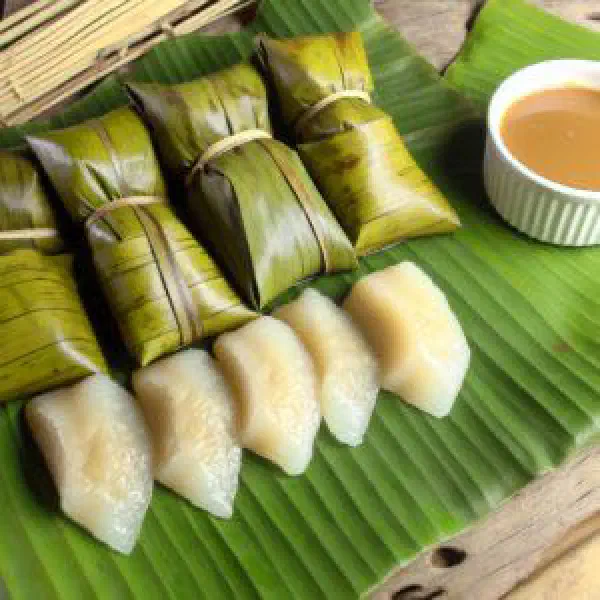
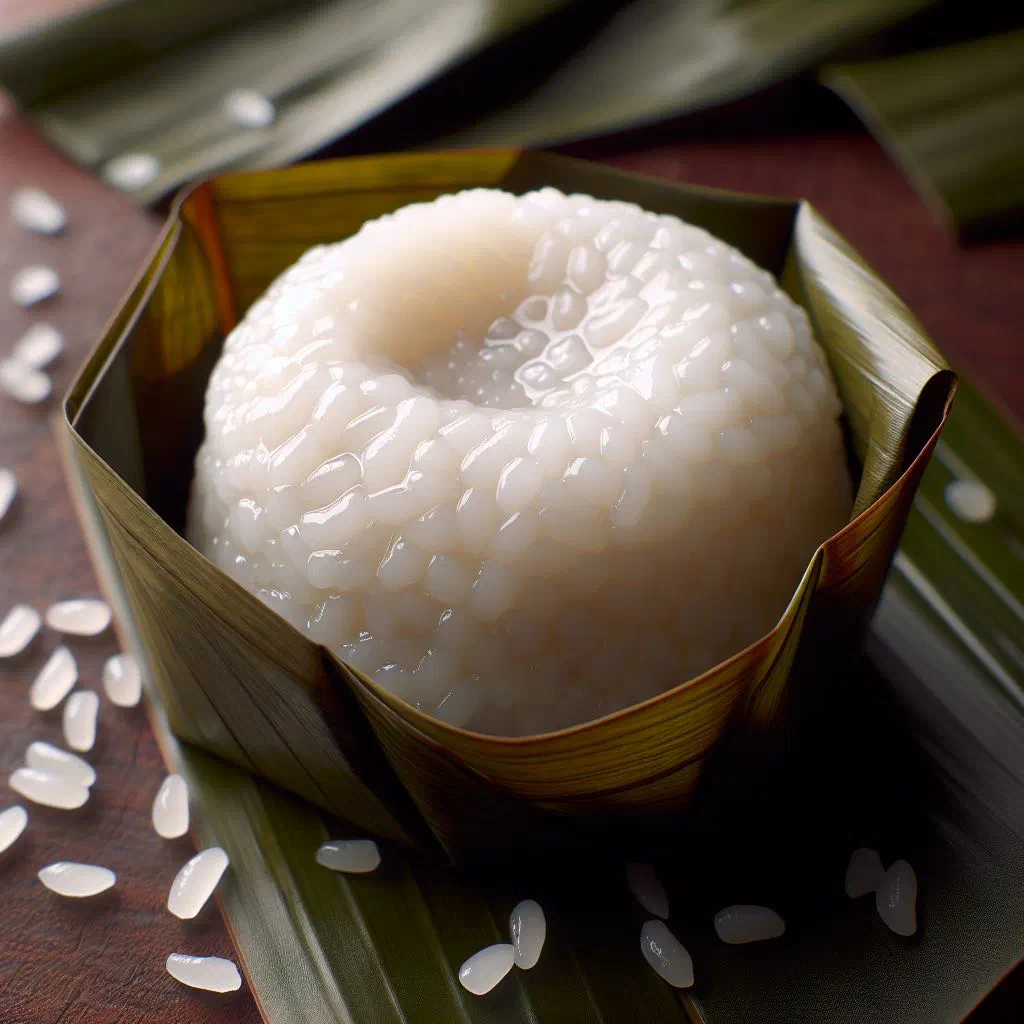
Puto Calasiao are traditional Filipino rice cakes that take their name from the town of Calasiao in Pangasinan, where they have been made for generations. These little morsels are celebrated for their tender, springy texture and their lightly sweet flavour, which makes them a much-loved snack. They are often served at festive occasions or simply enjoyed as a treat between meals. Their enduring popularity comes from their delicious taste and from how easy they are to make, putting a perfect batch within reach even of less experienced cooks. They belong to the wider family of Filipino kakanin, the steamed rice-based delicacies that run right through Philippine cuisine.
Ingredients (serves 1–2)
- 1 cup rice flour
- 1/2 cup sugar
- 1 cup coconut milk
- 1/2 cup water
- 1 teaspoon baking powder
- A pinch of salt
- Banana or cheese for filling (optional)
Shopping for the ingredients
The ingredients for puto calasiao are easy to find in Asian grocery shops or well-stocked supermarkets. Be sure to use good-quality rice flour and fresh coconut milk, as these have a real bearing on how the finished cakes turn out. Sugar matters too; for traditional puto calasiao, ordinary white sugar is usually the choice. If you would rather use other ingredients, such as plant-based alternatives, just bear in mind that this can change the flavour. Like the rice flour base behind Kutsinta, the simplest pantry staples are what give these cakes their character.
Preparing the dish
Before you start cooking, it helps to have all your ingredients within easy reach. Setting up a clean, well-organised work surface can make the whole process noticeably smoother. Check too that you have suitable containers for steaming the rice cakes, such as small moulds or little dishes. This makes sure the cooking goes without a hitch and that your puto calasiao steam evenly.
Step-by-step instructions
- In a large bowl, mix the rice flour, sugar, baking powder and salt together thoroughly.
- Add the coconut milk and the water and stir until you have a smooth batter.
- If you like, dice some banana or cheese into small pieces and fold them into the batter.
- Spoon the batter into the prepared steaming moulds and place them in a steamer.
- Steam the puto calasiao for around 20–25 minutes, until firm and cooked through.
- Once steamed, let them cool briefly, then carefully turn the rice cakes out of their moulds.
Gluten-free / lactose-free version
For anyone with a gluten intolerance, puto calasiao is an excellent choice, as the recipe relies solely on rice flour. On top of that, coconut milk is naturally lactose-free, which makes these little cakes an ideal snack for those who are lactose intolerant. Do take care to check your ingredients for purity, though, to be sure no gluten- or lactose-containing additives have crept in. By sticking to natural, unprocessed ingredients you can enjoy a wholesome, tasty version of this traditional treat.
Tips for vegans and vegetarians
Puto calasiao is vegan by nature, since it contains no animal products at all. The recipe adapts easily to suit different tastes. You might use plant-based milk, for example, to vary the flavour or add a little more nourishment. To make puto calasiao even more delicious, experiment with different aromas such as vanilla or coconut extract for an extra layer of flavour.
More tips and tricks
One important tip is to get your steamer ready properly. Make sure there is enough water in it so it does not boil dry during cooking. To achieve the perfect texture, you can vary the steaming time slightly depending on the size of your moulds or dishes. Playing with the timing is key to creating puto calasiao that are both fluffy and moist. Enjoy the chance to experiment with different fillings, too, to tailor the cakes to your own taste, much as you would with a batch of Palitaw.
Adapting the recipe to your taste
The lovely thing about puto calasiao is just how versatile the recipe is. You can adapt it to your own preferences by swapping ingredients in or out. Instead of sugar, for instance, you could use natural sweeteners such as agave syrup or honey. Adding fresh fruit or nuts can lend the cakes an interesting texture and make them more substantial too.
Ingredient substitutions
If you have no coconut milk to hand, you can replace it with other plant-based milks, such as almond or soy. These may shift the flavour a little, but they make for a pleasant change. For a less sweet version, reduce the sugar or experiment with sugar alternatives such as stevia. You can also try different kinds of rice flour, like glutinous rice powder, to achieve different flavours and textures, just as the chewier cousins Pichi Pichi and Sapin Sapin do.
Drink pairing ideas
Puto calasiao is a good snack that pairs beautifully with all sorts of drinks. Traditionally it is often served with coffee or black tea to balance its sweetness. For a fruitier option, try freshly pressed juice or cocktails made with coconut water. The contrast between the flavours can lift the whole experience and make a lovely accompaniment to this special little treat.
Serving and presentation ideas
A pretty arrangement can do wonders for the enjoyment of puto calasiao. Serve the rice cakes on a large, decorative plate to show them off attractively. Pair the treats with fresh fruit slices or mint leaves for a welcome splash of colour. A creative way of plating and an inviting choice of dish give puto calasiao a special, festive character and turn them into a real highlight at any celebration.
A bit of history
Puto calasiao has a long tradition in Filipino cooking and is closely bound up with the country’s cultural celebrations. Originally from the town of Calasiao in the province of Pangasinan, it is often sold there in the markets and served on special occasions. The dish stands for hospitality and festivity, and it reflects the rich culinary heritage of the Philippines. Its popularity owes as much to the nostalgic memories it stirs as to its taste, in the same heartfelt tradition that surrounds Leche Flan.
More recipe ideas
Summary: Puto Calasiao
Puto calasiao is a tasty and versatile dish from the Philippine kitchen, equally at home at a fiesta and as an everyday treat. With just a few ingredients and a simple method, you can easily make these little delicacies yourself. Because the recipe is so adaptable, you can get creative and bring your own preferences to the table. Enjoy these dainty cakes and share them with friends and family. They are sure to love them.